Boost Agri-Food: Agroecology & Organic Farming's Role
By CORDIS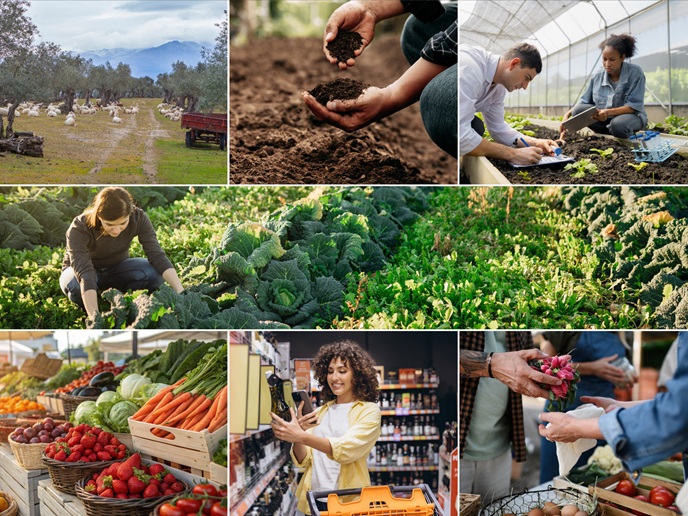
PermaNews Brief
Key Takeaways
Agroecology and organic farming offer vital pathways to sustainable agriculture, enhancing biodiversity and climate resilience while reducing chemical reliance.
- Agroecology and organic farming boost farm circularity and diversification.
- These methods enhance soil health and reduce reliance on chemical inputs.
- The EU launched a partnership to drive sustainable farming transitions.
- Policy and research initiatives support farmers in adopting these practices.
Why It Matters
Embracing agroecology and organic farming directly contributes to a healthier planet and more resilient food systems for everyone.
What to Do Next
Explore local workshops or online resources on agroecological practices applicable to your farm or garden.
Recommended for: Farmers, gardeners, and policymakers interested in transitioning to sustainable and resilient food systems.
This article discusses agroecology and organic farming as holistic, ecological approaches to sustainable agriculture that complement regenerative agriculture principles. It explains how these methods increase farm circularity, diversification, and resilience, supporting climate adaptation and sustainability goals. The article highlights the European Union's AGROECOLOGY Partnership launched in 2024, aimed at driving sustainable farming transitions across Europe. It emphasizes the role of agroecology and organic farming in enhancing soil health, reducing chemical inputs, and promoting biodiversity. The article also covers policy and research initiatives that support farmers in adopting these practices, contributing to a more sustainable and climate-resilient agri-food system.
Source: cordis.europa.eu
Related Analysis
- High-Salt Fertilizers Block Soil Microbes, Kempf Says — High-salt fertilizers disrupt soil microbes and microbial colonization, trapping farmers in chemical dependency. Biologi…
- Fertilizer Shortage Forces Reckoning on Nitrogen Sources — Fertilizer supply crisis drives farms toward nitrogen-fixing cover crops, compost, and legume rotations as alternatives.
Related on PermaNews
- Ernst Götsch's Cacao Syntropy: Master Agroforestry Now (How-To Guide)
- Designing Regenerative Resilience: Participatory Living Labs (How-To Guide)
- Lo—TEK: Indigenous Tech for Climate Solutions (Article)
- Nakivale's Regenerative Toilets: Refugee Resilience, Circular Sanitation (Case Study)
- Pippin Home Designs: Regenerative Home Design Explained (How-To Guide)
- Borneo's Rainforest Revival: Dr. Smits' Sugar Palm Village Hub (Case Study)
Explore more in Food Systems & Growing — the full hub for this knowledge area.