Manda Scott on Regenerative Farming & Soil Health
By Permaculture Magazine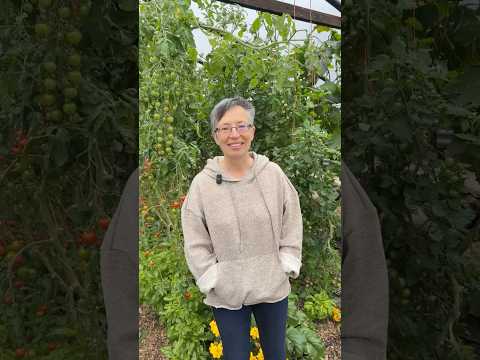
PermaNews Brief
Key Takeaways
Regenerative agriculture improves ecosystem health by focusing on soil restoration through practices like no-till, cover cropping, and managed grazing.
- Shift perspective to work with nature.
- Restore soil health with diverse practices.
- Minimize soil disturbance; use no-till.
- Maintain continuous living roots.
- Integrate livestock for nutrient cycling.
- Enhance microbial diversity and soil structure.
Why It Matters
Regenerative farming offers a path to address pressing environmental issues while building more resilient and productive agricultural systems.
What to Do Next
Explore how no-till or reduced-till practices could be implemented in your own growing space.
Recommended for: Anyone interested in understanding the foundational principles of regenerative agriculture and its benefits for environmental health.
The concept of regenerative agriculture is gaining increasing attention as a method for addressing critical environmental and agricultural challenges. This approach moves beyond simply sustaining current practices to actively improving the health of ecosystems, particularly soil. A key figure in advocating for and explaining these principles is Manda Scott, who emphasizes that regenerative farming is not merely a set of techniques but a fundamental shift in perspective towards working with nature rather than against it.
At its core, regenerative agriculture prioritizes the restoration of soil health. This is achieved through practices that enhance the soil's organic matter content, microbial diversity, and overall structure. Unlike conventional farming, which often relies on synthetic inputs and disruptive tillage, regenerative methods focus on building living soil. This includes minimizing soil disturbance, such as reducing or eliminating plowing, which can disrupt soil aggregates and release carbon. Instead, no-till or reduced-till practices are encouraged, allowing soil organisms to thrive and build stable soil structures.
Another crucial aspect is maintaining continuous living roots in the soil. This can be accomplished through cover cropping, which involves planting non-cash crops between main growing seasons. Cover crops protect the soil from erosion, suppress weeds, and, most importantly, feed the soil microbiome through their root exudates. These exudates are vital for nourishing beneficial bacteria and fungi, which in turn make nutrients available to plants and improve soil structure. Integrating diverse plant species, both in cover crops and main crops, further enhances biodiversity above and below ground, creating a more resilient ecosystem.
The integration of livestock is also a significant component of many regenerative systems. When managed appropriately, grazing animals can play a vital role in nutrient cycling and soil health. Rotational grazing, where animals are moved frequently to fresh pastures, mimics natural grazing patterns. This prevents overgrazing, allows plants to recover, and distributes manure evenly, enriching the soil with organic matter and beneficial microbes. The hoof action of animals can also help to break up soil compaction and incorporate plant residues.
Manda Scott highlights that the benefits of regenerative agriculture extend far beyond increased crop yields. Healthy soil acts as a carbon sink, sequestering atmospheric carbon dioxide and mitigating climate change. By improving water infiltration and retention, regenerative practices make farms more resilient to droughts and floods, reducing the need for irrigation and minimizing runoff. The enhanced biodiversity supports a wider range of beneficial insects and wildlife, leading to natural pest control and a more balanced ecosystem. Furthermore, food produced on healthy, living soil is often more nutrient-dense, contributing to improved human health.
The transition to regenerative agriculture requires a shift in mindset for farmers. It involves observing natural processes, understanding the interconnectedness of the farm ecosystem, and adapting practices to specific local conditions. It's not a one-size-fits-all solution but a framework of principles that can be applied in various contexts. Education and knowledge sharing are crucial for empowering farmers to adopt these practices and for consumers to understand the value of regeneratively produced food.
Ultimately, Manda Scott's perspective underscores that regenerative farming is a holistic approach that seeks to heal the land, produce nutritious food, and build resilient communities. It represents a hopeful path forward for agriculture, offering solutions to some of the most pressing environmental and social challenges of our time by working in harmony with the natural world.
Source: youtube.com
Related Analysis
- High-Salt Fertilizers Block Soil Microbes, Kempf Says — High-salt fertilizers disrupt soil microbes and microbial colonization, trapping farmers in chemical dependency. Biologi…
- Fertilizer Shortage Forces Reckoning on Nitrogen Sources — Fertilizer supply crisis drives farms toward nitrogen-fixing cover crops, compost, and legume rotations as alternatives.
Related on PermaNews
- Ernst Götsch's Cacao Syntropy: Master Agroforestry Now (How-To Guide)
- Designing Regenerative Resilience: Participatory Living Labs (How-To Guide)
- Lo—TEK: Indigenous Tech for Climate Solutions (Article)
- Nakivale's Regenerative Toilets: Refugee Resilience, Circular Sanitation (Case Study)
- Pippin Home Designs: Regenerative Home Design Explained (How-To Guide)
- Federal Policy Shift: Native Regenerative Ag for Soil & Carbon (Article)
Explore more in Food Systems & Growing — the full hub for this knowledge area.