Kenya's icipe Harnesses Insects to Cut Synthetic Farming Inputs
By Andrew Cottle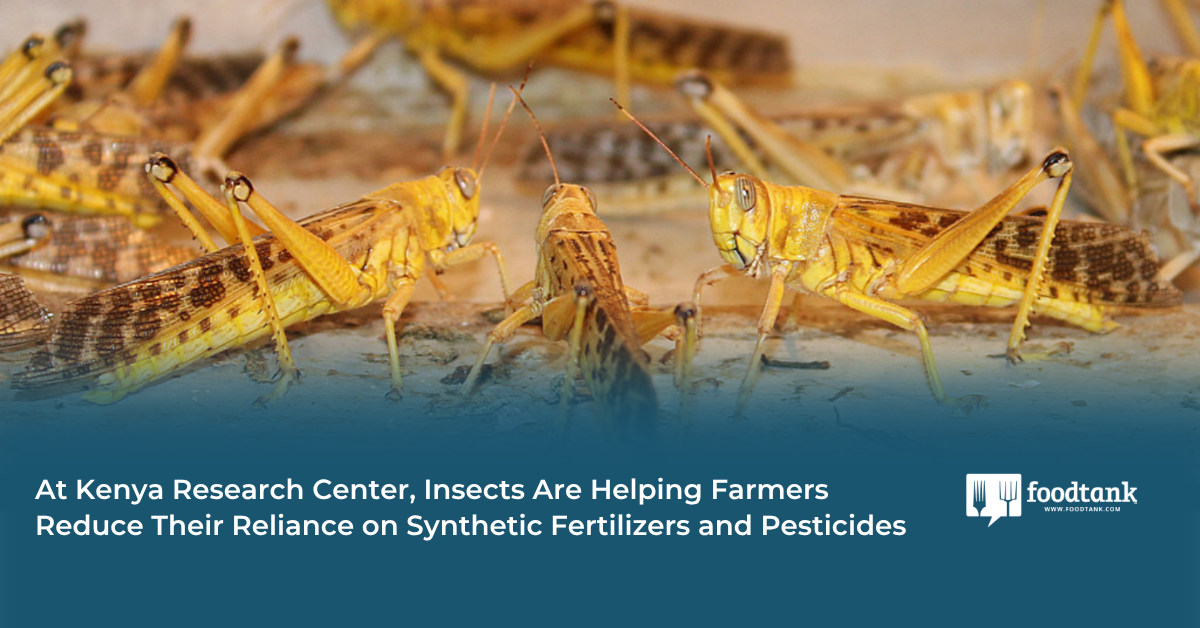
PermaNews Brief
Key Takeaways
Researchers in Kenya harness insects to promote sustainable farming practices.
- Insects enhance soil health and fertility.
- Natural pest control reduces chemical dependency.
- Support local ecosystems to elevate food security.
- Farmers benefit from sustainable agricultural practices.
- Nature-based solutions optimize crop yields.
Why It Matters
This approach not only lowers costs for farmers but also boosts resilience in food systems, promoting healthier ecosystems.
What to Do Next
Explore local resources on integrating beneficial insects into farming.
Permaculture Context
The work coming out of icipe is a meaningful signal that institutional science is finally catching up to what permaculture designers have understood for decades: insects are not problems to be managed, they are infrastructure. For practitioners building regenerative systems, this research carries a practical implication worth sitting with — the more your design supports insect habitat through polycultures, cover crops, and reduced tillage, the less external input your system ultimately requires. This is the compounding logic of ecological design, and it runs in the opposite direction from conventional agriculture's input dependency spiral. What makes this moment particularly significant is that these findings are emerging from a smallholder farming context in Kenya, which means the solutions being validated are inherently low-cost, locally adapted, and scalable without industrial supply chains. If you are designing a homestead, a market garden, or a community food system, this research strengthens the case for prioritizing insect ecology as a foundational design layer — not a secondary consideration. Healthy insect communities are not a byproduct of good land stewardship; they are a measure of it.
Recommended for: Farmers and agricultural innovators seeking sustainable solutions.
Scientists at icipe are using insects and nature-based solutions to help farmers grow food more sustainably and strengthen local food systems.
The post At a Kenya Research Center, Insects Are Helping Farmers Reduce Their Reliance on Synthetic Fertilizers and Pesticides appeared first on Food Tank.
Source: foodtank.com
Related Analysis
- High-Salt Fertilizers Block Soil Microbes, Kempf Says — High-salt fertilizers disrupt soil microbes and microbial colonization, trapping farmers in chemical dependency. Biologi…
- Global Water Bankruptcy Forces Agricultural Adaptation — UN report reveals water bankruptcy across surface waters, glaciers, and groundwater, forcing immediate agricultural adap…
- Fertilizer Shortage Forces Reckoning on Nitrogen Sources — Fertilizer supply crisis drives farms toward nitrogen-fixing cover crops, compost, and legume rotations as alternatives.
Related on PermaNews
- Ernst Götsch's Cacao Syntropy: Master Agroforestry Now (How-To Guide)
- Designing Regenerative Resilience: Participatory Living Labs (How-To Guide)
- Lo—TEK: Indigenous Tech for Climate Solutions (Article)
- Nakivale's Regenerative Toilets: Refugee Resilience, Circular Sanitation (Case Study)
- Pippin Home Designs: Regenerative Home Design Explained (How-To Guide)
- Federal Policy Shift: Native Regenerative Ag for Soil & Carbon (Article)
Explore more in Food Systems & Growing — the full hub for this knowledge area.