Grow Perfect Parsley: Easy, Error-Free Cultivation
By Permaculture facile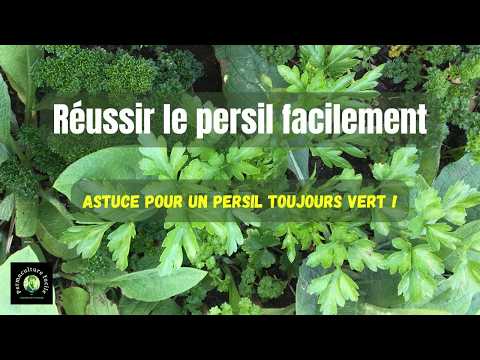
TL;DR: Cultivating parsley successfully requires attention to soil, moisture, and location to overcome its slow germination and transplant sensitivity.
- Prepare rich, well-drained soil with organic matter.
- Soak seeds in warm water to accelerate germination.
- Maintain consistent moisture, avoiding waterlogging.
- Provide partial shade, especially in hot climates.
- Thin seedlings for optimal spacing and airflow.
Why it matters: Proper parsley cultivation ensures a continuous supply of this versatile, nutrient-rich herb for culinary and medicinal uses, enhancing garden productivity and biodiversity.
Do this next: Incorporate compost into your garden soil before planting parsley to improve fertility and structure.
Recommended for: Anyone interested in cultivating fresh parsley at home, from novice gardeners to experienced enthusiasts seeking to optimize their herb patch.
Growing parsley successfully involves understanding its specific needs and implementing straightforward techniques to avoid common pitfalls. This herb, a staple in many cuisines, thrives with proper attention to its environment and care routine.
One of the initial considerations is the choice between direct sowing and transplanting. While parsley can be started indoors and then moved, direct sowing into the garden is often preferred as it minimizes transplant shock, which parsley can be sensitive to. When sowing directly, it's crucial to prepare the soil adequately. Parsley prefers rich, well-drained soil with a slightly acidic to neutral pH. Incorporating compost or other organic matter before planting will significantly improve soil structure and fertility, providing the necessary nutrients for robust growth.
Germination can be a slow process for parsley, sometimes taking several weeks. To expedite this, some gardeners soak the seeds in warm water overnight before planting. This softens the seed coat and encourages quicker sprouting. Once planted, maintaining consistent moisture is key. The soil should be kept continuously damp but not waterlogged, as excessive moisture can lead to fungal diseases and root rot.
Location is another critical factor. Parsley performs best in a spot that receives partial shade, especially in hotter climates. While it can tolerate full sun, intense afternoon sun can scorch its delicate leaves and cause it to bolt prematurely, meaning it will go to seed rather than producing abundant foliage. In cooler regions, a sunnier spot might be more appropriate. Protection from strong winds is also beneficial, as it can damage the plants.
Once the seedlings emerge, thinning them out is an important step to ensure adequate spacing and air circulation. Overcrowding can lead to competition for resources and increased susceptibility to diseases. Aim for plants to be spaced several inches apart.
Watering practices should be consistent throughout the growing season. Deep watering is more effective than frequent shallow watering, as it encourages the roots to grow deeper, making the plant more resilient to dry spells. However, it's important to avoid overhead watering, which can promote fungal issues on the leaves. Drip irrigation or watering at the base of the plant is ideal.
Fertilization can be beneficial, especially if the soil is not particularly rich. A balanced organic fertilizer can be applied periodically, but over-fertilization should be avoided, as it can lead to excessive leafy growth at the expense of flavor. Compost tea or a diluted liquid seaweed solution can also provide a gentle nutrient boost.
Pest and disease management for parsley generally involves preventative measures. Healthy plants are more resistant to problems. Common pests include aphids and spider mites, which can be managed with organic insecticidal soaps or by encouraging beneficial insects. Fungal diseases like damping-off or leaf spot are often a result of poor air circulation or excessive moisture. Ensuring proper spacing and avoiding overhead watering can help prevent these issues.
Harvesting parsley correctly encourages further growth. It's best to harvest the outer leaves first, cutting them at the base of the stem. This allows the inner leaves to continue developing. Regular harvesting also prevents the plant from bolting too early. If the plant does start to flower, the flavor of the leaves can become more bitter, and the plant's energy will be directed towards seed production.
For continuous supply, successive planting every few weeks can be practiced. This ensures a fresh harvest throughout the growing season. In colder climates, parsley can be grown as an annual, but in milder regions, it might overwinter and provide a second year of harvest before eventually going to seed. Protecting overwintering plants with mulch can help them survive colder temperatures.
By following these guidelines, gardeners can successfully cultivate parsley, enjoying a consistent supply of this flavorful herb for culinary use. The key lies in understanding its specific environmental preferences and providing consistent, thoughtful care from seed to harvest.
Source: youtube.com
Related Analysis
- Farmers Convert Six Weeks of Rhubarb Into 25-Year Supply — Initial signals suggest a rhubarb preservation technique can extend a brief seasonal harvest into 25 years of storage—a …
- Compost Builds Soil Microbiomes—But Human Waste Divides Practitioners — A small but consistent set of signals indicates composting's soil benefits are well-documented, while human-waste compos…
Related on PermaNews
- Mint: Your Essential Permaculture Growing Guide (How-To Guide)
- Top Herbs for Container Gardens: Urban & Culinary Picks (Article)
- Winter Herbs: 7 Cold-Hardy Aromatics & Care Guide (Video)
- 18 Shade-Loving Herbs for Your Low-Light Garden (Article)
- April 2026: Australia's Permaculture Gardening Calendars (Article)
- Crafting Spring Herbal Vinegars: A Guide to Seasonal Preservation (Article)
Explore more in Food Systems & Growing — the full hub for this knowledge area.