Top Herbs for Container Gardens: Urban & Culinary Picks
By Urban Farmer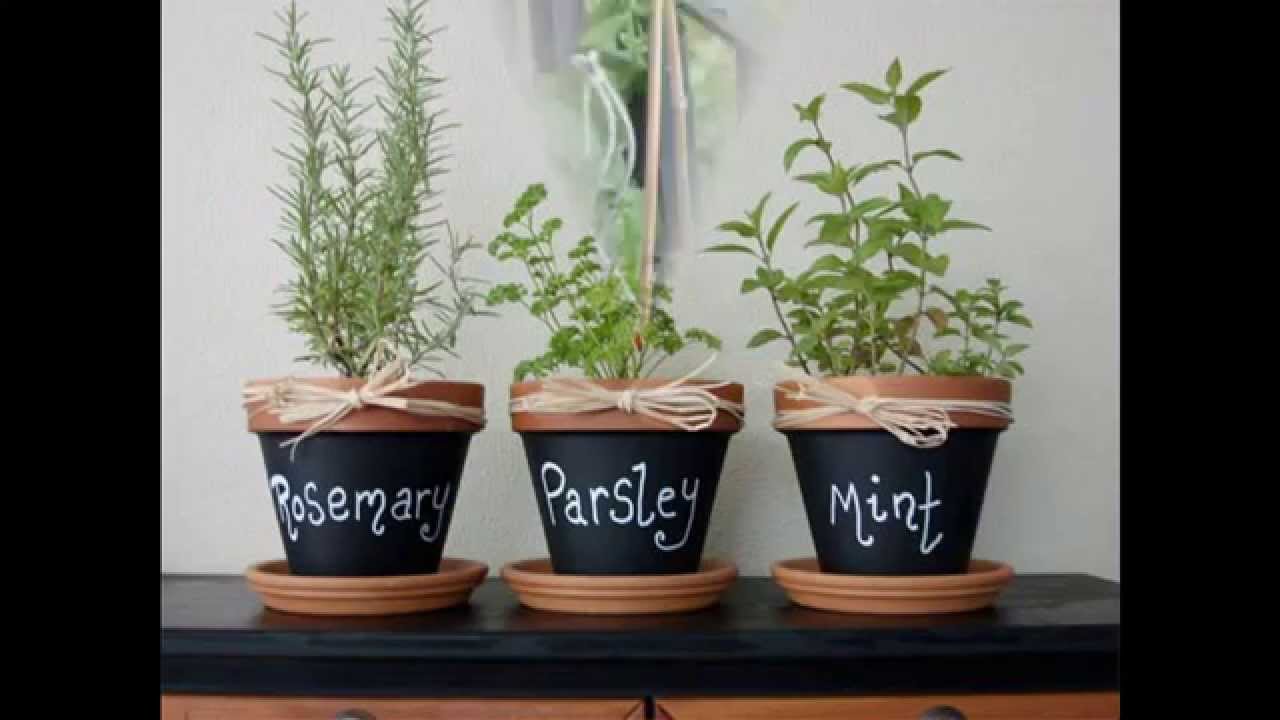
TL;DR: Growing herbs in containers is a practical way to enjoy fresh flavors, especially with limited garden space, as many varieties thrive in pots on balconies, patios, or windowsills.
- Container gardening maximizes small spaces for fresh herbs.
- Basil, mint, rosemary, thyme, oregano, and chives are ideal.
- Pruning and proper sunlight are key for healthy growth.
- Mint needs containers to prevent aggressive spreading.
- Mediterranean herbs prefer well-drained soil and sun.
Why it matters: Growing your own herbs offers a sustainable and cost-effective way to enhance your cooking with fresh ingredients, regardless of your living situation.
Do this next: Start with a basil plant in a sunny spot, ensuring consistent moisture for robust growth.
Recommended for: Urban dwellers, beginner gardeners, and anyone looking to enhance their cooking with fresh, homegrown herbs without a large garden.
Container gardening offers a practical solution for individuals who wish to cultivate their own herbs but lack access to traditional garden spaces. This method is particularly well-suited for herbs, as many varieties thrive in confined conditions. A diverse range of herbs can be successfully grown in pots, providing fresh ingredients for culinary use directly from a balcony, patio, or even a windowsill.
Among the most popular and easiest herbs to grow in containers is basil. This aromatic herb, a staple in many cuisines, requires ample sunlight and consistent moisture to flourish. Several basil varieties exist, each with distinct flavor profiles, allowing gardeners to experiment and find their favorites. Another excellent choice is mint, known for its vigorous growth and refreshing aroma. Due to its tendency to spread aggressively, mint is often best contained in pots, preventing it from overtaking other plants in a mixed garden bed. Various mint types, such as peppermint and spearmint, offer different nuances in flavor.
Rosemary, a woody perennial herb, also adapts well to container life. It prefers well-drained soil and plenty of sunshine. While it can grow quite large in ideal conditions, regular pruning helps maintain a manageable size for potted specimens. Thyme, another Mediterranean herb, shares similar preferences for sun and good drainage. Its low-growing habit and small leaves make it an attractive and practical choice for containers, offering a delicate flavor to dishes.
Oregano, a robust herb frequently used in Italian and Greek cooking, is another strong candidate for container cultivation. It is relatively drought-tolerant once established and thrives in sunny locations. Like many herbs, oregano benefits from harvesting, which encourages bushier growth. Chives, with their mild onion-like flavor, are also very easy to grow in pots. They are resilient and can tolerate a range of conditions, producing delicate green shoots that can be snipped as needed.
Parsley, available in both flat-leaf and curly varieties, is a versatile herb that performs well in containers. It prefers consistently moist soil and can tolerate some partial shade, though it will produce more vigorously in full sun. Regular harvesting of the outer leaves encourages continuous production. Cilantro, while sometimes challenging due to its tendency to bolt (go to seed) in warm weather, can also be grown in containers. Success with cilantro often involves planting in cooler months or providing some afternoon shade to prolong its leafy stage.
Beyond these common choices, other herbs like sage, marjoram, and even small varieties of lavender can be successfully grown in pots. Sage, with its distinctive earthy flavor, prefers full sun and well-drained soil. Marjoram, a close relative of oregano, offers a sweeter, milder flavor and thrives in similar conditions. Lavender, while often associated with larger garden spaces, can be grown in containers, particularly the smaller English lavender varieties, providing both culinary and aromatic benefits.
When selecting containers, it's important to choose pots with adequate drainage holes to prevent waterlogging, which can be detrimental to most herbs. The size of the container should also be appropriate for the mature size of the herb, though many herbs can be started in smaller pots and repotted as they grow. Using a good quality potting mix designed for containers will provide the necessary nutrients and aeration for healthy root development. Regular watering, especially during dry periods, and occasional feeding with a balanced liquid fertilizer will help ensure a bountiful harvest from your container herb garden.
Source: urbanfarmonline.com
Related Analysis
- Farmers Convert Six Weeks of Rhubarb Into 25-Year Supply — Initial signals suggest a rhubarb preservation technique can extend a brief seasonal harvest into 25 years of storage—a …
- Compost Builds Soil Microbiomes—But Human Waste Divides Practitioners — A small but consistent set of signals indicates composting's soil benefits are well-documented, while human-waste compos…
Related on PermaNews
- Full Garden Tour For May 2026! GROWING 99% Of Our Fresh Food In Containers (Video)
- Weltbiodiversätstag: Die Bio-Balkon-Bewegung schafft Lebensraum für 🌺🌿🐝🐛🦋🐞🪴 (Video)
- It's Priceless Eating What You Grow. We Grow Food In Containers On The Rocks All Year Round (Video)
- Comment créer un micro jardin-forêt productif ! (Video)
- Grow HUGE Winter Squash in SMALL Spaces! Vertical Gardening Hack #shorts (Video)
- 🍅 Cómo sembrar tomates en maceta correctamente | Guía básica para balcones y terrazas (Video)
Explore more in Food Systems & Growing — the full hub for this knowledge area.