Crafting Spring Herbal Vinegars: A Guide to Seasonal Preservation
By Rozie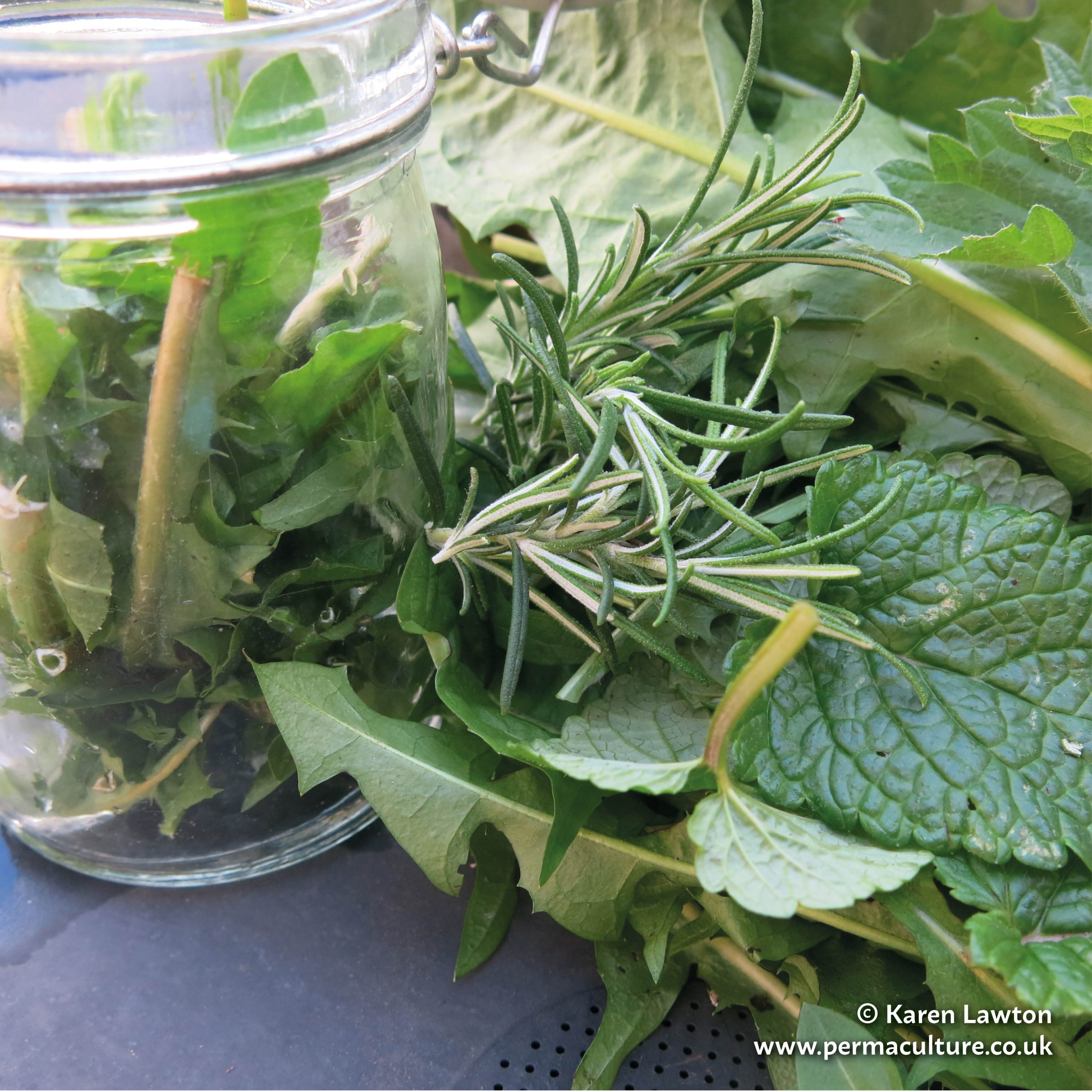
TL;DR: Craft nutritious herbal vinegars from abundant spring plants to capture their flavors and medicinal properties for culinary and health uses.
- Utilize fresh, mineral-rich spring plants for optimal potency.
- Select herbs like dandelion, nettle, chickweed, and violet leaves.
- Chop herbs, fill jar loosely, then cover with apple cider vinegar.
- Steep for several weeks, then strain and store in a cool, dark place.
- Enjoy homemade herbal vinegars in dressings, marinades, or as tonics.
Why it matters: Herbal vinegars offer a simple, cost-effective way to preserve the seasonal goodness of spring herbs, enhancing both your pantry and your well-being with natural remedies and flavors.
Do this next: Gather some fresh spring herbs like dandelion or nettle and a bottle of apple cider vinegar to start your first batch of herbal vinegar today.
Recommended for: Home cooks, foragers, and those interested in natural health remedies seeking to preserve seasonal herbs and enhance their culinary creations.
Springtime marks a period of renewal and abundance in the natural world, offering a wealth of fresh, mineral-rich plant life. This seasonal emergence provides an excellent opportunity to create herbal vinegars, which are not only flavorful additions to culinary preparations but also serve as effective methods for extracting and preserving the beneficial properties of herbs.
Herbal vinegars are simple to make and require only a few basic components: fresh herbs, a suitable vinegar, and a clean jar. The process begins with selecting herbs that are in their prime, typically during the spring when their leaves are young and vibrant. Many common garden and wild plants are suitable for this purpose, each contributing unique flavors and therapeutic qualities. For instance, dandelion leaves, often considered a weed, are packed with vitamins and minerals and impart a slightly bitter, earthy taste. Nettle, another prolific spring plant, is renowned for its high iron content and offers a robust, green flavor. Other excellent choices include chickweed, with its delicate, slightly sweet notes, and violet leaves, which provide a mild, refreshing essence. Culinary herbs like rosemary, thyme, and oregano can also be incorporated for their aromatic profiles and health benefits.
Once the herbs are gathered, they should be thoroughly washed and gently patted dry to remove any dirt or excess moisture. It's important to use only healthy, unblemished plant material. The herbs are then roughly chopped or torn to increase their surface area, which facilitates the extraction of their compounds into the vinegar. These prepared herbs are then placed into a clean, sterilized glass jar, filling it loosely to about two-thirds or three-quarters full.
The choice of vinegar is crucial, as it acts as the solvent that draws out the herbal essences. Apple cider vinegar is a popular and highly recommended option due to its own health benefits and its mild, slightly fruity flavor that complements most herbs. White wine vinegar or rice vinegar can also be used, depending on the desired taste profile and the specific herbs being infused. The vinegar is then poured over the herbs, ensuring that all plant material is completely submerged. This prevents spoilage and mold growth. A non-reactive lid, such as a plastic lid or a metal lid lined with parchment paper, should be used to seal the jar, as vinegar can corrode metal over time.
The jar is then stored in a cool, dark place for a period of two to four weeks. During this time, the vinegar slowly extracts the flavors, aromas, and medicinal compounds from the herbs. It's beneficial to shake the jar gently every few days to agitate the contents and encourage a more thorough infusion. After the infusion period, the herbal vinegar is ready to be strained. This is typically done using a fine-mesh sieve lined with cheesecloth to remove all plant matter, resulting in a clear, infused liquid. The strained vinegar is then transferred to clean bottles, preferably dark-colored ones to protect it from light degradation, and stored in a cool, dark place.
Herbal vinegars have a long shelf life, often lasting for several months or even up to a year, especially if stored properly. They are incredibly versatile in the kitchen. They can be used as a base for salad dressings, adding a vibrant and complex flavor to greens. They can also be incorporated into marinades for meats and vegetables, used to deglaze pans, or even added to soups and stews for an extra layer of taste. Beyond culinary applications, some herbal vinegars are traditionally used for their therapeutic properties, such as a digestive aid or a tonic. The creation of spring herbal vinegars is a simple yet rewarding practice that connects individuals with the seasonal bounty of nature, allowing them to capture and preserve the essence of spring for enjoyment throughout the year.
Source: permaculture.co.uk
Related Analysis
- Farmers Convert Six Weeks of Rhubarb Into 25-Year Supply — Initial signals suggest a rhubarb preservation technique can extend a brief seasonal harvest into 25 years of storage—a …
- Compost Builds Soil Microbiomes—But Human Waste Divides Practitioners — A small but consistent set of signals indicates composting's soil benefits are well-documented, while human-waste compos…
Related on PermaNews
- Permakultur: Fermentation meistern – Rezepte & Feldtests (How-To Guide)
- Krisenapotheke: Fermentierte Hausmittel selbst gemacht (How-To Guide)
- Garden City Harvest: Ferment for Long-Term Food Storage (How-To Guide)
- Top Herbs for Container Gardens: Urban & Culinary Picks (Article)
- Winter Herbs: 7 Cold-Hardy Aromatics & Care Guide (Video)
- Permakultur-Hof: Gemüse & Wildkräuter fermentieren lernen (How-To Guide)
Explore more in Food Systems & Growing — the full hub for this knowledge area.