UK Regenerative Dairy: WWF & NatWest's 5-Farm Case Study
PermaNews Brief
Key Takeaways
Five UK dairy farms demonstrate improved profitability and resilience through regenerative practices, offering a scalable model for sustainable agriculture.
- Regenerative dairy boosts farm profitability and resilience.
- Methods include mob grazing, herbal leys, and less synthetics.
- Lower input costs and premium pricing drive financial gains.
- Enhanced biodiversity strengthens natural pest control.
- Transition plans, carbon calculators, and market access tools available.
Why It Matters
Adopting regenerative dairy farming practices offers a path to economic viability and environmental stewardship for farmers facing climate and market volatility while contributing to national food security and climate goals.
What to Do Next
Explore mob grazing practices and the potential for herbal leys on your farm to reduce synthetic inputs.
Recommended for: Dairy farmers, agricultural consultants, and policymakers interested in sustainable and profitable farming models.
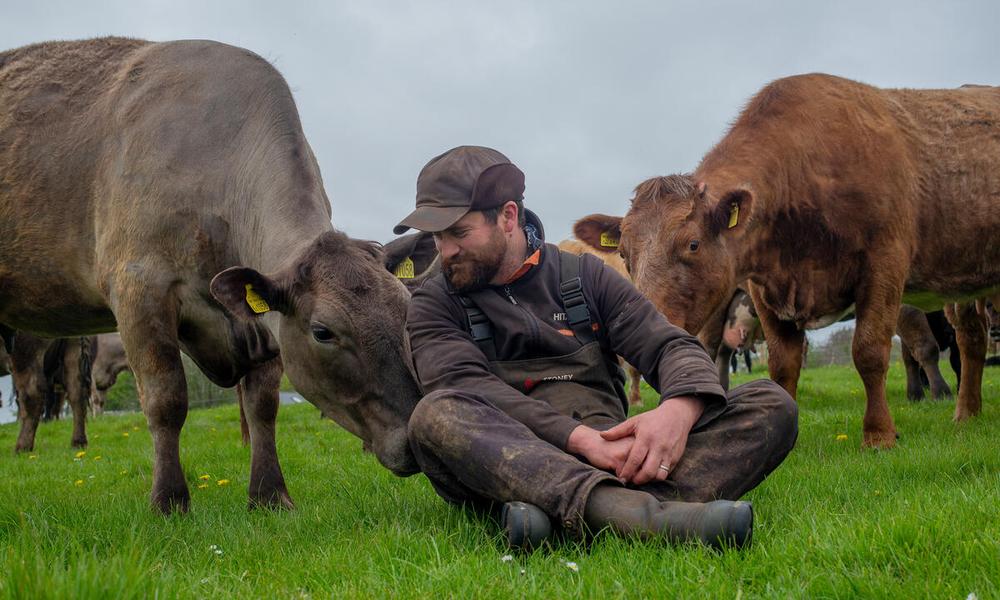
WWF-UK and NatWest's report details the transition to regenerative dairy farming on five UK farms, proving it enhances profitability, resilience to price shocks, extreme weather, and input volatility compared to high-input systems. Case studies highlight farmers' shifts driven by better work-life balance and future-proofing, with practical guides for consultants on financial modeling, government supports in England, Scotland, and Wales, and impacts on carbon and nature. Key methods include mob grazing, herbal leys, reduced synthetic fertilizers, and integrated livestock-crop systems to build soil organic matter, sequester carbon, and improve pasture resilience. Financial analyses show post-transition profitability through lower costs (e.g., 20-30% fertilizer reductions), premium pricing for nature-friendly milk, and diversified income. Resilience is evidenced by stable yields during droughts via enhanced water-holding capacity and biodiversity supporting natural pest control. Documentary films capture personal stories, challenges like initial learning curves, and benefits such as reduced labor intensity and farmer wellbeing. The report identifies supply chain inequities in transition costs and calls for scaled incentives. Practitioners gain concrete tools: step-by-step transition plans, carbon calculators, and market access strategies. For instance, one farm achieved 15% higher net margins by minimizing concentrates and maximizing grazed forage. Broader insights reveal regenerative dairy's role in UK food security, cutting emissions by improving soil health and methane efficiency. This provides field-tested evidence and replicable frameworks for dairy farmers seeking sustainability without sacrificing output.
Source: lunzhub.com
Related Analysis
- High-Salt Fertilizers Block Soil Microbes, Kempf Says — High-salt fertilizers disrupt soil microbes and microbial colonization, trapping farmers in chemical dependency. Biologi…
- Fertilizer Shortage Forces Reckoning on Nitrogen Sources — Fertilizer supply crisis drives farms toward nitrogen-fixing cover crops, compost, and legume rotations as alternatives.
Related on PermaNews
- Ernst Götsch's Cacao Syntropy: Master Agroforestry Now (How-To Guide)
- Designing Regenerative Resilience: Participatory Living Labs (How-To Guide)
- Lo—TEK: Indigenous Tech for Climate Solutions (Article)
- Nakivale's Regenerative Toilets: Refugee Resilience, Circular Sanitation (Case Study)
- Pippin Home Designs: Regenerative Home Design Explained (How-To Guide)
- Federal Policy Shift: Native Regenerative Ag for Soil & Carbon (Article)
Explore more in Food Systems & Growing — the full hub for this knowledge area.