Ear to the Ground 352: Land of the Living
By LSPNow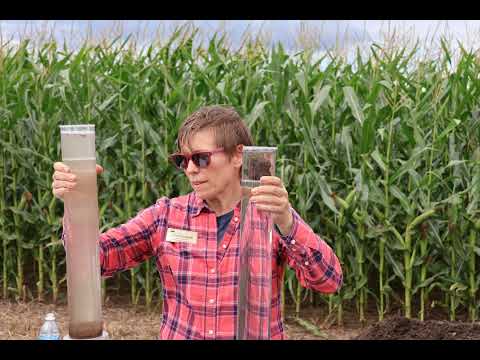
PermaNews Brief
Key Takeaways
Understanding soil as a living ecosystem enhances diagnostic approaches to soil health.
- Healthy soil is a thriving ecosystem.
- Bacteria and fungi are essential soil organisms.
- Insects contribute to soil health interactions.
- Visible indicators show microbial activity.
- Soil health impacts regenerative agriculture practices.
Why It Matters
Recognizing soil health as a biological system aids farmers in effective soil assessment and management, promoting sustainability.
What to Do Next
Consider watching the episode for insights on soil assessment.
Permaculture Context
For permaculture designers and regenerative farmers, the shift McLain is describing is less about learning new information and more about retraining your eyes and hands to read what the land is already telling you. Most conventional soil assessments chase numbers on a lab report, but a practitioner who can crouch down in a field and recognize the smell of geosmin, the presence of hyphal threads binding aggregates together, or the way beetles and earthworms cluster near decomposing organic matter is building a diagnostic muscle that no spreadsheet can replicate. That embodied literacy translates directly into better decisions at every scale, from when to plant a cover crop to whether a compaction problem is mechanical or biological in origin. It also shifts the relationship between practitioner and land from manager to collaborator. For anyone designing a homestead, food forest, or market garden, this means prioritizing observation time as seriously as any physical labor. Soil that is visibly alive is resilient soil, and resilient soil is the foundation beneath every other system you are trying to build.
Recommended for: Farmers and educators interested in soil health.
Ear to the Ground 352: Land of the Living is a long-form video episode featuring soil health expert Stephanie McLain discussing how farmers can learn to identify living, functioning soil in practical ways. The source description indicates that the episode centers on the idea that once farmers begin looking for biological life in the soil, their perspective changes. That theme is more than inspirational; it points to a hands-on diagnostic mindset for evaluating soil health in the field. The episode includes references to LSP’s Soil Health Web Page and the NRCS Soil Health Web Page, which suggests the content is intended to connect viewers to additional technical resources and management guidance.
The transcript excerpt reveals several specific ideas that are useful to practitioners. McLain describes soil as a living, breathing ecosystem built on organisms thriving in the ground. She highlights the importance of bacteria and fungi as workers in the soil, indicating that healthy soil is not just a physical medium but a biological habitat. This matters because it helps producers move from surface-level observation to deeper assessment of soil function. The episode also seems to discuss what visible indicators can suggest healthy microbial activity, and why those indicators are meaningful for regenerative agriculture.
Another practical theme in the excerpt is the role of insects in broader soil health systems. That suggests the episode does not treat soil biology in isolation, but instead links below-ground life with ecological interactions that support regenerative farm management. The podcast is likely useful for farmers, educators, and technical service providers who want to improve their ability to assess soil condition and understand why biological diversity matters. Because it is a structured interview with applied soil health content, the format is video and the signal type is expert-analysis. The source does not list a named author, so the author field is null.
Source: youtube.com
Related Analysis
- Composting Advice Shifts From Chemistry to Microbial Biology — Several sources suggest composting guidance is pivoting from nutrient ratios toward microbial ecology—reframing what "go…
- Does Growing Your Own Food Actually Save Money? The Real Numbers — Most home gardens save money by year two — but only if the right crops are planted. Herbs and salad greens deliver 5–10x…
Related on PermaNews
- Ernst Götsch's Cacao Syntropy: Master Agroforestry Now (How-To Guide)
- Designing Regenerative Resilience: Participatory Living Labs (How-To Guide)
- Lo—TEK: Indigenous Tech for Climate Solutions (Article)
- Nakivale's Regenerative Toilets: Refugee Resilience, Circular Sanitation (Case Study)
- Pippin Home Designs: Regenerative Home Design Explained (How-To Guide)
- Federal Policy Shift: Native Regenerative Ag for Soil & Carbon (Article)
Explore more in Food Systems & Growing — the full hub for this knowledge area.