Henschel Hof: VA Small Acreage Multi-Species Grazing #214
By Grazing Grass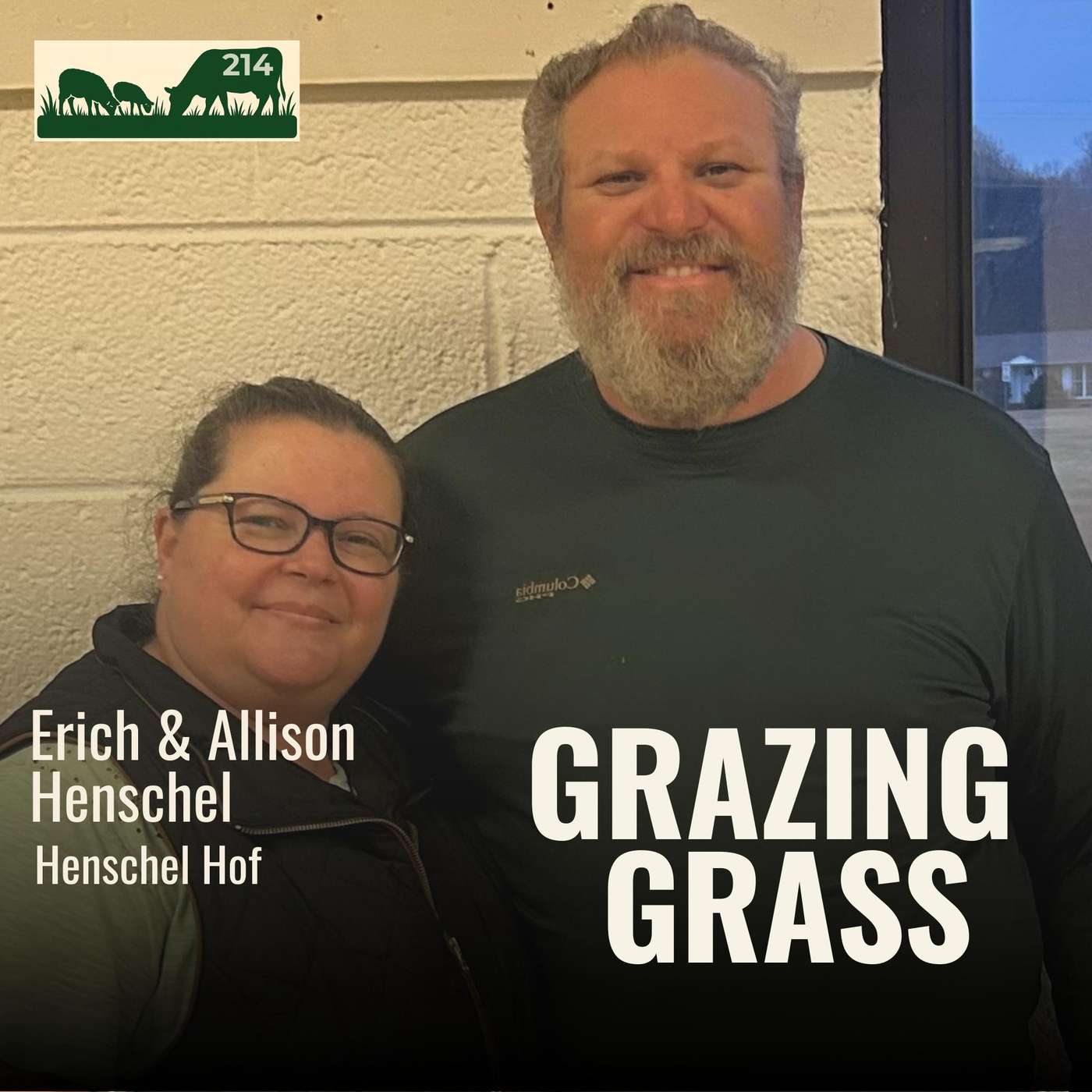
TL;DR: Henschel Hof maximizes learning and production on small Virginia acreage through multi-species grazing with pigs, goats, and cattle, advocating for starting with smaller breeds to accelerate skill development.
- Small livestock accelerates learning on small acreage.
- Multi-species grazing improves pasture health and animal well-being.
- Start imperfectly, adapt and learn continually.
- Smaller breeds minimize risk for new graziers.
- Diverse animals offer complementary grazing habits.
Why it matters: This approach provides a practical model for aspiring farmers to begin livestock integration on limited land, fostering continuous learning and adaptability in permaculture systems.
Do this next: Consider starting with smaller livestock breeds for your initial grazing efforts to ease the learning curve.
Recommended for: New or aspiring graziers with limited land seeking practical, adaptable livestock management strategies.
Erich and Allison Henschel operate Henschel Hof in Virginia, where they implement a multi-species grazing system involving pigs, goats, and cattle on a relatively small land area. Their approach is driven by a desire to maximize learning and experience within a limited footprint.
A core principle of their operation is the suitability of smaller livestock for smaller acreage. They advocate for beginning with smaller breeds, as this allows for a more rapid learning curve in managing grazing animals. The rationale is that smaller animals are generally easier to handle and their impact on the land is less pronounced, providing a more forgiving environment for new graziers to develop their skills and understanding of rotational grazing principles. This strategy minimizes potential risks and allows for adjustments to be made more readily as they gain experience.
The Henschels also emphasize that an operation does not need to be perfect from the outset. They encourage a pragmatic approach, recognizing that learning and adaptation are continuous processes in farming and grazing. This perspective suggests that aspiring graziers should not be deterred by the perceived need for an ideal setup or extensive prior knowledge, but rather embrace the journey of learning through practical application.
Their grazing system likely involves rotational grazing, where different species are moved through pastures in a planned sequence. This method is beneficial for pasture health, animal well-being, and parasite control. Pigs, goats, and cattle each have distinct grazing habits and dietary preferences, and integrating them can lead to more efficient forage utilization and improved pasture diversity. For instance, goats are known for browsing woody vegetation, pigs can root and disturb soil, and cattle are primarily grazers of grasses. This complementary behavior can contribute to a healthier and more resilient pasture ecosystem.
The Henschels' experience provides a case study for individuals interested in small-scale, diversified livestock operations. Their focus on learning, starting small, and accepting imperfection offers valuable insights for those considering a similar path in permaculture or regenerative agriculture, particularly on limited land resources. Their methods demonstrate that productive and educational grazing systems are achievable even without extensive acreage, by carefully selecting livestock and adopting adaptive management strategies.
Source: podcast.grazinggrass.com
Related Analysis
- Farmers Convert Six Weeks of Rhubarb Into 25-Year Supply — Initial signals suggest a rhubarb preservation technique can extend a brief seasonal harvest into 25 years of storage—a …
- Compost Builds Soil Microbiomes—But Human Waste Divides Practitioners — A small but consistent set of signals indicates composting's soil benefits are well-documented, while human-waste compos…
Related on PermaNews
- Agri-PV: BayWa r.e. zeigt Vorteile & Tierhaltung (Article)
- Goat Kidding Prep: Essential Tips for a Healthy Season (Video)
- Hühnerglück: Warum Picken für Hennen so wichtig ist (Video)
- Winter Chickens: Warmth, Food & Water Strategies (Video)
- Raising 2 Pigs: Your Pig Tractor Guide (Video)
- SARE-Funded Iowa Organic Livestock Integration Guide (Case Study)
Explore more in Food Systems & Growing — the full hub for this knowledge area.