Optimize Your Battery Storage: A Guide to Right-Sizing
PermaNews Brief
Key Takeaways
Sizing a battery storage system requires understanding energy needs and load profiles.
- Calculate daily energy use in kilowatt-hours
- Identify highest-demand month for sizing
- Distinguish between whole-home and critical-load backup
- Estimate backup duration based on outage frequency
- Align battery size with inverter requirements
Why It Matters
Correctly sizing your battery storage system enhances energy independence and ensures reliable power during outages.
What to Do Next
Analyze your energy consumption from utility data today.
Permaculture Context
For permaculture designers and homesteaders, battery sizing is ultimately a design problem before it becomes an engineering one — and that sequence matters enormously. The discipline of mapping your actual load profile forces a kind of honest reckoning with consumption that most grid-dependent households never bother to do. When you sit down and identify your critical loads, you are essentially asking: what does this household genuinely need to function, and what is simply convenient? That distinction is foundational to resilience thinking. Practitioners building toward energy sovereignty should treat this sizing process as an annual design review, not a one-time calculation, because seasonal food preservation cycles, greenhouse heating demands, and workshop tool use shift the load profile considerably across the year. The deeper implication is that right-sizing storage around critical loads — rather than whole-home consumption — actively encourages a leaner, more intentional energy footprint over time. A smaller, well-matched system maintained within proper depth-of-discharge limits will outlast an oversized one poorly understood and poorly managed. In regenerative design, longevity and appropriateness always outperform brute scale.
Recommended for: Individuals planning for energy independence or emergency backup.
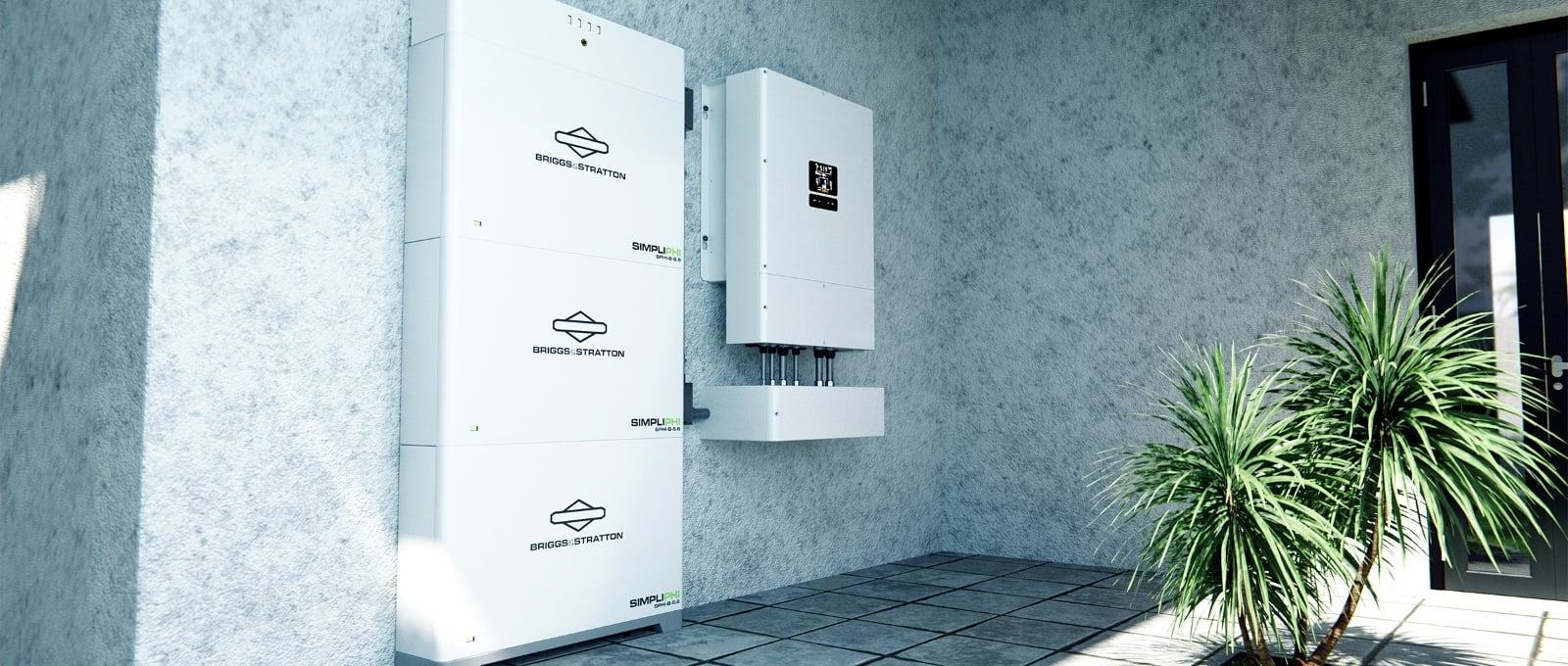
This article gives a practical overview of how to size a battery storage system by starting with the load profile, then matching storage to intended backup duration and inverter requirements. Its first key recommendation is to calculate daily energy consumption in kilowatt-hours from utility data, with an emphasis on identifying the highest-demand month so the system is sized conservatively rather than for an average day. It also distinguishes between whole-home backup and critical-load backup: if the goal is only to power essential loads such as refrigerators and lighting, the user should review appliance manuals and calculate the power required by those loads specifically. That distinction matters because off-grid and resilience-oriented systems often prioritize a smaller critical-load circuit rather than attempting to support the full house. The article further notes that users should estimate how long battery storage must sustain loads based on outage frequency or backup needs, and then apply the battery manufacturer’s depth-of-discharge guidance to protect battery life. It also explicitly ties battery sizing to the inverter, reinforcing that the battery pack must satisfy both energy and power requirements. While the page is commercial and not a case study, it is still actionable because it frames storage sizing around load analysis, critical loads, backup duration, and manufacturer operating limits. For practitioners, the most useful takeaway is the structured sizing logic: determine what must stay on, how long it must stay on, and how deeply the batteries can be cycled without reducing lifetime. That makes it relevant as a general design guide for self-reliance, emergency preparedness, or partial off-grid operation.
Source: energy.briggsandstratton.com
Related Analysis
- Colorado Beekeeper Lost 85% of Hives in 2021 — A Colorado beekeeper lost 85% of his hives in 2021. The sudden collapse raises questions about pesticide exposure in com…
- Bee Colony Losses Rise as Research Funding Declines — US beekeepers mobilize against colony losses and shrinking research budgets. Learn how apiarists are adapting to reduced…
Related on PermaNews
- Ernst Götsch's Cacao Syntropy: Master Agroforestry Now (How-To Guide)
- Finnish Off-Grid: Rocket Mass Heater Performance in Greenhouse (Case Study)
- Berlins schwimmende Gärten: Permakultur auf dem Wasser (Case Study)
- Rodale Report 2025: Thermal Mass Boost in Solar Greenhouses (Case Study)
- AUTarcaMatricultura La Palma: Permakultur & Energieautarkie (How-To Guide)
- Earthaven Ecovillage: 30 Years Off-Grid with Hydro & Solar (Video)
Explore more in Shelter, Energy & Infrastructure — the full hub for this knowledge area.