Unleash Creativity: Permaculture Design's Innovative Core
By Discover Permaculture with Geoff Lawton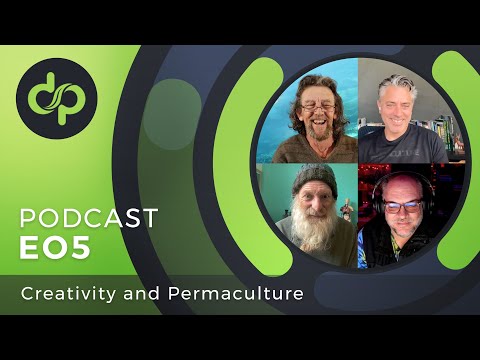
TL;DR: Permaculture is a design science that marries natural observation with innovative thinking to cultivate sustainable and regenerative systems.
- Permaculture fosters creativity through deep understanding of natural systems.
- Observation of nature’s patterns is crucial for innovative permaculture designs.
- Holistic perspective encourages creative problem-solving and multi-functional designs.
- Permaculture design is an iterative process, constantly evolving with feedback.
- Focus on unique, locally-suited solutions rather than replicating models.
Why it matters: Understanding permaculture as a creative discipline enhances its practical application, allowing for more adaptive and effective sustainable land management.
Do this next: Start observing a small patch of nature near you, noting patterns in water, light, and life to inspire your own design thinking.
Recommended for: Anyone interested in permaculture, design thinking, or fostering creativity through a deeper connection with nature.
The podcast episode, "Permaculture and Creativity," explores the fundamental connection between permaculture principles and the creative process, emphasizing how permaculture design inherently fosters and relies upon innovative thinking. The discussion highlights that permaculture is not merely a set of techniques for sustainable land management but a comprehensive design science that encourages individuals to observe, interact, and develop unique solutions tailored to specific environments and challenges.
A central theme is the idea that creativity in permaculture stems from a deep understanding of natural systems. By carefully observing patterns in nature, such as water flow, sunlight exposure, and plant succession, designers can identify opportunities for integration and synergy. This observational phase is presented as a crucial step in the creative journey, as it provides the raw data upon which innovative designs are built. The podcast suggests that true permaculture design moves beyond simply replicating existing models and instead encourages the development of novel approaches that are perfectly suited to the local context.
The speakers delve into how permaculture encourages a holistic perspective, prompting designers to consider the interconnectedness of all elements within a system. This holistic view naturally leads to creative problem-solving, as designers seek to create multi-functional components and beneficial relationships between different parts of the design. For example, instead of viewing a pond solely as a water source, a permaculture designer might creatively integrate it into a system that also provides habitat for beneficial insects, moderates microclimates, and supports edible aquatic plants. This multi-functional approach is presented as a hallmark of creative permaculture design.
The episode also touches upon the iterative nature of permaculture design, likening it to an ongoing creative process. Designs are not static but evolve over time as designers learn from their observations and adapt to changing conditions. This continuous feedback loop encourages experimentation and refinement, fostering a dynamic and creative approach to land stewardship. The willingness to adjust and improve designs based on real-world outcomes is portrayed as a key aspect of permaculture creativity.
Furthermore, the discussion emphasizes the importance of embracing constraints as catalysts for creativity. Rather than viewing limitations like limited space, challenging soil conditions, or extreme weather as obstacles, permaculture encourages designers to see them as opportunities for innovative solutions. By working *with* these constraints rather than against them, designers are often pushed to think outside the box and develop highly efficient and resilient systems. This perspective reframes challenges as prompts for creative ingenuity.
The podcast also highlights the role of collaboration and community in fostering permaculture creativity. Sharing ideas, experiences, and knowledge with others can spark new insights and lead to more robust and innovative designs. The collective intelligence of a community is presented as a powerful resource for creative problem-solving within the permaculture framework.
In essence, the episode posits that permaculture is an inherently creative discipline that demands and cultivates innovative thinking. It encourages individuals to become active participants in shaping their environment, using observation, holistic thinking, iterative design, and a positive embrace of constraints to develop sustainable and regenerative systems. The podcast concludes by reinforcing the idea that permaculture is not just about growing food or managing land, but about fostering a deeper connection to nature and unleashing human ingenuity in service of a more sustainable future.
Source: youtube.com
Related Analysis
- Lo-TEK Institute Challenges Conventional Agriculture with Ancestral Wisdom — Indigenous practices are offering innovative frameworks for regenerative agriculture, emphasizing holistic ecological ap…
- Indigenous Ways Pioneer Regenerative Design Integration — New approaches in regenerative design and permaculture are integrating Indigenous frameworks, moving past Western-centri…
Related on PermaNews
- Nachhaltigkeit neu gedacht: Natur, Mensch, Markt vereint (Article)
- Permaculture Visions: Online Training & Mentorship Since 1993 (How-To Guide)
- Can Good Design Soften Climate Change? (Video)
- Maja Göpel mit Christoph Hein: Geoökonomie NEU DENKEN. (Podcast)
- Permaculture Homes: Why Aren't All Built This Way? (Video)
- Ep. 441 - The Future of Healthcare Might Not Be in Hospitals (Podcast)
Explore more in Community, Policy & Systems Change — the full hub for this knowledge area.