Melbourne's Pollinator Corridor: Garden-by-Garden Greening
By Morag Gamble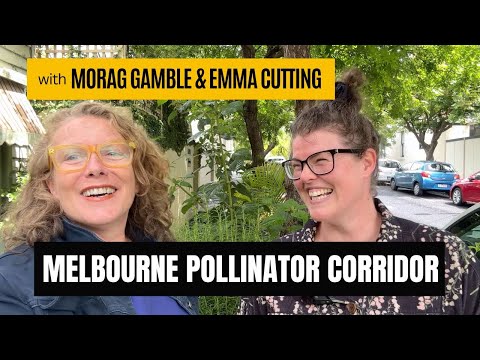
TL;DR: Melbourne is establishing a city-wide pollinator corridor through a collaborative urban greening initiative, creating vital habitats for beneficial insects.
- Pollinator corridors connect green spaces for insect travel.
- Diverse native plants provide year-round food for pollinators.
- Community engagement creates pollinator-friendly private gardens.
- Avoid synthetic pesticides for healthier pollinator habitats.
- Local councils and groups support through plant giveaways.
Why it matters: This initiative demonstrates a practical model for urban biodiversity, directly addressing pollinator decline and enhancing ecosystem services within cities.
Do this next: Research local pollinator-friendly plants suitable for your region and consider planting them in your garden or communal areas.
Recommended for: Urban residents, community organizers, and local government officials interested in practical biodiversity and urban greening initiatives.
Melbourne is embarking on an innovative urban greening initiative, establishing a "Pollinator Corridor" through a collaborative effort involving residents, community groups, and local councils. This project aims to create a network of pollinator-friendly gardens across the city, providing vital habitats and food sources for bees, butterflies, and other beneficial insects. The initiative recognizes the critical role pollinators play in maintaining biodiversity and supporting food systems, and seeks to counteract the decline in pollinator populations due to habitat loss and pesticide use.
The core concept behind the Pollinator Corridor is to connect existing green spaces and encourage the creation of new ones, forming a continuous pathway for pollinators to travel safely and efficiently. This involves planting a diverse range of native and climate-appropriate flowering plants that offer nectar and pollen throughout the year. Participants are encouraged to select plants that bloom at different times, ensuring a consistent food supply for pollinators across various seasons. The project emphasizes the importance of biodiversity, promoting a variety of plant species to cater to the diverse needs of different pollinator types.
Community engagement is a cornerstone of this initiative. Residents are invited to transform their private gardens, balconies, and even nature strips into pollinator havens. Educational resources are provided to guide participants on plant selection, garden design, and sustainable gardening practices. These resources often highlight the benefits of avoiding synthetic pesticides and herbicides, advocating for organic and environmentally friendly approaches to pest management. Workshops and events are also organized to foster knowledge sharing and build a sense of community among participants.
Local councils and community groups play a crucial role in facilitating the project. They often provide support through initiatives like plant giveaways, seed swaps, and the establishment of public pollinator gardens in parks and reserves. These public spaces serve as demonstration sites, showcasing effective pollinator-friendly gardening techniques and inspiring wider participation. Collaboration between different stakeholders ensures a coordinated approach to urban greening, maximizing the impact of individual efforts.
The Pollinator Corridor project extends beyond simply planting flowers. It also promotes a broader understanding of ecological principles and the interconnectedness of urban ecosystems. Participants learn about the life cycles of pollinators, their specific habitat requirements, and the threats they face. This educational component aims to cultivate a deeper appreciation for nature and encourage long-term stewardship of the environment.
The long-term vision for the Melbourne Pollinator Corridor is to create a resilient and thriving urban ecosystem that supports both human and non-human inhabitants. By fostering a network of pollinator-friendly spaces, the project aims to enhance biodiversity, improve air and water quality, and contribute to a more sustainable and livable city. The success of this initiative relies on the continued dedication of individuals, communities, and local authorities working together to create a greener, more vibrant Melbourne. The project serves as a model for other urban areas seeking to address pollinator decline and promote ecological restoration within their own boundaries.
Source: youtube.com
Related Analysis
- Farms Build Resilience, Pivot to Regenerative Soil — New initiatives and analysis explicitly frame regenerative agriculture as a direct solution for climate resilience, focu…
- Federal Policy Pivots, Builds Indigenous Agriculture Frameworks — Federal policy trends are integrating Indigenous knowledge with soil science in regenerative agriculture, shifting polic…
Related on PermaNews
- PRI Jordan: Arid Zone Permaculture Yields 5 Tons/Hectare (Case Study)
- Aboriginal Cool Burns: Permaculture's Ancient Fire Wisdom (Case Study)
- Crop Rotation Boosts Soil Biodiversity: Global Meta-analysis (Article)
- The 10 Crops That Can Turn Arid Lands Into Biodiversity And Food Security Hotspots (Article)
- Insecticides Gravely Threaten Honey Bee Gut Microbiome, Study Findings Expand on Previous Research (Article)
- PNW Watershed Restoration: Keyline, Swales, Wetlands (2025) (Case Study)
Explore more in Food Systems & Growing — the full hub for this knowledge area.