10 Dryland Crops Boosting Biodiversity and Food Security
By Danielle Nierenberg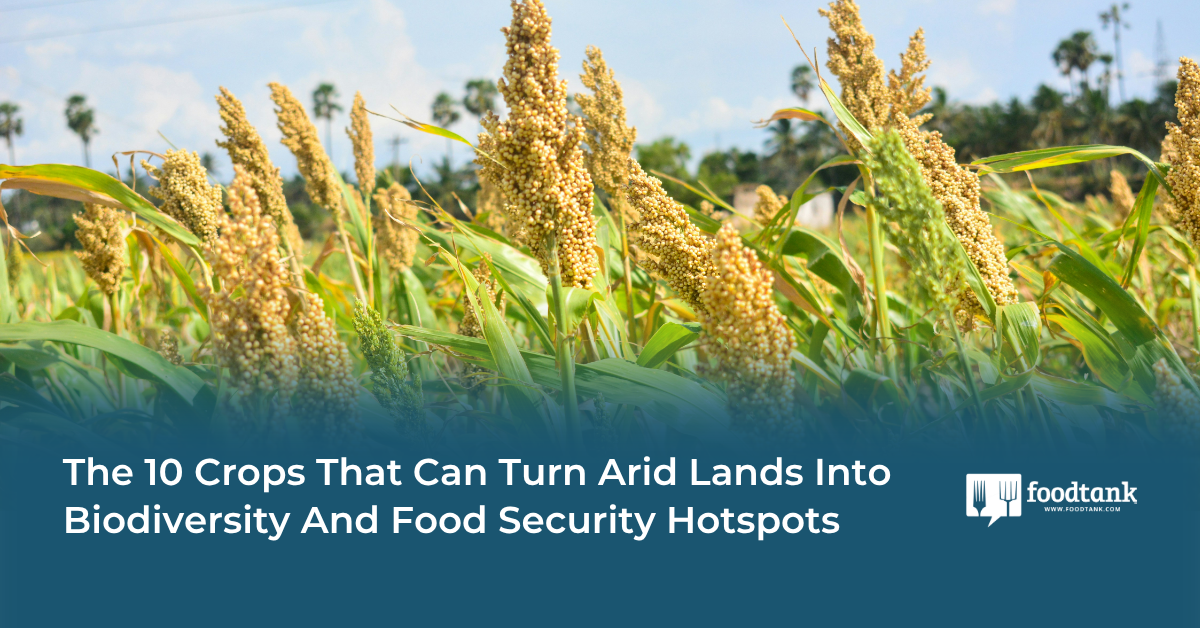
PermaNews Brief
Key Takeaways
Certain crops thrive in dry regions, enhancing both ecosystem health and food availability.
- Dryland crops boost ecosystem resilience
- Diverse species support sustainable farming
- Climate-smart agriculture mitigates food scarcity
- Biodiversity improves soil health and crop yields
- Adapted crops reduce water dependency
Why It Matters
Cultivating these crops can transform arid regions into thriving ecosystems with improved food security and resilience against climate change.
What to Do Next
Research dryland crops suitable for your local environment.
Permaculture Context
For permaculture designers and homesteaders working in water-scarce environments, this research validates something experienced practitioners have long understood: the path to food security runs through ecological function, not against it. What's particularly significant here isn't just that these crops survive drought — it's that they actively rebuild the conditions necessary for long-term abundance. Species adapted to aridity tend to develop deep root systems that break compacted soils, fix atmospheric nitrogen, or establish mycorrhizal networks that benefit neighboring plants, creating cascading gains that extend well beyond a single harvest. If you're designing a resilient food system in a dry climate, this is a clear signal to move away from monoculture thinking and toward stacking these proven performers within a polyculture framework. Prioritize native or naturalized dryland species in your plant guilds, treat water retention earthworks as infrastructure rather than optional upgrades, and recognize that building soil biology in these environments is a multi-year investment with compounding returns. The goal isn't just feeding yourself — it's regenerating the land's capacity to feed itself.
Recommended for: Farmers, gardeners, and environmental advocates
Food Tank explores 10 dryland crops that improve biodiversity and food security to carry us toward a more resilient future.
The post The 10 Crops That Can Turn Arid Lands Into Biodiversity And Food Security Hotspots appeared first on Food Tank.
Source: foodtank.com
Related Analysis
- DIY Root Cellar vs. Chest Freezer: Build Costs & Payback — A DIY in-ground or basement root cellar in the US costs roughly $500–$5,000 to build depending on method, while a chest …
- Worm Composting: 6 Ways to Build a Bin, Real 2026 Costs, and Where the Research Actually Disagrees — Vermicomposting turns kitchen scraps into worm castings using a container, bedding, and red wigglers (Eisenia fetida) — …
Related on PermaNews
- Designing Regenerative Resilience: Participatory Living Labs (How-To Guide)
- PRI Jordan: Arid Zone Permaculture Yields 5 Tons/Hectare (Case Study)
- Amazonas: Chakra Waldgärten – Dynamische Agroforst-Wunder (Case Study)
- Nagaland's Jhum-Alder Agroforestry: Climate-Smart Farming (Article)
- Aboriginal Cool Burns: Permaculture's Ancient Fire Wisdom (Case Study)
- CIT-ED Pioneers Tribal Food Forest for Climate & Food Security (Case Study)
Explore more in Food Systems & Growing — the full hub for this knowledge area.