Sap Tubes in Trees: Maple Syrup from a 2-Acre Food Forest
By Almost 2 Acres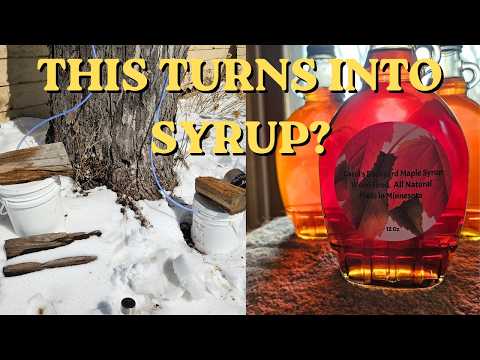
TL;DR: Transitioning from traditional maple sap collection to a tubing and vacuum system can significantly increase syrup production on smaller properties, maximizing efficiency and yield.
- Tubing systems enhance sap yield over traditional buckets.
- Vacuum pumps are crucial for maximizing sap extraction.
- Proper tubing selection ensures durability and food safety.
- Careful network planning optimizes sap flow via gravity.
- Sealed systems prevent leaks and maintain vacuum effectiveness.
Why it matters: Adopting efficient sap collection methods like tubing and vacuum systems empowers small-scale syrup producers to maximize their harvest, turning a hobby into a more productive endeavor.
Do this next: Explore local suppliers for food-grade tubing and vacuum pumps to upgrade your sap collection system.
Recommended for: Homeowners, small-scale farmers, and permaculture enthusiasts interested in efficiently producing their own maple syrup.
The article details a personal account of establishing a maple syrup production system on a small property, focusing on the practical aspects and challenges encountered. The author, residing on a property just under two acres, describes the initial motivation to utilize the abundant maple trees for syrup, moving beyond the traditional bucket collection method to a more efficient tubing system.
The journey began with the acquisition of a vacuum pump, a crucial component for maximizing sap yield. The author explains the rationale behind using a vacuum system, highlighting its ability to draw more sap from the trees compared to gravity-fed methods, especially beneficial for a smaller operation aiming for higher efficiency. The selection of tubing was a significant decision, with the author opting for a 5/16 inch diameter, food-grade tubing, emphasizing its durability and safety for sap collection. The process involved carefully planning the layout of the tubing network, considering the topography of the land and the distribution of the maple trees. This planning phase was critical to ensure a continuous downhill flow of sap towards a central collection point, minimizing the need for additional pumps or manual intervention.
Installation of the tubing system was a labor-intensive process. The author describes drilling tap holes into the maple trees, ensuring the correct depth and angle to prevent damage to the tree and optimize sap flow. Spiles, the small fittings inserted into the tap holes, were then connected to the tubing. The tubing itself was strung between trees, often requiring the use of wire or rope to support its weight and maintain the necessary slope. Special attention was paid to creating a sealed system to maintain the vacuum, which involved using various connectors, tees, and elbows to branch the tubing to individual trees and then consolidate the flow into larger mainlines. The author notes the importance of checking for leaks regularly, as even small breaches in the system can significantly reduce the vacuum pressure and, consequently, the sap yield.
The collection process culminates at a central tank, where the sap accumulates before being transported for boiling. The article touches upon the challenges of maintaining the system, such as preventing squirrels and other wildlife from chewing through the tubing, and the need for periodic cleaning to prevent bacterial growth that can contaminate the sap. The author also discusses the importance of timing the sap collection season correctly, as sap flow is highly dependent on temperature fluctuations, typically occurring during late winter and early spring when nights are freezing and days are thawing.
The boiling process, while not the primary focus of the article, is briefly mentioned as the next step after sap collection. The author alludes to the significant amount of sap required to produce a relatively small quantity of syrup, highlighting the concentration process where water is evaporated to leave behind the sweet maple syrup. The overall narrative conveys a sense of satisfaction and accomplishment in transforming a natural resource on one's property into a valuable product, while also acknowledging the effort and learning curve involved in establishing and operating such a system. The article serves as a practical guide and an inspirational account for others interested in small-scale maple syrup production.
Source: youtube.com
Related Analysis
- Farms Build Resilience, Pivot to Regenerative Soil — New initiatives and analysis explicitly frame regenerative agriculture as a direct solution for climate resilience, focu…
- Federal Policy Pivots, Builds Indigenous Agriculture Frameworks — Federal policy trends are integrating Indigenous knowledge with soil science in regenerative agriculture, shifting polic…
Related on PermaNews
- Comment créer un micro jardin-forêt productif ! (Video)
- Justin Rhodes: Food Forest & Carbon Farming (12/11/25) (Video)
- Aloe Vera: Free Grapevine Rooting Hormone DIY (Video)
- April Harvest: The Unknown Edible Shrub for Your Food Forest (Video)
- 4 Pflanzen, 620 kg Tomaten: Permakultur-Erfolg! (Video)
- Famine Food: 60-Day Crop Beats Rice - Easy, Nutritious (Video)
Explore more in Food Systems & Growing — the full hub for this knowledge area.