Angora Fiber: Harvesting & Utilizing Your Rabbit's Wool
By Urban Farmer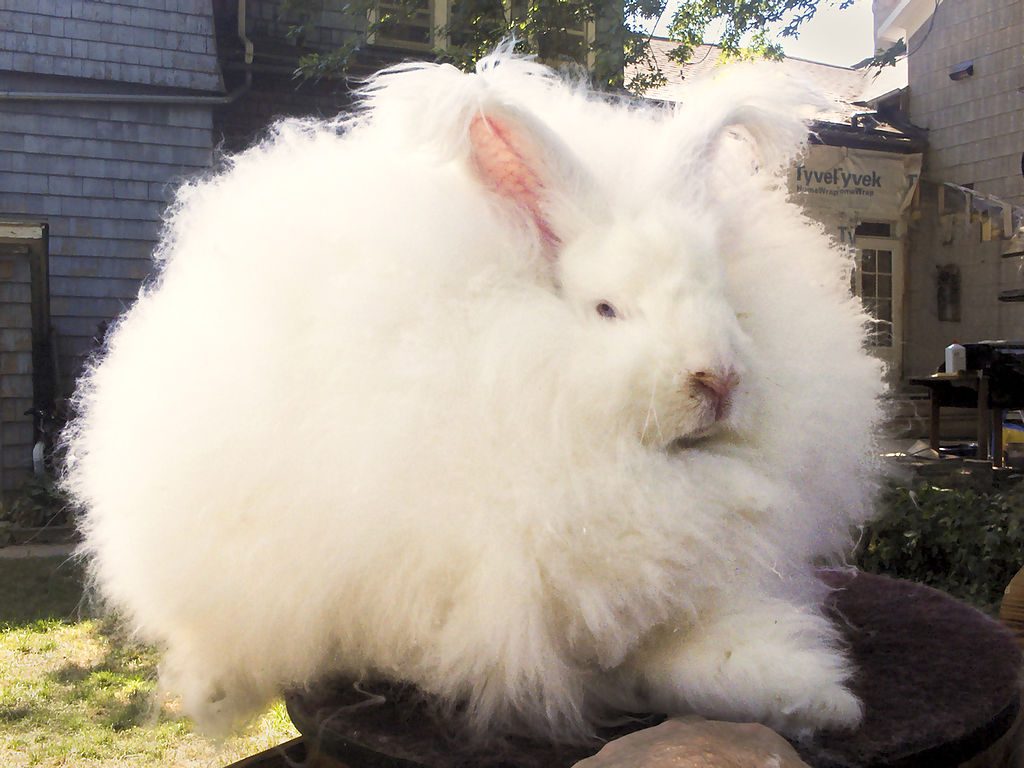
PermaNews Brief
Key Takeaways
Angora rabbit fiber offers a sustainable resource, transforming pet care into productive textile craft through mindful husbandry and processing.
- Rabbit health directly impacts fiber quality.
- Choose harvesting method based on fiber length need.
- Protein-rich diet supports rapid fiber growth.
- Clean environment prevents fiber matting and staining.
- Proper preparation is crucial for spinning.
Why It Matters
Utilizing angora rabbit fiber provides a renewable source for textiles, adding economic and practical value to animal husbandry and promoting sustainable resource management at home.
What to Do Next
Research local angora rabbit breeders and fiber processing workshops to learn more about starting your own fiber production.
Recommended for: Home textile enthusiasts, small-scale homesteaders, and those seeking sustainable fiber sources from livestock.
Angora rabbits are not only charming companions but also offer a valuable resource in their luxurious fiber. For owners interested in utilizing this natural product, understanding the process from fiber collection to finished goods can transform a pet into a productive partner. The key to successful angora fiber use lies in proper care of the rabbit, efficient harvesting techniques, and knowledge of fiber processing.
The quality of angora fiber is directly linked to the health and well-being of the rabbit. A balanced diet, clean living conditions, and regular grooming are essential for producing soft, strong, and long fibers. Angora rabbits require a diet rich in protein and fiber to support their rapid hair growth. Their enclosures should be kept meticulously clean to prevent matting and staining of the fiber, which can significantly reduce its value. Regular brushing is also crucial, not only to prevent mats but also to stimulate blood circulation and promote healthy fiber growth.
There are several methods for harvesting angora fiber, each with its own advantages. Plucking, or "combing out," is a common method where loose fiber is gently pulled from the rabbit as it sheds naturally. This method yields the longest and highest quality fibers, as only mature, ready-to-shed hair is removed. However, it is a time-consuming process and requires a cooperative rabbit. Shearing, similar to sheep shearing, involves using specialized clippers to remove the fiber. This method is faster and more efficient, especially for larger operations, but it can result in shorter fibers and may require more careful handling to avoid cutting the rabbit's skin. Some owners also opt for a combination of both methods, plucking the prime areas and shearing the rest.
Once harvested, the angora fiber needs to be prepared for spinning. This typically involves skirting, which is the removal of any soiled or coarse fibers, and then carding or combing. Carding disentangles the fibers and aligns them somewhat, creating a fluffy batt suitable for woolen spinning. Combing, on the other hand, aligns the fibers in a parallel fashion, removing shorter fibers and creating a smooth top ideal for worsted spinning. The choice between carding and combing depends on the desired end product and the characteristics of the fiber.
Angora fiber is renowned for its exceptional softness, warmth, and halo effect. It is often blended with other fibers, such as wool or silk, to enhance its strength and elasticity while retaining its luxurious qualities. This blending can also make the fiber easier to spin and more durable for various applications. The spun yarn can then be used for a wide array of textile projects, including knitting, crocheting, and weaving. Common items made from angora fiber include sweaters, scarves, hats, gloves, and baby garments, where its softness is particularly appreciated.
Beyond personal use, angora fiber can be a source of income. Selling raw fiber, processed roving, or finished yarn and garments can provide a sustainable business opportunity for angora rabbit owners. Marketing the unique qualities of angora, such as its warmth-to-weight ratio and hypoallergenic properties, can attract discerning customers. Participating in craft fairs, online marketplaces, and local fiber guilds can help connect producers with buyers.
In conclusion, transforming angora rabbit fiber into usable products is a rewarding endeavor that combines animal husbandry with textile arts. By prioritizing the rabbit's health, employing appropriate harvesting techniques, and understanding fiber processing, owners can unlock the full potential of their angora rabbits, turning their soft fiber into valuable and beautiful creations.
Source: urbanfarmonline.com
Related Analysis
- City Leavers Build Off-Grid Homes Without Grid Connections — Early signals show urban-to-rural migrants building off-grid energy systems out of necessity, not principle — with long-…
- AI Hallucinated Links Are Breaking Permaculture Sites' Discoverability — Early signals indicate AI chatbots are generating fake URLs pointing to permaculture content, while site architecture—no…
Related on PermaNews
- Borneo's Rainforest Revival: Dr. Smits' Sugar Palm Village Hub (Case Study)
- Holmgren's 40 Yrs: Abundant Permaculture Design Webinar 3 (Video)
- Silvopasture: Maximize Livestock Gains with Regenerative Trees (How-To Guide)
- Agroforestry-Bioenergy System for Africa's Energy, Food, Health (Article)
- Regenerate Soil: Animal Integration in Carbon Farming (How-To Guide)
- Autarke Solarstromversorgung im Haus: Praxisnahes Konzept mit Photovoltaik, Speicher und Inselbetrieb (How-To Guide)
Explore more in Skills, Preparedness & Self-Reliance — the full hub for this knowledge area.