Master Japanese Joinery: 3-Year Workshop Series Excels
By Ziggy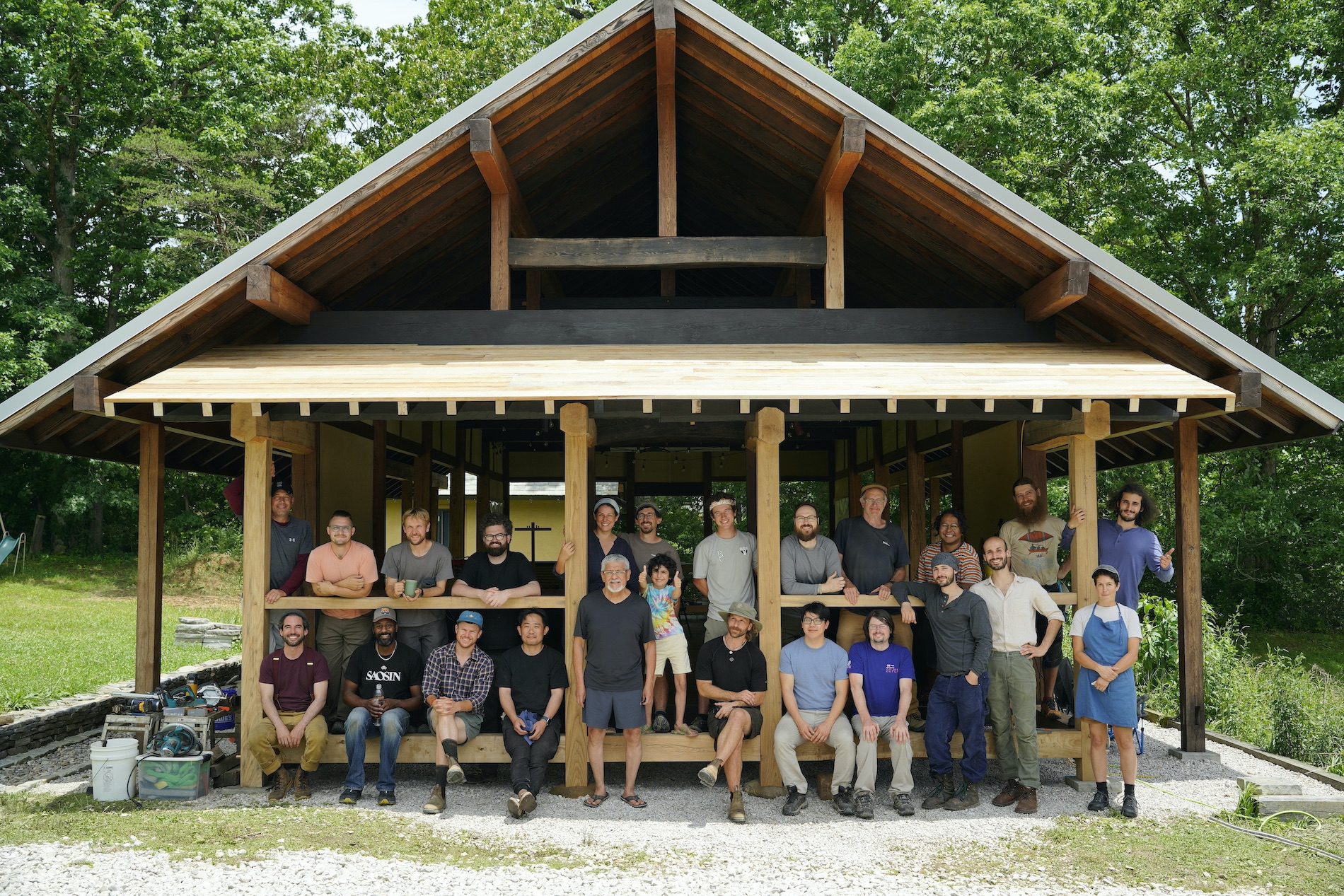
PermaNews Brief
Key Takeaways
Japanese carpentry workshops demonstrate enduring interest in traditional, fastener-free woodworking techniques emphasizing precision and material understanding.
- Workshops teach traditional Japanese joinery.
- Focus on precision and structural integrity.
- Hands-on experience is crucial for learning.
- Learn to use specialized Japanese hand tools.
- Deep understanding of wood is emphasized.
Why It Matters
Mastering traditional joinery reduces reliance on manufactured fasteners, enhancing durability and sustainability in construction and craft.
What to Do Next
Research local woodworking guilds or community colleges for similar hands-on workshops in traditional craft techniques.
Recommended for: Anyone interested in developing highly skilled, patient woodworking techniques with traditional tools and methods.
For three consecutive years, a series of Japanese carpentry workshops has consistently generated significant enthusiasm among participants. These workshops delve into the intricate world of traditional Japanese joinery, a craft celebrated for its precision, aesthetic appeal, and structural integrity without the reliance on modern fasteners. The recurring success of these events highlights a strong and sustained interest in this specialized form of woodworking.
The workshops typically cover a range of fundamental techniques and principles that define Japanese carpentry. Participants are introduced to the philosophy behind the craft, which often emphasizes a deep understanding of wood as a material, meticulous planning, and the development of highly refined hand skills. Unlike Western carpentry, which frequently employs nails, screws, or glues, Japanese joinery relies on complex interlocking wood joints that are designed to fit together with extreme accuracy, creating strong and durable structures.
A key aspect of these workshops is the hands-on experience provided. Attendees are guided through the process of creating various joints, starting from basic cuts and progressing to more elaborate designs. This practical application is crucial for developing the muscle memory and spatial reasoning necessary for mastering the craft. Instructors, often experienced practitioners of Japanese carpentry, demonstrate techniques and offer personalized feedback, ensuring that participants grasp the nuances of each step. The emphasis is not just on replication but on understanding the underlying principles that allow for adaptation and innovation within the traditional framework.
The tools used in Japanese carpentry are also a significant part of the learning experience. Participants learn about the proper care, sharpening, and use of traditional Japanese hand tools, such as chisels, planes, and saws, which are distinct in their design and operation compared to their Western counterparts. For instance, Japanese saws cut on the pull stroke, offering greater control and precision. Understanding and mastering these tools is fundamental to achieving the high level of accuracy required for seamless joinery.
Beyond the technical skills, the workshops often impart a deeper appreciation for the cultural and historical context of Japanese carpentry. This craft is not merely a construction method but a reflection of Japanese aesthetics, philosophy, and a long tradition of craftsmanship passed down through generations. Participants gain insight into how these techniques have been applied in the construction of temples, traditional homes, and furniture, showcasing the versatility and enduring beauty of the style.
The consistent "whirlwind" of activity and the palpable enthusiasm observed over these three years suggest that these workshops are fulfilling a significant demand for specialized, high-quality woodworking education. They offer a unique opportunity for individuals to connect with a rich artisanal tradition, develop valuable practical skills, and cultivate a deeper understanding of material and design. The sustained interest underscores the timeless appeal of traditional craftsmanship in an increasingly mechanized world, demonstrating that the intricate beauty and structural ingenuity of Japanese joinery continue to captivate and inspire a dedicated community of learners.
Source: theyearofmud.com
Related Analysis
- Off-Grid Builders Test Rocket Mass Heaters at -35°F — Early 2024 data from high-altitude and sub-zero builds indicate rocket mass heaters sustaining livable temperatures with…
- Homeowners Retrofit Properties with Renewable Energy Solutions — Renewable energy retrofitting gains traction as regenerative agriculture principles inform home upgrades. Experts point …
Related on PermaNews
Explore more in Shelter, Energy & Infrastructure — the full hub for this knowledge area.