Marlene Schiwy: Empowering Women Through Workshops
By New Society Publishers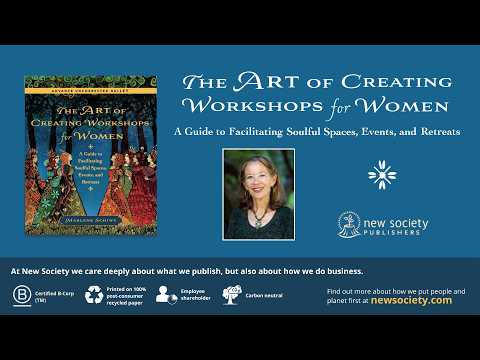
PermaNews Brief
Key Takeaways
Effective workshops for women emphasize intentional design, a supportive environment, and diverse learning modalities for personal growth and skill development.
- Intentional design is crucial for impactful workshops.
- Create a safe and inclusive learning environment.
- Balance didactic instruction with interactive exercises.
- Facilitators should guide and validate experiences.
- Relevant content empowers participants and builds community.
Why It Matters
Thoughtfully designed workshops can significantly empower women by fostering skill acquisition, personal development, and community building, leading to lasting positive impacts.
What to Do Next
Watch the video to understand the nuances of creating impactful workshops for women.
Recommended for: Workshop facilitators, educators, and community organizers seeking to create empowering and effective learning experiences for women.
Marlene Schiwy, a seasoned workshop facilitator and author, offers valuable insights into designing and leading impactful workshops specifically for women. Her approach emphasizes creating a supportive and empowering environment where participants can explore personal growth, develop new skills, and connect with one another. Schiwy's methodology is rooted in the understanding that women often benefit from learning spaces that prioritize collaboration, emotional intelligence, and a holistic perspective.
A core tenet of Schiwy's philosophy is the importance of intentional design. She advocates for a meticulous planning process that goes beyond simply outlining content. Instead, facilitators should consider the overall experience, from the initial welcome to the closing reflections. This includes carefully crafting the workshop's objectives, ensuring they are clear, achievable, and resonate with the target audience. The structure of the workshop is also crucial, with a recommended balance between didactic instruction, interactive exercises, group discussions, and individual reflection time. Schiwy suggests incorporating a variety of learning modalities to cater to different learning styles and keep participants engaged.
Creating a safe and inclusive atmosphere is paramount in workshops for women. Schiwy stresses the need for facilitators to establish clear group agreements at the outset, fostering a sense of trust and respect among participants. This might involve guidelines around active listening, confidentiality, and respectful disagreement. The facilitator's role extends beyond delivering information; it encompasses holding space for emotional expression, validating experiences, and gently guiding discussions. Schiwy emphasizes the power of storytelling and sharing personal narratives as a means of connection and collective learning.
The content of the workshops, according to Schiwy, should be relevant and empowering. She encourages facilitators to draw upon their own expertise and passions while also being responsive to the specific needs and interests of the women attending. Topics can range from practical skills development to personal development, creative expression, and community building. Regardless of the subject matter, the underlying goal is to equip women with tools, knowledge, and confidence to navigate their lives more effectively.
Schiwy also highlights the significance of the facilitator's presence and authenticity. She believes that a genuine and compassionate approach is key to building rapport and inspiring participants. Facilitators are encouraged to be vulnerable when appropriate, sharing their own learning journeys and challenges, which can help to normalize struggles and foster a sense of shared humanity. Self-care for facilitators is also addressed, recognizing the emotional and energetic demands of leading workshops.
Furthermore, Schiwy emphasizes the importance of follow-up and integration. A workshop's impact can be significantly enhanced if participants are provided with resources, tools, or opportunities to continue their learning and apply their new insights in their daily lives. This might include recommended readings, practice exercises, or connections to ongoing support networks. The aim is to ensure that the learning extends beyond the workshop setting, leading to lasting personal and collective transformation.
In essence, Marlene Schiwy's approach to creating workshops for women is a comprehensive guide to fostering environments where women can thrive. It underscores the power of intentional design, inclusive facilitation, relevant content, and authentic leadership to create truly impactful and transformative learning experiences.
Source: youtube.com
Related Analysis
- Permaculture Sites Bypass Backlinks to Win AI Citations — A small cluster of signals indicates AI citation logic diverges sharply from SEO rules, with hallucinated URLs creating …
- Stacking Functions Emerges as Key to Resilience Practices — Emerging evidence shows stacking functions enhances community resilience through interlinked systems focused on efficien…
Related on PermaNews
- Permaculture is Revolution Disguised as Gardening | David Holmgren—Wild & Kind series, Morag Gamble (Video)
- Ep. 447 - Why Decentralization is the ONLY Way Forward with Todd Pitner (Video)
- Nature's Example (Video)
- Maja Göpel mit Christoph Hein: Geoökonomie NEU DENKEN. (Podcast)
- Ep. 447 - Why Decentralization is the ONLY Way Forward with Todd Pitner (Podcast)
- Ep. 441 - The Future of Healthcare Might Not Be in Hospitals (Podcast)
Explore more in Skills, Preparedness & Self-Reliance — the full hub for this knowledge area.