My Shiitake Mushroom Cultivation Journey: A PermaNews Story
By Maritime Gardening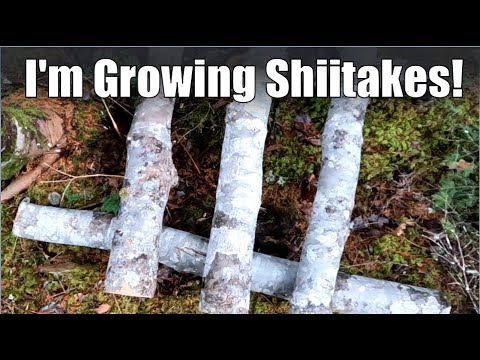
PermaNews Brief
Key Takeaways
Cultivating shiitake mushrooms on hardwood logs offers a sustainable way to produce food, involving careful log selection, inoculation, and incubation.
- Choose fresh hardwood logs, 4-8 inches diameter.
- Drill holes in a diamond pattern for even spawn distribution.
- Use sawdust spawn, seal with food-grade wax.
- Allow 6-12 months for mycelium to colonize logs.
- Monitor moisture and protect from contaminants.
Why It Matters
Growing shiitake at home reduces reliance on commercial systems and integrates sustainable food production into your lifestyle, enhancing food forests and urban gardens.
What to Do Next
Start by sourcing fresh hardwood logs like oak from a local arborist or sawmill.
Recommended for: Those interested in cultivating gourmet mushrooms sustainably and integrating mycology into their permaculture practice.
The article details a personal journey into cultivating shiitake mushrooms, highlighting the process from initial preparation to eventual harvest. The author begins by explaining the motivation behind this endeavor, which stems from a desire to produce food sustainably and locally, aligning with permaculture principles.
The primary method chosen for cultivation is using hardwood logs, specifically oak, which is a common and effective substrate for shiitake. The process starts with sourcing suitable logs. The article emphasizes the importance of using freshly cut logs, ideally within a few weeks of felling, as older logs may already be colonized by other fungi, which would compete with the shiitake mycelium. The ideal diameter for these logs is discussed, with a preference for logs between four and eight inches, as these are manageable and provide a good balance between moisture retention and colonization time.
Once the logs are acquired, the next step involves preparing them for inoculation. This typically means drilling holes at specific intervals around the log. The article suggests a diamond pattern for drilling, ensuring even distribution of the mushroom spawn across the log's surface. The depth and diameter of the holes are also important, needing to accommodate the size of the spawn plugs or sawdust spawn.
The inoculation process itself is described in detail. The author opted for sawdust spawn, which is packed into the drilled holes. After filling the holes, they are sealed with a layer of food-grade wax. This waxing step is crucial as it protects the spawn from drying out and prevents contamination from other airborne fungi or bacteria. The article mentions that cheese wax or beeswax are common choices for this purpose.
Following inoculation, the logs enter the "incubation" or "spawn run" phase. During this period, the shiitake mycelium colonizes the entire log. This process can take several months, typically six to twelve months, depending on environmental conditions and the type of wood. The article stresses the importance of maintaining appropriate moisture levels and shade during this time. The logs are usually stacked in a shady, well-ventilated area, often off the ground to prevent contact with soil-borne pathogens and pests. Regular watering or misting, especially during dry spells, is essential to keep the logs hydrated, which is vital for mycelial growth.
After the incubation period, the logs are ready for "forcing" or "shocking" to induce fruiting. This involves submerging the logs in cold water for a period, usually 12 to 24 hours. This sudden change in temperature and moisture mimics the natural conditions that trigger mushroom production in the wild, such as a cold rain after a dry spell. The article notes that this step is not always strictly necessary, as some logs will fruit naturally, but it significantly increases the chances of a flush and allows for more controlled harvesting.
Once shocked, the logs are placed in a suitable environment for fruiting. This typically means a humid, shaded location. Within a week or two, small mushroom pins begin to appear, rapidly developing into mature shiitake mushrooms. The article describes the appearance of these mushrooms, noting their characteristic brown caps and gills.
Harvesting is done when the caps are fully open but before they start to curl upwards too much, indicating they are past their prime. The mushrooms are gently twisted off the log. The article mentions that logs can produce multiple flushes over several years, with a period of rest between each flush. The frequency and yield of flushes depend on the health of the mycelium, the size of the log, and environmental conditions.
The author concludes by reflecting on the rewarding nature of growing shiitake mushrooms, emphasizing the satisfaction of producing a gourmet food item at home and the connection it fosters with natural processes. The article serves as a practical guide for anyone interested in embarking on their own shiitake cultivation journey, offering insights into the necessary steps and considerations for success.
Source: youtube.com
Related Analysis
- Food Forest Courses Shift From Theory to Build-Ready Skills — Several food forest courses now open with site assessment and guild-building rather than design theory, suggesting a dev…
- Practitioners Build Silvopasture Playbook Before Researchers Catch Up — A small but consistent set of signals from the Northeast U.S. shows farmers actively piloting silvopasture while formal …
Related on PermaNews
- Weltbiodiversitätstag: Bio-Balkone fördern Lebensräume für Tiere und Pflanzen (Video)
- Comment créer un micro jardin-forêt productif ! (Video)
- Grow HUGE Winter Squash in SMALL Spaces! Vertical Gardening Hack #shorts (Video)
- Justin Rhodes: Food Forest & Carbon Farming (12/11/25) (Video)
- Urban Food Forest Creation: Geoff Lawton's Permaculture Design (Video)
- Building Your Own Sproutbox Garden Raised Bed for Sustainability (Video)
Explore more in Food Systems & Growing — the full hub for this knowledge area.