Late Freeze Caps Warm Year: Climate Impact on Growth
By RED Gardens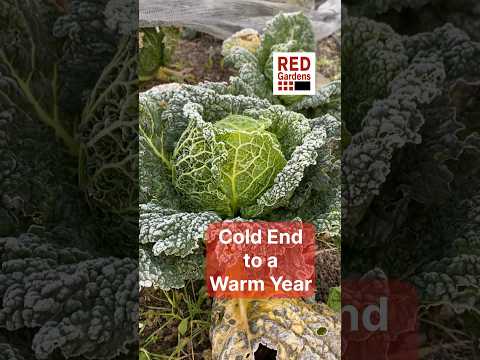
PermaNews Brief
Key Takeaways
A late-season cold snap after prolonged warmth severely impacted plants and agriculture, highlighting climate change unpredictability.
- Unpredictable weather patterns challenge traditional growing seasons.
- Extended warmth promotes earlier plant development.
- Late frosts devastate unhardened new growth.
- Agricultural yields are at risk from sudden temperature drops.
- Pest and disease dynamics shift with changing climates.
Why It Matters
Understanding these shifts is crucial for adapting gardening and farming practices to minimize crop loss and ensure food security. It impacts how we plan, what we grow and when we harvest.
What to Do Next
Review your planting and harvesting schedules for flexibility and frost preparedness.
Recommended for: Gardeners, farmers, and anyone interested in the practical impacts of climate change on food systems.
The year concluded with a notable cold snap, marking a significant shift from the generally warmer conditions experienced throughout the preceding months. This late-season frost event had a considerable impact on various aspects of the natural world, particularly affecting plant life and agricultural cycles.
Throughout the year, many regions had reported higher-than-average temperatures, leading to extended growing seasons and altered phenological patterns. This prolonged warmth encouraged earlier budding, flowering, and fruiting in numerous plant species. Farmers and gardeners, in response, often adjusted their planting schedules, sometimes opting for earlier starts or experimenting with crops typically suited for warmer climates. The extended warmth also influenced pest and disease dynamics, with some populations experiencing increased activity or extended reproductive cycles due to the favorable conditions.
However, the abrupt arrival of freezing temperatures at the year's end presented a stark contrast to these earlier trends. This sudden drop in temperature, often accompanied by frost, posed a significant threat to vegetation that had become accustomed to the milder conditions. Plants that had put on new growth or were still actively producing were particularly vulnerable. Tender annuals, which had thrived in the extended warmth, were likely to be severely damaged or killed by the frost. Perennial plants, while generally more resilient, could also suffer setbacks, especially if new, unhardened growth was exposed to freezing temperatures. The timing of the frost was crucial; if it occurred after a period of significant growth, the damage would be more extensive than if plants had already entered a dormant state.
For agricultural producers, this late-season cold snap presented a range of challenges. Crops that were still in the field, such as late-harvest vegetables or certain fruit varieties, faced the risk of frost damage, potentially leading to reduced yields or compromised quality. Farmers who had planted earlier in the season due to the warm weather might have found their crops more susceptible to the sudden cold. The need for protective measures, such as row covers or irrigation for frost protection, would have become immediate and critical in affected areas. The economic implications for these growers could be substantial, impacting their annual harvests and profitability.
Beyond agriculture, the cold end to the year also had ecological ramifications. Wildlife, particularly insects and some migratory birds, might have been caught off guard by the sudden temperature drop, potentially affecting their overwintering strategies or migration patterns. The availability of food sources could also be impacted if frost damaged late-season berries or other forage.
This event serves as a reminder of the variability inherent in seasonal weather patterns, even within a broader context of warming trends. While the year as a whole might have been characterized by elevated temperatures, the final cold snap underscored the importance of resilience and adaptability in both natural systems and human endeavors. It highlighted the challenges faced by those who rely on predictable seasonal cycles for their livelihoods and the continuous need for strategies to mitigate the impacts of unexpected weather events. The contrast between the generally warm year and its cold conclusion provided a tangible example of how localized and short-term weather phenomena can diverge from broader climatic trends, yet still exert significant influence on ecological and agricultural systems.
Source: youtube.com
Related Analysis
- Designers Push Urban Standard From Sustainable to Regenerative — Early signals point to a push for urban design that actively restores ecosystems, not merely reduces harm — with field-t…
- Scrapped EV Batteries Convert to Solar Storage in Off-Grid Markets — Several sources suggest retired EV batteries are finding a second role in rural off-grid solar systems, potentially lowe…
Related on PermaNews
- Designing Regenerative Resilience: Participatory Living Labs (How-To Guide)
- Amazonas: Chakra Waldgärten – Dynamische Agroforst-Wunder (Case Study)
- Nagaland's Jhum-Alder Agroforestry: Climate-Smart Farming (Article)
- CIT-ED Pioneers Tribal Food Forest for Climate & Food Security (Case Study)
- weADAPT: 100+ Climate Case Studies & Indigenous Practices (Case Study)
- Water Cycle Restoration Research: Indigenous Wisdom Meets Permaculture (Article)
Explore more in Water, Climate & Adaptation — the full hub for this knowledge area.