Deanna Moore's Journey to Regenerative Livelihoods
By Josh Robinson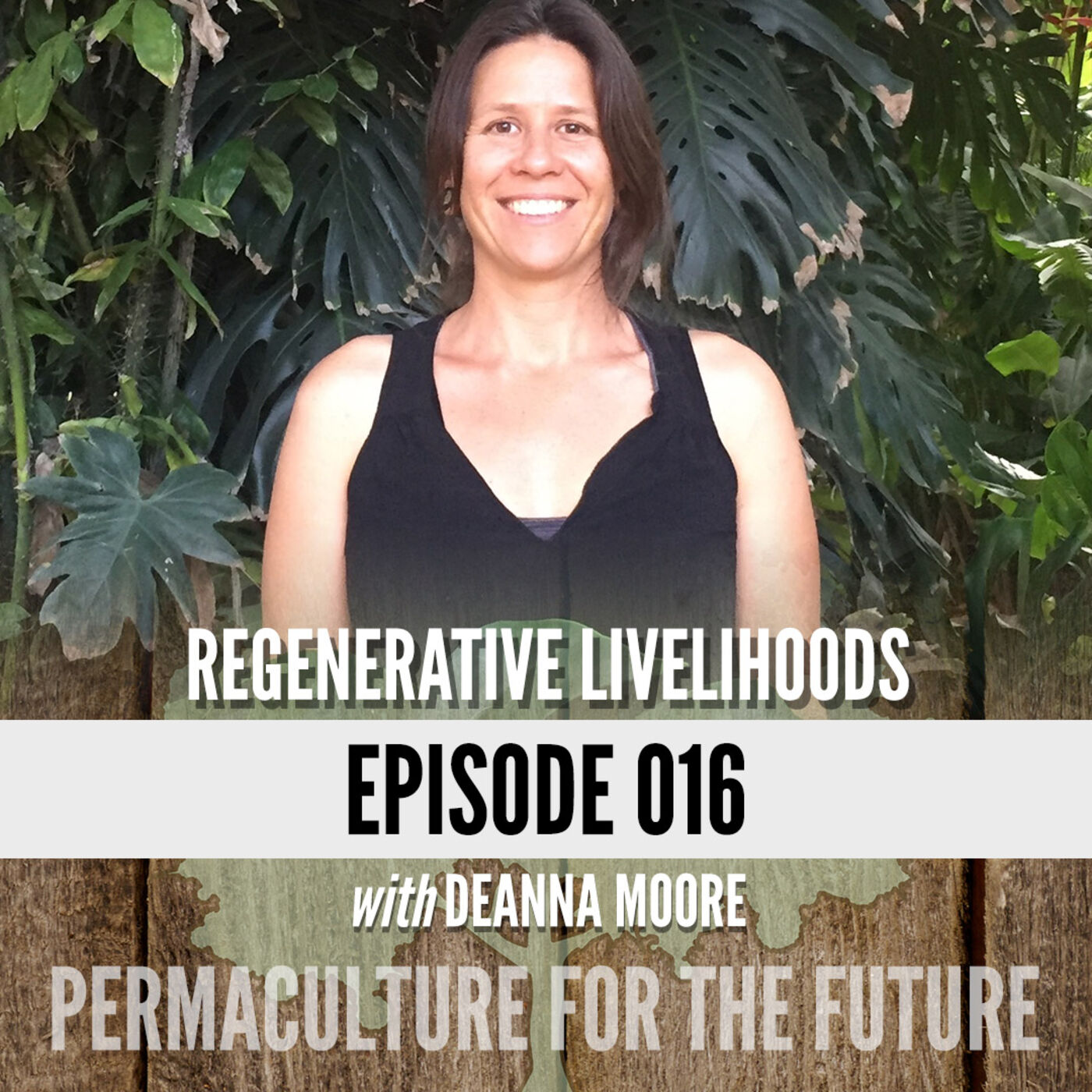
PermaNews Brief
Key Takeaways
Deanna Moore pivoted from academic research on indigenous cultures and chocolate in Africa to building a regenerative chocolate business, aligning economic activity with ecological and social well-being.
- Indigenous studies informed ecological business.
- Chocolate business promotes positive change.
- Diverse background supports sustainable culture.
- Collaboration crucial for sustainable outcomes.
Why It Matters
This approach demonstrates how entrepreneurial ventures can integrate environmental and social responsibility, offering a model for sustainable economic development.
What to Do Next
Explore MyRemarkableWellness.com to learn more about Deanna Moore's work and initiatives.
Recommended for: Entrepreneurs, academics in ecology or indigenous studies, and anyone interested in creating a sustainable and ethical livelihood.
This article introduces Deanna Moore and her work, focusing on her journey toward establishing regenerative livelihoods. Her career path began with an academic interest in indigenous cultures, which she pursued during her time at Prescott College. This academic pursuit led her to Africa, where she conducted research specifically related to chocolate.
Following her research, Deanna transitioned into entrepreneurship, establishing her own business centered around selling chocolates. This venture was not merely a commercial endeavor; she viewed her business as a platform to enact positive change and contribute to the greater good. This perspective aligns with the broader concept of regenerative livelihoods, where economic activities are designed to benefit both people and the planet.
Deanna Moore's background is diverse and multifaceted, underpinning her commitment to fostering a just, sacred, and sustainable culture. Her academic credentials include an MA in Ecology & Education from Prescott College, which provided her with a strong foundation in environmental principles and educational methodologies. She is also a published co-author of "The Green Intention," further demonstrating her engagement with sustainability topics.
Beyond her academic and entrepreneurial pursuits, Deanna possesses practical expertise in several key areas. She has a background in Permaculture, a design system for creating sustainable human habitats, and Ecology, the study of how living organisms interact with their environment. Her knowledge also extends to Holistic Health, emphasizing a comprehensive approach to well-being, and Education, reflecting her dedication to sharing knowledge and empowering others.
As a food entrepreneur, Deanna actively collaborates with both for-profit and non-profit organizations that share her values. This collaborative approach highlights her belief in collective action to achieve sustainable outcomes. Her personal interests further illustrate her connection to nature and traditional practices, including surfing, primitive skills, and an appreciation for mezcal and mushrooms.
Currently, Deanna Moore is a co-founder of Remarkable Wellness, a venture that likely embodies her principles of holistic well-being and sustainable living. The article encourages readers to explore MyRemarkableWellness.com for more information about her work and initiatives. Additionally, it mentions an Online Permaculture Design Course, suggesting that Deanna or her affiliated organizations may offer educational opportunities in permaculture, further aligning with her mission to promote sustainable practices and knowledge dissemination. Her journey exemplifies how academic research, entrepreneurial spirit, and a deep commitment to sustainability can converge to create impactful and regenerative livelihoods.
Source: thepermaculturelab.com
Related Analysis
- High-Salt Fertilizers Block Soil Microbes, Kempf Says — High-salt fertilizers disrupt soil microbes and microbial colonization, trapping farmers in chemical dependency. Biologi…
- Fertilizer Shortage Forces Reckoning on Nitrogen Sources — Fertilizer supply crisis drives farms toward nitrogen-fixing cover crops, compost, and legume rotations as alternatives.
Related on PermaNews
- Ernst Götsch's Cacao Syntropy: Master Agroforestry Now (How-To Guide)
- Finnish Off-Grid: Rocket Mass Heater Performance in Greenhouse (Case Study)
- Designing Regenerative Resilience: Participatory Living Labs (How-To Guide)
- Berlins schwimmende Gärten: Permakultur auf dem Wasser (Case Study)
- Lo—TEK: Indigenous Tech for Climate Solutions (Article)
- Rodale Report 2025: Thermal Mass Boost in Solar Greenhouses (Case Study)
Explore more in Food Systems & Growing — the full hub for this knowledge area.