5th World's Self-Sustaining Homesteads: Modern Permaculture Design
By Causeartist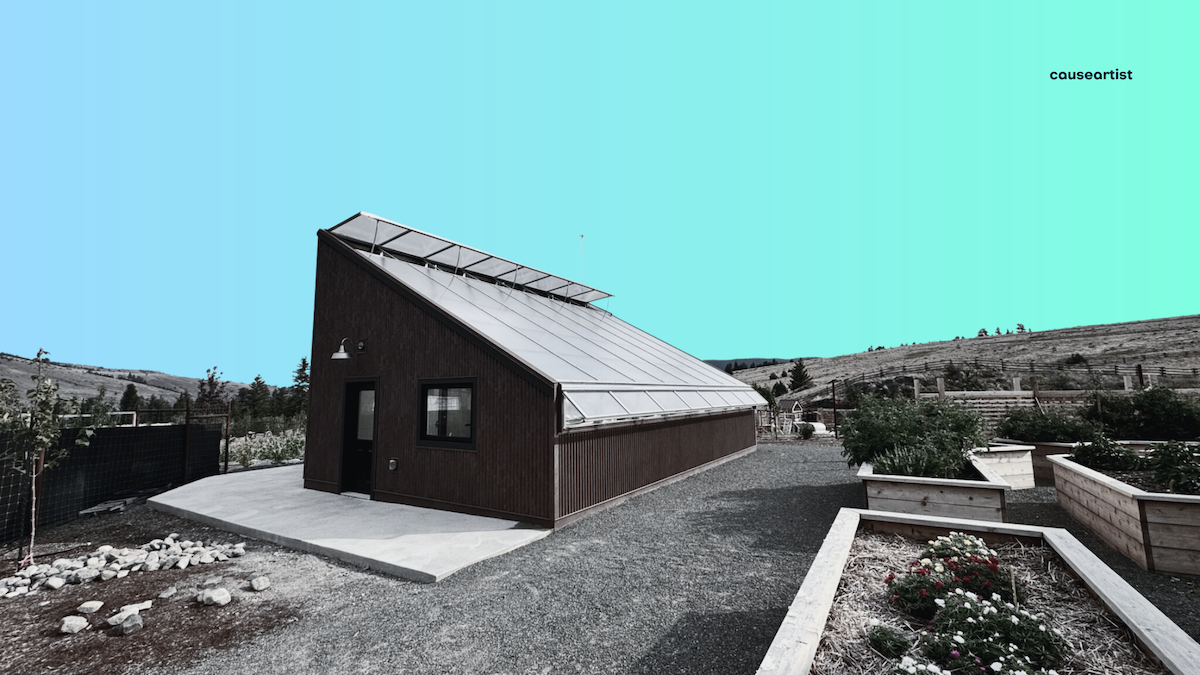
PermaNews Brief
Key Takeaways
5th World designs self-sufficient homesteads using permaculture principles and regenerative engineering for sustainable living.
- Integrated design creates resilient, autonomous homesteads.
- Food forests enhance biodiversity and soil health.
- Rainwater harvesting ensures water security.
- Greywater reuse minimizes water waste.
- Decentralized systems reduce reliance on infrastructure.
Why It Matters
Integrating permaculture and regenerative engineering creates truly self-sufficient living systems, offering a pathway to ecological and social resilience.
What to Do Next
Research local permaculture designers for a site assessment of your property.
Recommended for: Homeowners, developers, and community leaders interested in creating self-sustaining, resilient living environments.
This article explores 5th World, a company specializing in permaculture design and regenerative engineering aimed at creating self-sufficient homesteads. Their projects integrate multiple sustainable practices including food forests, passive solar greenhouses, rainwater harvesting, and greywater reuse. These elements work together to restore soil health, increase biodiversity, and ensure reliable food and water security. The approach emphasizes decentralized design principles to build resilient and autonomous communities capable of thriving independently from centralized infrastructure. The article provides insights into how combining permaculture and regenerative engineering can foster sustainable living environments that are ecologically sound and socially empowering.
Source: causeartist.com
Related Analysis
- High-Salt Fertilizers Block Soil Microbes, Kempf Says — High-salt fertilizers disrupt soil microbes and microbial colonization, trapping farmers in chemical dependency. Biologi…
- Fertilizer Shortage Forces Reckoning on Nitrogen Sources — Fertilizer supply crisis drives farms toward nitrogen-fixing cover crops, compost, and legume rotations as alternatives.
Related on PermaNews
- Ernst Götsch's Cacao Syntropy: Master Agroforestry Now (How-To Guide)
- Finnish Off-Grid: Rocket Mass Heater Performance in Greenhouse (Case Study)
- Designing Regenerative Resilience: Participatory Living Labs (How-To Guide)
- Berlins schwimmende Gärten: Permakultur auf dem Wasser (Case Study)
- Lo—TEK: Indigenous Tech for Climate Solutions (Article)
- Rodale Report 2025: Thermal Mass Boost in Solar Greenhouses (Case Study)
Explore more in Food Systems & Growing — the full hub for this knowledge area.