Organic Pest Control: Managing Bronze Orange Bugs
PermaNews Brief
Key Takeaways
Bronze orange bugs can devastate citrus; learn their life cycle and use organic controls.
- Identify nymphs and adults early.
- Healthy trees resist pests better.
- Manual removal works for small outbreaks.
- Natural deterrents can protect citrus.
- Protect yourself from bug spray.
Why It Matters
Understanding bronze orange bug behavior and implementing organic controls protects citrus harvests and promotes sustainable gardening practices.
What to Do Next
Inspect citrus trees weekly for pests, especially new growth.
Recommended for: Citrus growers seeking sustainable and effective pest management strategies.
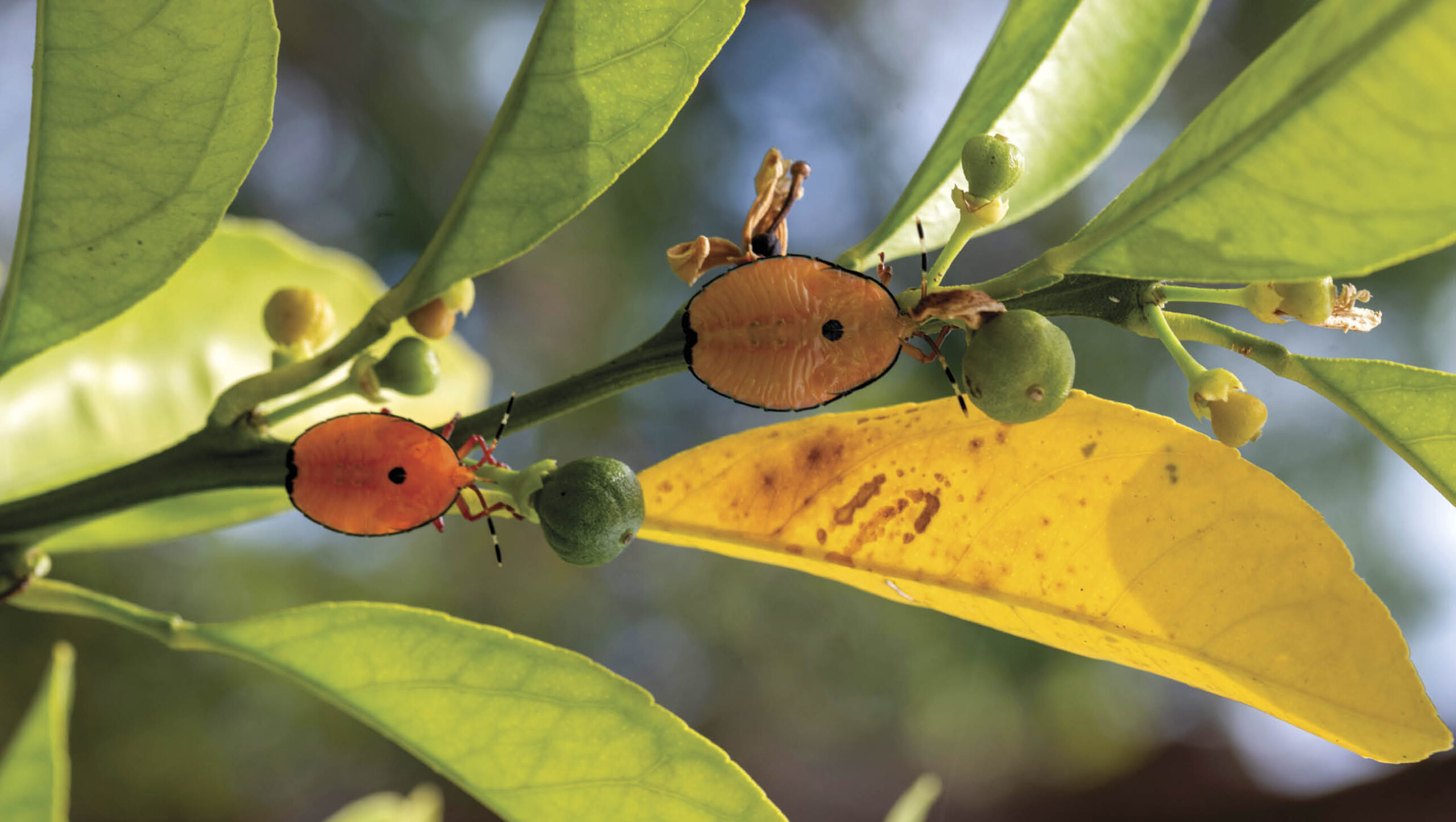
Bronze orange bugs, a common pest affecting citrus plants, are known for their sap-sucking behavior, which primarily targets new shoots and stems. Understanding their life cycle and preferred conditions is crucial for effective management within an organic gardening framework.
These insects typically emerge in warmer months, with their activity peaking during spring and summer. They undergo several nymphal stages before reaching adulthood. The nymphs are often bright green, gradually changing to a mottled orange and brown, and finally to the characteristic bronze-orange of the adult. Both nymphs and adults are problematic, as they feed by piercing plant tissues and extracting sap. This feeding can lead to various symptoms, including wilting, stunted growth, leaf distortion, and even the death of young shoots. In severe infestations, fruit production can be significantly impacted, with fruit dropping prematurely or developing poorly.
One of the most noticeable defense mechanisms of bronze orange bugs is their ability to spray a foul-smelling, irritating liquid when disturbed. This liquid can cause skin irritation and, if it gets into the eyes, can be quite painful. Therefore, caution is advised when dealing with these pests, and protective eyewear and gloves are recommended.
Organic pest control strategies for bronze orange bugs focus on prevention, manual removal, and the use of natural deterrents and biological controls.
Prevention is a key first step. Maintaining healthy, vigorous citrus trees through proper watering, fertilization, and soil management can make them more resilient to pest attacks. Stressed plants are often more susceptible. Regular inspection of trees, especially during spring and early summer, allows for early detection of nymphs, which are easier to control than adult populations.
Manual removal is an effective method for smaller infestations. Nymphs and adults can be carefully picked off the plants by hand. Dropping them into a bucket of soapy water is a common way to dispatch them. For larger trees or higher branches, a strong jet of water from a hose can dislodge them. This method is best performed in the morning when the bugs are less active.
Several natural deterrents can also be employed. Neem oil, derived from the neem tree, acts as an antifeedant and growth disruptor for many insects, including bronze orange bugs. It should be applied according to product instructions, typically as a foliar spray, ensuring good coverage of the affected areas. Horticultural oils, which are refined petroleum or vegetable oils, work by suffocating insects. They are most effective against nymphs and soft-bodied insects and should be applied when temperatures are not too high to avoid plant damage. Insecticidal soaps, another organic option, work by disrupting the insect's cell membranes. Like horticultural oils, they are best applied to young nymphs.
Encouraging beneficial insects is a cornerstone of organic pest management. Ladybugs, lacewings, and parasitic wasps are natural predators of various soft-bodied insects and can help keep bronze orange bug populations in check. Creating a diverse garden environment with a variety of flowering plants can attract and support these beneficial insects. Avoiding broad-spectrum pesticides is crucial, as these can harm beneficial insects as well as pests.
In cases of severe infestation, or when other methods are proving insufficient, some organic gardeners may consider using pyrethrum-based sprays. Pyrethrum is a natural insecticide derived from chrysanthemum flowers. While it is considered organic, it is a broad-spectrum insecticide and should be used judiciously, as it can also affect beneficial insects. It is generally recommended as a last resort.
Ultimately, managing bronze orange bugs organically requires a multi-faceted approach, combining vigilance, manual intervention, and the strategic use of natural products and biological controls to maintain a healthy and productive citrus orchard.
Source: organicgardener.com.au
Related Analysis
- Regenerative Farmers Flip Cover Crop Logic From Compliance to Profit — Practitioner accounts and a new meta-analysis suggest cover cropping is being reframed from conservation practice to pro…
- Farmers Convert Six Weeks of Rhubarb Into 25-Year Supply — Initial signals suggest a rhubarb preservation technique can extend a brief seasonal harvest into 25 years of storage—a …
Related on PermaNews
- Rodale Institute's 50-Year Regenerative Organic Journey (Article)
- Rodale FST: 40+ Years of Organic vs. Conventional Farming (Case Study)
- Seed Saving: A Revolutionary Act for Biodiversity & Food (Article)
- Regenerative Crops: Avocados, Citrus, Strawberries Summit (Event)
- La Junquera's Keyline Design: Water Retention & Climate Resilience (Video)
- Global Summit: Organic Farming & Resilient Agriculture (Event)
Explore more in Food Systems & Growing — the full hub for this knowledge area.