224 | From Flashlight Farmer to Profit Driven Grazing with Gabe Wight
By Grazing Grass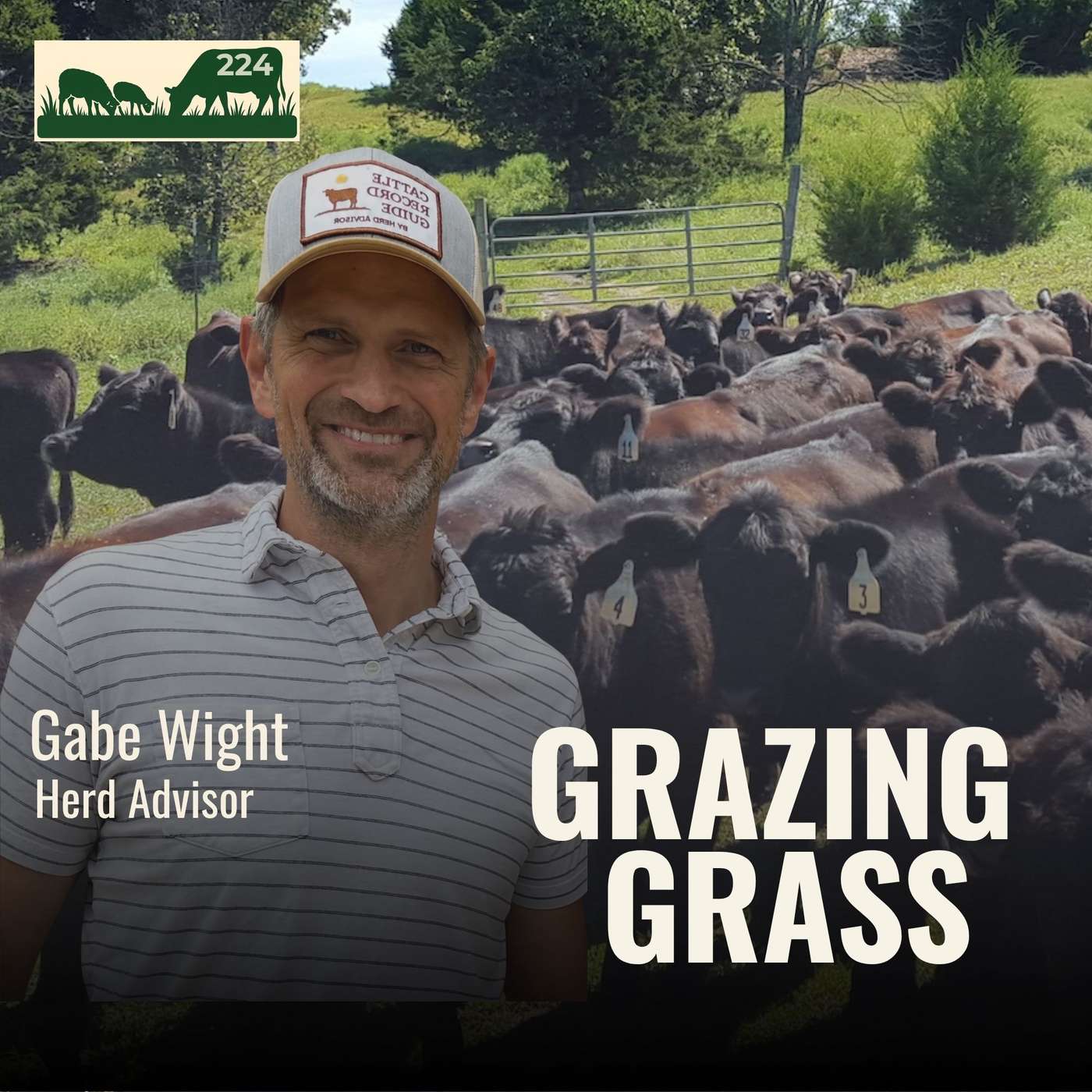
PermaNews Brief
Key Takeaways
Gabe Wight shares strategies to create a profitable, sustainable grazing operation through herd downsizing and improved management practices.
- Reducing herd size boosts profitability
- Stock density impacts pasture recovery
- Rotational grazing enhances land stewardship
- Utilizing chicken litter improves fertility
- Direct-to-consumer options increase market value
Why It Matters
This episode provides actionable insights on profitability and land management, crucial for modern grazing operations seeking sustainability.
What to Do Next
Listen to the episode for comprehensive insights on grazing management.
Permaculture Context
Gabe Wight's experience offers something rare in regenerative agriculture circles: a honest reckoning with the ego-driven impulse to scale up. For permaculture practitioners, the deeper lesson here isn't about cattle at all — it's about right-sizing your system to match your actual capacity, energy, and land base. The permaculture principle of obtaining a yield means nothing if the yield comes at the cost of soil health, personal bandwidth, or financial stability. Wight's pivot toward fewer animals, longer rest periods, and direct marketing aligns almost perfectly with zone-and-sector thinking: manage what's closest and most intensive with the greatest care, and let the land's natural recovery cycles do the heavy lifting. For anyone building a resilient homestead or small farm, this signals a critical design truth — complexity doesn't equal sophistication, and a leaner, well-observed system consistently outperforms an ambitious but overstretched one. The flashlight farmer who pays close attention to forty acres will outperform the distracted manager of four hundred, every time.
Recommended for: Farmers and grazers interested in sustainable practices and profitability.
In this episode, Cal visits with Gabe Wight from Northwest Arkansas about building a profitable grazing operation while simplifying life and focusing on long-term stewardship. Gabe shares how he reduced his herd size from several hundred cows to around forty cows and how that shift dramatically changed his grazing management, stress level, and profitability. Gabe discusses lessons learned from overgrazing, why stock density matters, and how smaller herds allowed him to improve pasture recovery, calf performance, and equipment longevity. The conversation also covers rotational grazing design, water placement, erosion challenges, fertilizer decisions, chicken litter, stockpiling forage, and managing grazing through seasonal changes. The discussion shifts into cattle genetics, breeding strategies, marketing calves through value-added programs, direct-to-consumer beef sales, and the importance of focusing on profitability instead of comparison with neighboring operations. Gabe also shares how his curiosity, podcasts, feed store conversations, and modern AI tools help him continue learning and improving his operation. Topics Covered Downsizing a cow herd for profitability Flashlight farming and balancing off-farm work Rotational grazing management Recovering from overgrazing Designing paddocks and water systems Stockpiling forage for winter grazing Fertility management and fertilizer decisions Using chicken litter on pastures Cattle genetics and replacement strategies Selling calves through value-added programs Direct-to-consumer beef experiences Learning from podcasts, books, and AI tools Managing grazing in Northwest ArkansasFind Out MoreHerd Advisor
Looking for grass-based breeders? Explore the Grass Based Genetics directory.Visit our Sponsors:Noble Research InstituteRedmond Agriculture Grassroots CarbonGrazing Grass LinksWebsiteCommunity (on Facebook)Original Music by Louis Palfrey
Source: grazinggrass.com
Related Analysis
- Composting Advice Shifts From Chemistry to Microbial Biology — Several sources suggest composting guidance is pivoting from nutrient ratios toward microbial ecology—reframing what "go…
- Does Growing Your Own Food Actually Save Money? The Real Numbers — Most home gardens save money by year two — but only if the right crops are planted. Herbs and salad greens deliver 5–10x…
Related on PermaNews
- Ernst Götsch's Cacao Syntropy: Master Agroforestry Now (How-To Guide)
- Finnish Off-Grid: Rocket Mass Heater Performance in Greenhouse (Case Study)
- Berlins schwimmende Gärten: Permakultur auf dem Wasser (Case Study)
- Rodale Report 2025: Thermal Mass Boost in Solar Greenhouses (Case Study)
- AUTarcaMatricultura La Palma: Permakultur & Energieautarkie (How-To Guide)
- Earthaven Ecovillage: 30 Years Off-Grid with Hydro & Solar (Video)
Explore more in Food Systems & Growing — the full hub for this knowledge area.