Self Suffishing Me's Drunken Sailor Fishing Method Revealed
By Self Suffishing Me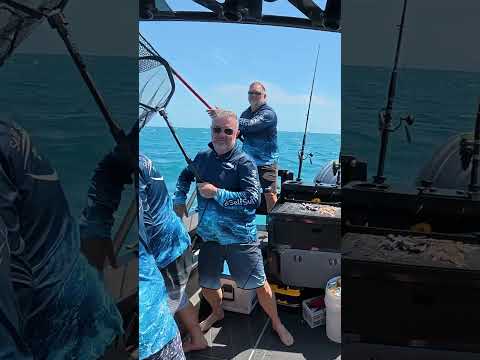
TL;DR: Improvise fishing gear from everyday items when conventional equipment is unavailable, using buoyant objects, makeshift lines, and improvised hooks for successful catches.
- Utilize readily available materials for lines and floats.
- Create hooks from found objects like paperclips or thorns.
- Adapt casting methods to suit improvised gear.
- Focus on durability and length for effective lines.
- Buoyancy helps with bait depth and line retrieval.
Why it matters: This method offers a practical solution for survival or impromptu fishing situations, maximizing resourcefulness.
Do this next: Gather common items like string, buoyant objects, and potential hook materials to practice improvisation.
Recommended for: Those interested in survival skills, improvisation, or fishing without specialized gear.
The "Drunken Sailor Hat Overboard Fishing" method, as described by Self Suffishing Me, presents an unconventional yet effective approach to fishing, particularly when traditional methods are impractical or unavailable. This technique is designed for situations where a fishing rod might be broken, lost, or simply not present, and the angler needs to improvise with readily available materials. The core principle revolves around creating a functional fishing line and lure using items that one might typically have on hand, even in a survival or impromptu scenario.
The process begins with the selection of a suitable line. While actual fishing line is ideal, the method emphasizes improvisation. Strong string, thin rope, or even unravelled threads from clothing can serve as a substitute. The key is to find something durable enough to withstand the pull of a fish. The length of the line is also crucial; it needs to be long enough to cast a reasonable distance and allow the fish to take the bait without immediately feeling resistance from the angler.
Next comes the "hat" component, which is not necessarily a literal hat but rather a representation of a buoyant object that can act as a float or a marker. In the absence of a traditional bobber, a small piece of wood, a cork, or even a crumpled piece of plastic can be used. This float serves multiple purposes: it keeps the bait at a desired depth, indicates when a fish is biting, and can help in retrieving the line if it drifts away. The "overboard" aspect refers to the casting method, which is often a simple toss of the line and bait into the water, rather than a precise cast with a rod.
The most creative part of this method lies in the construction of the lure or hook. Since a conventional hook might not be available, the angler must fashion one from found objects. This could involve bending a paperclip, sharpening a piece of bone or wood, or even using a thorn from a plant. The effectiveness of this improvised hook depends on its sharpness and its ability to hold onto the fish's mouth. The bait itself can be anything edible that fish in the area are likely to consume, such as insects, worms, small pieces of fruit, or even bits of leftover food.
The "drunken sailor" descriptor alludes to the somewhat haphazard and unconventional nature of the technique. It's not about precision or finesse, but rather about resourcefulness and adaptability. The casting might be less accurate, the retrieve less smooth, and the overall process less refined than traditional fishing. However, the method prioritizes functionality and the ability to catch fish in challenging circumstances.
Once the line, float, and lure are assembled, the angler casts the setup into the water. The waiting game then begins, similar to any other form of fishing. The float acts as a visual indicator of a bite, and the angler must be attentive to any movement or tugging. Retrieving the fish involves carefully pulling the line in, hand over hand, ensuring that the improvised hook holds and the line doesn't snap.
This technique is particularly valuable in survival situations or when camping or hiking without specialized gear. It highlights the importance of understanding basic fishing principles and being able to apply them with whatever materials are at hand. The "Drunken Sailor Hat Overboard Fishing" method is a testament to human ingenuity and the ability to adapt to unforeseen challenges, demonstrating that with a bit of creativity, one can still secure food even without conventional tools. It underscores a philosophy of self-reliance and making the most of limited resources, a core tenet often associated with permaculture and sustainable living practices.
Source: youtube.com
Related Analysis
- Farmers Convert Six Weeks of Rhubarb Into 25-Year Supply — Initial signals suggest a rhubarb preservation technique can extend a brief seasonal harvest into 25 years of storage—a …
- Compost Builds Soil Microbiomes—But Human Waste Divides Practitioners — A small but consistent set of signals indicates composting's soil benefits are well-documented, while human-waste compos…
Related on PermaNews
- Autarke Solar-Wind-Systeme: LiFePO4 Batterie-Management-Guide (How-To Guide)
- Holmgren's RetroSuburbia: Permaculture for Resilient Living (Article)
- Turn 6 Weeks of Rhubarb Into 25 Years of Storage (Video)
- Turn 6 Weeks of Rhubarb Into 25 Years of Storage (Video)
- Full Garden Tour For May 2026! GROWING 99% Of Our Fresh Food In Containers (Video)
- The Chicken Tractor That Does EVERYTHING (Free Plans) (Video)
Explore more in Food Systems & Growing — the full hub for this knowledge area.