Saving Our Seeds
By KQED QUEST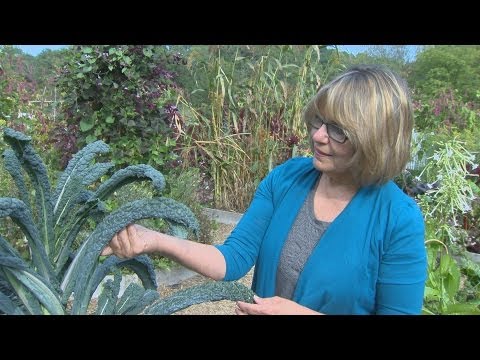
PermaNews Brief
Key Takeaways
Preserving diverse seed varieties enhances food system resilience and biodiversity.
- Seed saving combats narrowing crop diversity
- Heirloom seeds preserve agricultural heritage
- Diversity acts as a cushion against climate stress
- Seed stewards ensure future adaptability in crops
- Community organizations enhance local seed sovereignty
Why It Matters
Maintaining diverse heirloom seeds supports ecological resilience and food security, safeguarding against vulnerabilities due to climate change and commercial farming uniformity.
What to Do Next
Explore seed saving by joining a local seed exchange group.
Permaculture Context
For anyone serious about building genuine food sovereignty at the homestead or community scale, seed saving is not optional — it is foundational infrastructure. The narrowing of commercial crop genetics is not an abstract concern; it is a direct threat to the local adaptation work that defines good permaculture practice. When you select seeds from plants that thrived in your specific soil, survived your particular frost dates, or resisted the pest pressure unique to your microclimate, you are doing something no commercial seed catalog can do for you. You are breeding forward, accumulating biological intelligence that compounds over seasons. Connecting with organizations like Seed Savers Exchange accelerates this process by giving practitioners access to genetic starting points that have already demonstrated resilience across diverse growing conditions. The practical implication is this: every variety you save and share strengthens the distributed, decentralized seed commons that industrial agriculture cannot replicate or control. Begin with three or four open-pollinated staples, learn proper isolation and storage, and treat your seed collection as the most important long-term investment on your land.
Recommended for: Individuals interested in sustainable farming and food security.
This video presents seed saving as part of a broader effort to protect agricultural biodiversity and reduce risk in the food supply. It highlights the concern that crop diversity is narrowing and that this loss creates vulnerability, especially when a smaller set of commercial varieties dominates production. The video explains that Seed Savers Exchange promotes heirloom seeds that might otherwise be lost, linking seed saving to active preservation rather than passive nostalgia. For practitioners, the useful takeaway is that seed stewardship has both ecological and practical value: maintaining heirloom lines helps keep genetic options available for future growing conditions, local adaptation, and resilience in food systems. The video is framed around the idea that diversity itself is a form of insurance, because different seed lines can respond differently to stress, climate variability, and site-specific conditions. Although the clip is shorter and less detailed than a written guide or a project report, it is still relevant for audiences seeking current messaging about seed sovereignty, biodiversity, and the role of community seed organizations. Its value is strongest as a concise overview that connects seed saving to the protection of food-system resilience and heritage plant material.
Source: youtube.com
Related Analysis
- Baltimore Researchers Reject Yield as Urban Farm Success Metric — Several sources suggest urban agriculture is being recast from food supplement to food sovereignty tool, with peer-revie…
- Urban Food Forest Tours Signal Shift From Passive Gardens — Several initiatives indicate urban food forests are evolving into hands-on design and education hubs — distinct from con…
Related on PermaNews
- PRI Jordan: Arid Zone Permaculture Yields 5 Tons/Hectare (Case Study)
- Aboriginal Cool Burns: Permaculture's Ancient Fire Wisdom (Case Study)
- Crop Rotation Boosts Soil Biodiversity: Global Meta-analysis (Article)
- Reviving the Aravallis: A Journey into Regenerative Agriculture (Video)
- 10 Dryland Crops Boosting Biodiversity and Food Security (Article)
- Insecticides Gravely Threaten Honey Bee Gut Microbiome, Study Findings Expand on Previous Research (Article)
Explore more in Food Systems & Growing — the full hub for this knowledge area.