Reviving Ancient Spuds: Potato Slip Propagation for Resilience
By RED Gardens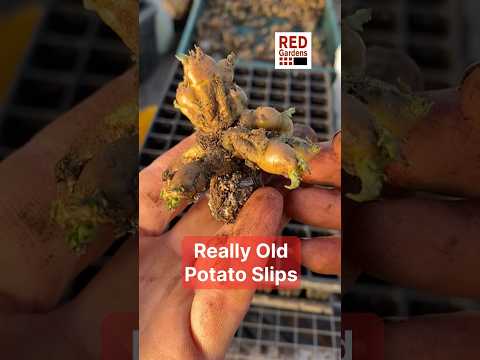
TL;DR: Old potato sprouts can be salvaged and grown into new plants, offering a resilient propagation method for maximizing food production.
- Utilize aged potatoes with sprouts for new plant propagation.
- Gently detach potato slips, even if they appear weak.
- Provide a moist environment for slip root development.
- Transplant rooted slips to grow new potatoes.
- This method enhances resilience and resourcefulness in gardening.
Why it matters: This method offers a practical solution for gardeners to overcome resource limitations and reduce waste by transforming seemingly unusable potatoes into viable planting material, thereby bolstering food security.
Do this next: Carefully detach sprouts from an old potato and place them in water or moist potting mix to encourage rooting.
Recommended for: Home gardeners and permaculture enthusiasts interested in resourceful propagation and maximizing yields from existing produce.
The article from Red Gardens discusses a method of propagating potatoes, specifically focusing on the use of very old potato slips. This technique highlights a practical approach to gardening resilience, particularly when faced with limited resources or the need to maximize the use of existing plant material. The core idea revolves around taking potato slips, which are essentially sprouts or shoots that emerge from the potato eyes, and using them to grow new potato plants.
The process begins with potatoes that have been stored for an extended period, often to the point where they have developed long, sometimes spindly, sprouts. While some might discard such potatoes, viewing them as past their prime for direct planting as whole tubers, this method reclaims their viability. Instead of planting the entire potato, which might be too large or potentially carry disease if the potato itself is deteriorating, the focus shifts to the vigorous new growth.
The first step involves carefully detaching these sprouts from the parent potato. The article implies that these sprouts, even if they appear somewhat weak due to age, still possess the genetic material and energy to initiate new growth. The key is to handle them gently to avoid damaging the nascent root structures or growth points. Once separated, these slips are then prepared for planting.
A crucial aspect of this propagation method is providing the slips with an environment conducive to root development. This often involves placing them in a medium that offers moisture and support. Common practices include placing the slips in water, where roots can quickly emerge, or directly into a moist, sterile potting mix. The article suggests that even very old slips, despite their appearance, can readily form roots under the right conditions. This demonstrates the inherent resilience of the potato plant.
Once the slips have developed a sufficient root system, they are ready for transplanting into a more permanent growing location, such as a garden bed or larger container. The article implicitly advocates for providing them with good quality soil, adequate sunlight, and consistent moisture, similar to how one would cultivate potatoes grown from seed potatoes or chitted tubers. The success of this method hinges on the plant's ability to transition from a small slip to a robust plant capable of producing a harvest.
This technique offers several advantages. Firstly, it maximizes the use of existing resources, preventing waste by utilizing potatoes that might otherwise be discarded. This aligns with permaculture principles of reducing waste and optimizing resource utilization. Secondly, it can be a cost-effective way to expand a potato crop without needing to purchase new seed potatoes, which can be particularly beneficial for small-scale growers or those on a budget. Thirdly, it demonstrates the adaptability and regenerative capacity of common food plants, reinforcing the idea that even seemingly spent resources can be given new life.
The article's use of hashtags like propagation, chitting, and resilience further emphasizes these points. Propagation directly refers to the method of creating new plants from existing ones. Chitting, while typically referring to the process of encouraging sprouts on whole seed potatoes before planting, is relevant here in the sense that the slips are essentially pre-sprouted material. Resilience highlights the plant's ability to thrive and reproduce even from older, less ideal starting material, showcasing the inherent robustness of the potato.
In essence, the Red Gardens article provides a practical guide to a resourceful potato propagation method. It underscores the potential for gardeners to cultivate new plants from seemingly old or discarded material, promoting sustainability, resourcefulness, and a deeper understanding of plant biology and resilience in a gardening context.
Source: youtube.com
Related Analysis
- Farms Build Resilience, Pivot to Regenerative Soil — New initiatives and analysis explicitly frame regenerative agriculture as a direct solution for climate resilience, focu…
- Federal Policy Pivots, Builds Indigenous Agriculture Frameworks — Federal policy trends are integrating Indigenous knowledge with soil science in regenerative agriculture, shifting polic…
Related on PermaNews
- Autarke Permakultur-Siedlung: Solar-Wind & Redox-Flow-Speicher (Case Study)
- Holmgren's RetroSuburbia: Permaculture for Resilient Living (Article)
- You Need To Grow Passion Fruit/The Most Prolific Fruit Ever! You Don't Even Need To Buy The Seeds (Video)
- Appalachian Mending: Sewing Survival for Resilience (How-To Guide)
- Ep. 433: Food System Fragility Exposed & Solutions (Video)
- Retrofitting Suburbia: Holmgren's Energy Descent Manual (How-To Guide)
Explore more in Food Systems & Growing — the full hub for this knowledge area.