WHO Agency: Atrazine Likely Carcinogenic to Humans
PermaNews Brief
Key Takeaways
The WHO’s cancer agency now classifies atrazine, a common herbicide, as a probable human carcinogen, prompting re-evaluation of its safety.
- Atrazine is now a "probable human carcinogen" (Group 2A).
- Classification based on extensive human and animal studies.
- Second most used herbicide in the United States.
- Raises concerns about environmental and human exposure.
- Could lead to stricter regulations and usage policies.
Why It Matters
This reclassification by a major health authority provides a strong scientific basis for governments and agricultural bodies to reconsider atrazine’s use and exposure limits, impacting public health and environmental policies.
What to Do Next
Research local water quality reports for atrazine levels in your area and consider water filtration if concerned.
Recommended for: Anyone in agriculture, environmental policy, public health, or individuals concerned about food and water safety.
The World Health Organization's cancer research division has recently categorized atrazine, a widely used herbicide, as a probable human carcinogen. This classification by the International Agency for Research on Cancer (IARC) places atrazine in Group 2A, indicating strong evidence suggesting a link to cancer in humans, though not yet definitive. This decision follows a comprehensive review of scientific literature by IARC's working group, which evaluated numerous studies on atrazine's effects on human health and animal models.
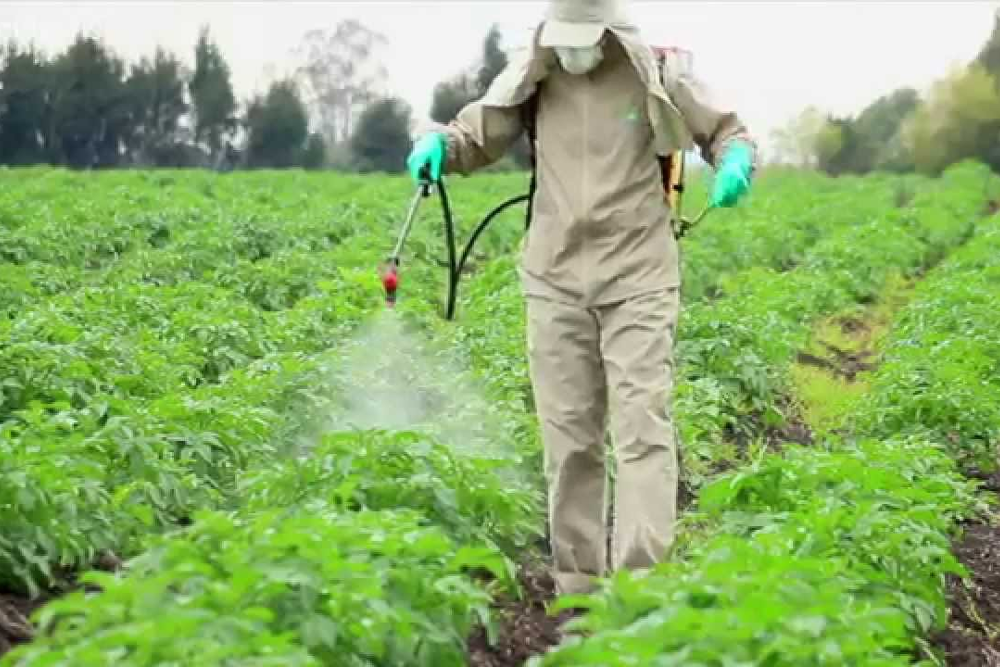
Atrazine is the second most frequently applied herbicide in the United States, primarily used in corn, sorghum, and sugarcane cultivation. Its widespread use has led to concerns about environmental contamination, particularly in agricultural regions, and potential human exposure through various pathways, including drinking water and food. The IARC's new classification highlights these concerns, suggesting that individuals living in or near areas with heavy atrazine application may face increased health risks.
The IARC's assessment considered both epidemiological studies on human populations and experimental studies on animals. While human studies often present challenges in isolating the effects of a single chemical due to multiple exposure factors, the agency found sufficient evidence from animal studies to support the "probably carcinogenic" designation. These animal studies frequently demonstrated tumor formation in various organs following exposure to atrazine.
This reclassification by a prominent international health authority is significant because it provides a strong scientific basis for re-evaluating regulatory standards and public health policies concerning atrazine. It could prompt regulatory bodies in different countries to reconsider the permissible levels of atrazine in water and food, as well as its overall approval for agricultural use. Historically, IARC classifications have often influenced national regulatory decisions and public discourse on chemical safety.
The implications of this classification extend beyond immediate health concerns. It could fuel further research into alternative weed control methods that are less harmful to human health and the environment. It also underscores the ongoing debate about the balance between agricultural productivity and public health safety, particularly in the context of synthetic chemical use in farming. Environmental and consumer advocacy groups are likely to leverage this new classification to press for stricter regulations or even a ban on atrazine, similar to actions taken in the European Union where the herbicide has been prohibited for several years due to environmental and health concerns.
For farmers, this development might necessitate a shift in agricultural practices, potentially leading to increased costs or changes in crop management strategies if atrazine becomes more restricted or unavailable. The agricultural industry, which has long defended atrazine's safety and efficacy, will likely face renewed pressure to address these concerns and explore sustainable alternatives. The IARC's decision serves as a critical update to the scientific understanding of atrazine's potential health impacts, reinforcing the need for continuous vigilance and adaptation in chemical regulation and agricultural practices.
Source: organicconsumers.org
Related Analysis
- Food Forest Courses Shift From Theory to Build-Ready Skills — Several food forest courses now open with site assessment and guild-building rather than design theory, suggesting a dev…
- Practitioners Build Silvopasture Playbook Before Researchers Catch Up — A small but consistent set of signals from the Northeast U.S. shows farmers actively piloting silvopasture while formal …
Related on PermaNews
- Building Resilient Soils: Planning & Resources for Extreme Weather Events (Event)
- Rodale Institute's 50-Year Regenerative Organic Journey (Article)
- Rodale FST: 40+ Years of Organic vs. Conventional Farming (Case Study)
- Seed Saving: A Revolutionary Act for Biodiversity & Food (Article)
- Biodynamic Preparation Workshop with Vincent Masson: 17th September (12:00 pm) to September 18th (6:00 pm) 2026, Emerson College, East Sussex (Event)
- Pest Management for Organic Farming Systems in Florida (Event)
Explore more in Food Systems & Growing — the full hub for this knowledge area.