Organic vs. Chemical Farming: Health & Planet Impact
By Ricardo Orlando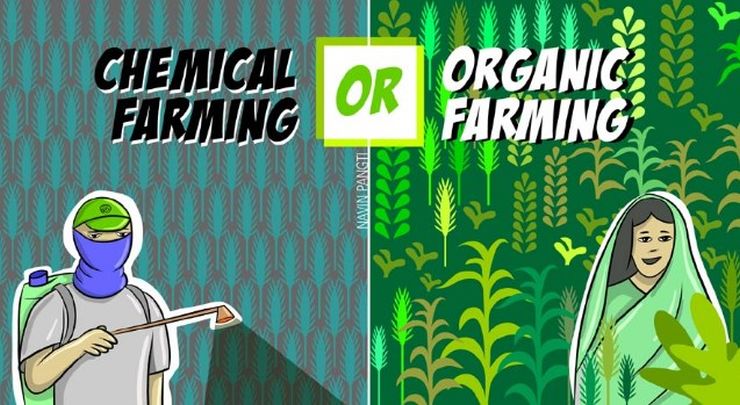
PermaNews Brief
Key Takeaways
Organic farming offers a sustainable alternative to chemical agriculture, mitigating environmental damage and potential health risks associated with conventional practices.
- Chemical farming boosts yields but harms ecosystems and human health.
- Organic methods prioritize ecological balance and long-term sustainability.
- Pesticide runoff contaminates water and degrades soil quality.
- Synthetic fertilizers increase greenhouse gas emissions.
- Long-term health effects of chemical residues are a growing concern.
Why It Matters
The choice between chemical and organic farming profoundly impacts our planet's health, food safety, and future agricultural sustainability.
What to Do Next
Research local organic farms and consider sourcing some of your produce directly from them.
Recommended for: Anyone interested in the environmental and health implications of food production and sustainable alternatives.
The article provides a comprehensive comparison between conventional chemical farming and organic farming, examining their respective impacts on both human well-being and ecological systems. It highlights that while chemical farming is widespread and often perceived as an economical and straightforward method for large-scale agricultural production, it carries significant drawbacks.
Conventional agriculture, which predominantly relies on synthetic fertilizers, pesticides, and herbicides, is currently the dominant approach in food production. This method is often favored for its capacity to maximize yields and minimize costs, thereby contributing to the broad availability of food products in commercial markets. However, the article suggests that these apparent advantages come with substantial environmental and health costs. The use of synthetic chemicals in farming can lead to various environmental problems. For instance, agricultural runoff containing chemical fertilizers can contaminate water sources, leading to eutrophication and harming aquatic ecosystems. Pesticides and herbicides, designed to eliminate pests and weeds, can also have unintended consequences, negatively affecting beneficial insects, soil microorganisms, and wildlife. The long-term accumulation of these chemicals in the soil can degrade its quality, reducing its fertility and overall health. Furthermore, the energy-intensive production of synthetic fertilizers contributes to greenhouse gas emissions, exacerbating climate change concerns.
From a human health perspective, the article indicates that exposure to residues of pesticides and other chemicals in conventionally grown food is a significant concern. While regulatory bodies establish limits for these residues, ongoing debates persist regarding their cumulative effects and potential long-term health implications, including possible links to various chronic diseases and developmental issues. The nutritional content of conventionally grown produce is also a point of discussion, with some research suggesting differences when compared to organically grown alternatives.
In contrast, organic farming is presented as an alternative approach that prioritizes ecological balance and sustainability. This method avoids synthetic chemicals, relying instead on natural processes and inputs. Key practices in organic farming include crop rotation, composting, the use of natural pest control methods, and fostering biodiversity. These practices aim to build healthy soil, which is considered the foundation of a robust agricultural system. Healthy soil, rich in organic matter and microbial life, can better retain water, resist erosion, and provide essential nutrients to plants without the need for synthetic supplements.
The environmental benefits of organic farming are numerous. By avoiding synthetic pesticides and fertilizers, organic farms reduce water pollution, protect biodiversity, and minimize greenhouse gas emissions associated with chemical production. The emphasis on soil health also contributes to carbon sequestration, where carbon dioxide is drawn from the atmosphere and stored in the soil, helping to mitigate climate change. Organic farming practices often promote a more diverse agricultural landscape, supporting pollinators and other beneficial organisms.
Regarding human health, organic farming is often associated with food that is free from synthetic pesticide residues. While the nutritional superiority of organic produce over conventional produce is a subject of ongoing scientific inquiry, the absence of synthetic chemicals is frequently cited as a primary health benefit. The article suggests that while organic farming may sometimes involve higher production costs and potentially lower yields compared to chemical farming, its long-term benefits for environmental sustainability and human health make it a compelling alternative. The discussion underscores a fundamental tension between the efficiency and cost-effectiveness of conventional agriculture and the ecological and health advantages offered by organic methods.
Source: urbanfarmonline.com
Related Analysis
- Regenerative Farmers Flip Cover Crop Logic From Compliance to Profit — Practitioner accounts and a new meta-analysis suggest cover cropping is being reframed from conservation practice to pro…
- Farmers Convert Six Weeks of Rhubarb Into 25-Year Supply — Initial signals suggest a rhubarb preservation technique can extend a brief seasonal harvest into 25 years of storage—a …
Related on PermaNews
- Rodale Institute's 50-Year Regenerative Organic Journey (Article)
- Rodale FST: 40+ Years of Organic vs. Conventional Farming (Case Study)
- Seed Saving: A Revolutionary Act for Biodiversity & Food (Article)
- Regenerative Crops: Avocados, Citrus, Strawberries Summit (Event)
- La Junquera's Keyline Design: Water Retention & Climate Resilience (Video)
- Global Summit: Organic Farming & Resilient Agriculture (Event)
Explore more in Food Systems & Growing — the full hub for this knowledge area.