PINA: Seeds of Resilience in Permaculture Systems
By Permaculture Institute of North America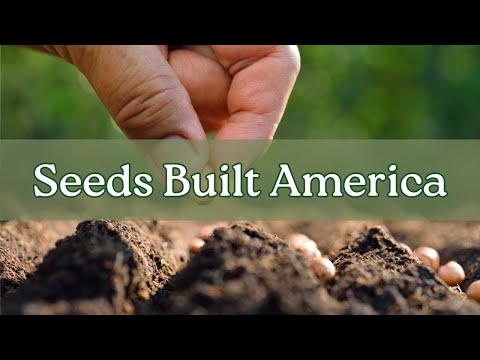
TL;DR: Seed diversity is crucial for resilient permaculture systems amidst industrial control of commercial seeds.
- Seeds are key for biodiversity and food security.
- Industrial seeds reduce genetic diversity and farmer autonomy.
- Seed saving builds resilience and local food systems.
- Policy and community action protect seed commons.
- Permaculture prioritizes diverse, locally adapted seeds.
Why it matters: Maintaining diverse seed varieties is essential for ecosystem health, food independence, and adapting to climate change.
Do this next: Explore local seed saving groups or initiatives in your area.
Recommended for: Gardeners, farmers, and advocates interested in sustainable food systems and biodiversity.
The Permaculture Institute of North America (PINA) recently published an article titled "Seeds of Resilience," which explores the fundamental role of seeds in permaculture systems and their broader implications for ecological and societal well-being. The piece emphasizes that seeds are not merely a means of propagation but represent a critical nexus of biodiversity, food security, and community self-reliance.
The article begins by highlighting the inherent intelligence and adaptability contained within seeds. It explains that each seed carries the genetic blueprint for a plant, embodying millennia of evolutionary adaptation to specific environments. This genetic diversity is presented as a cornerstone of resilient ecosystems, allowing plants to withstand various challenges such as pests, diseases, and changing climatic conditions. In a permaculture context, this translates to selecting and cultivating a diverse range of seeds that are well-suited to local conditions, thereby reducing reliance on external inputs and fostering robust, self-sustaining food systems.
A significant portion of the article is dedicated to the historical and ongoing shift from open-pollinated, heirloom varieties to commercially produced hybrid and genetically modified seeds. PINA expresses concern over the consolidation of the seed industry into the hands of a few large corporations. This trend, the article argues, leads to a reduction in genetic diversity as companies prioritize traits that benefit industrial agriculture, often at the expense of regional adaptability and nutritional value. The article points out that this industrial approach to seeds can create a dependency on external suppliers for farmers, undermining their autonomy and increasing their vulnerability to market fluctuations and supply chain disruptions.
The concept of seed saving is presented as a vital practice for permaculturists and a powerful act of resistance against this industrialization. By saving seeds from successful plants, growers can select for desirable traits that thrive in their specific microclimates, continually adapting their crops to local conditions. This practice not only preserves genetic diversity but also fosters a deeper connection between growers and their food sources. It transforms seeds from a commodity into a shared resource, embodying a spirit of collaboration and community resilience. The article suggests that seed saving is a practical application of permaculture principles, such as "produce no waste" and "obtain a yield," by ensuring the continuity of plant life and food production.
Furthermore, "Seeds of Resilience" delves into the social and cultural dimensions of seeds. It discusses how seeds have historically been exchanged within communities, forming the basis of cultural traditions, knowledge sharing, and social cohesion. The article laments the erosion of these traditional practices due to the commercialization of seeds and advocates for a revival of seed libraries, seed swaps, and community-based seed banks. These initiatives are portrayed as crucial for empowering local communities to regain control over their food systems and to safeguard agricultural heritage.
The article also touches upon the economic implications of seed choices. It argues that investing in locally adapted, open-pollinated seeds can lead to greater economic stability for small-scale farmers and gardeners. By reducing the need to purchase new seeds every season, growers can lower their input costs and increase their profitability. Moreover, the cultivation of diverse, resilient crops can provide a buffer against economic shocks, ensuring a more consistent food supply even in challenging times.
In conclusion, PINA's "Seeds of Resilience" article serves as a comprehensive exploration of the multifaceted importance of seeds within the permaculture framework. It underscores that seeds are not just biological entities but are deeply intertwined with ecological health, food sovereignty, economic stability, and cultural heritage. The piece advocates for a conscious return to practices that honor and protect seed diversity, such as seed saving and community seed initiatives, as essential steps towards building truly resilient and sustainable human systems.
Source: youtube.com
Related Analysis
- Farmers Convert Six Weeks of Rhubarb Into 25-Year Supply — Initial signals suggest a rhubarb preservation technique can extend a brief seasonal harvest into 25 years of storage—a …
- Compost Builds Soil Microbiomes—But Human Waste Divides Practitioners — A small but consistent set of signals indicates composting's soil benefits are well-documented, while human-waste compos…
Related on PermaNews
- Ernst Götsch's Cacao Syntropy: Master Agroforestry Now (How-To Guide)
- Finnish Off-Grid: Rocket Mass Heater Performance in Greenhouse (Case Study)
- Berlins schwimmende Gärten: Permakultur auf dem Wasser (Case Study)
- Autarke Permakultur-Siedlung: Solar-Wind & Redox-Flow-Speicher (Case Study)
- Rodale Report 2025: Thermal Mass Boost in Solar Greenhouses (Case Study)
- AUTarcaMatricultura La Palma: Permakultur & Energieautarkie (How-To Guide)
Explore more in Food Systems & Growing — the full hub for this knowledge area.