Chinese Mugwort: Permaculture Powerhouse & Medicine Plant
By Discover Permaculture with Geoff Lawton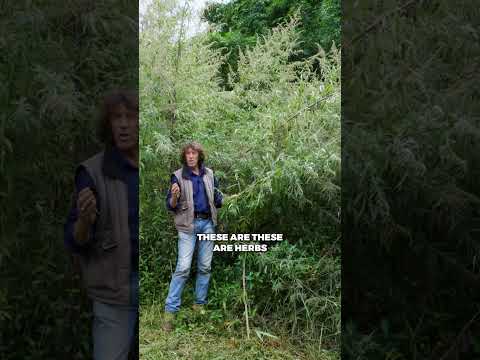
PermaNews Brief
Key Takeaways
Chinese mugwort is a versatile plant with medicinal properties and permaculture benefits, including robust growth and adaptability.
- Chinese mugwort offers medicinal, cultural, and permaculture benefits.
- It is used in traditional Chinese medicine for various ailments.
- The plant acts as an excellent groundcover and weed suppressor.
- It thrives in diverse soil conditions and is drought-tolerant.
- Mugwort holds cultural significance for protection and purification.
Why It Matters
Understanding the diverse applications of Chinese mugwort can enrich permaculture practices and broaden perspectives on natural health solutions.
What to Do Next
Explore local sources for Chinese mugwort to incorporate its benefits into your garden.
Recommended for: Gardeners, herbalists, and permaculture enthusiasts interested in multifunctional plants and traditional remedies.
Chinese mugwort, also known as *Artemisia vulgaris* or *Artemisia argyi*, is a versatile plant with a rich history of use in traditional medicine, particularly in China, and offers numerous benefits within a permaculture context. This perennial herb is recognized for its robust growth, adaptability, and a wide array of applications, making it a valuable addition to many gardens and landscapes.
One of the primary attributes of Chinese mugwort is its medicinal properties. In traditional Chinese medicine (TCM), it is highly regarded for its ability to warm the body, dispel cold, and regulate qi (life force). It is commonly used in moxibustion, a therapeutic technique where dried mugwort is burned near the skin to stimulate acupuncture points. This practice is believed to alleviate pain, improve circulation, and treat various conditions, including menstrual irregularities, infertility, and digestive issues. The plant's leaves and stems contain essential oils, flavonoids, and other bioactive compounds that contribute to its anti-inflammatory, antiseptic, and analgesic effects. It has also been traditionally employed as an anthelmintic to expel parasitic worms and as a digestive aid to stimulate appetite and relieve indigestion.
Beyond its medicinal uses, Chinese mugwort holds a significant place in cultural and spiritual practices. In some traditions, it is believed to possess protective qualities, warding off negative energies and evil spirits. Bundles of mugwort are sometimes hung at doorways or burned as incense during specific festivals and rituals to purify spaces and promote well-being. This cultural significance further underscores its long-standing relationship with human societies.
From a permaculture perspective, Chinese mugwort offers several practical advantages. Its vigorous growth habit makes it an excellent groundcover, helping to suppress weeds and reduce soil erosion. It can thrive in a variety of soil conditions and is relatively drought-tolerant once established, making it suitable for low-maintenance systems. The plant's deep taproot system can help break up compacted soil and bring up nutrients from deeper layers, improving soil structure and fertility over time.
Furthermore, Chinese mugwort can play a role in integrated pest management. Its strong aromatic compounds are thought to deter certain insect pests, potentially reducing the need for chemical interventions in the garden. While not a definitive pest repellent for all species, its presence can contribute to a more diverse and resilient ecosystem, supporting beneficial insects and creating a balanced environment.
The plant's biomass can also be utilized in various ways. The leaves and stems can be harvested and used as mulch, adding organic matter to the soil and retaining moisture. When composted, mugwort contributes valuable nutrients to the soil, enhancing its overall health and productivity. Its ability to grow rapidly and produce a substantial amount of plant material makes it a useful resource for building soil fertility and improving garden resilience.
In summary, Chinese mugwort is a multifaceted plant with a rich history of medicinal and cultural use, offering significant benefits within a permaculture framework. Its therapeutic properties, cultural significance, and practical applications in soil improvement, weed suppression, and pest management make it a valuable and versatile species for sustainable gardening and ecological design.
Source: youtube.com
Related Analysis
- Does Growing Your Own Food Actually Save Money? The Real Numbers — Most home gardens save money by year two — but only if the right crops are planted. Herbs and salad greens deliver 5–10x…
- Regenerative Farmers Flip Cover Crop Logic From Compliance to Profit — Practitioner accounts and a new meta-analysis suggest cover cropping is being reframed from conservation practice to pro…
Related on PermaNews
- Ernst Götsch's Cacao Syntropy: Master Agroforestry Now (How-To Guide)
- Finnish Off-Grid: Rocket Mass Heater Performance in Greenhouse (Case Study)
- Berlins schwimmende Gärten: Permakultur auf dem Wasser (Case Study)
- Rodale Report 2025: Thermal Mass Boost in Solar Greenhouses (Case Study)
- AUTarcaMatricultura La Palma: Permakultur & Energieautarkie (How-To Guide)
- Earthaven Ecovillage: 30 Years Off-Grid with Hydro & Solar (Video)
Explore more in Food Systems & Growing — the full hub for this knowledge area.