Grow Ashy Dogweed: Texas Native Horticulture Must-Have
By Crime Pays But Botany Doesn't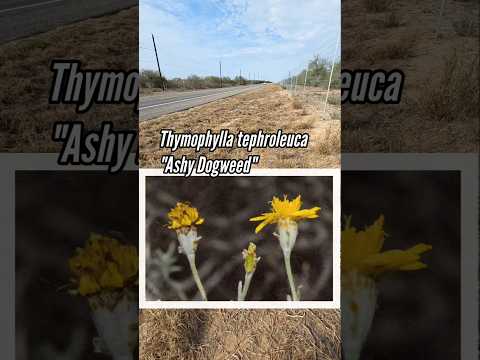
TL;DR: Ashy Dogweed is a Texas native perennial that offers significant drought resistance and supports pollinators, making it ideal for sustainable landscaping.
- Drought-tolerant plant for water-wise gardens.
- Supports diverse native pollinators.
- Thrives in sandy soils and sunny spots.
- Compact size suits various landscape uses.
- Silvery-gray foliage adds aesthetic appeal.
Why it matters: Incorporating Ashy Dogweed into landscapes directly aids water conservation and biodiversity efforts in drought-prone regions.
Do this next: Research local availability of Ashy Dogweed for your garden or community space.
Recommended for: Anyone interested in sustainable landscaping, water conservation, and supporting native ecosystems within arid or semi-arid regions.
The article advocates for the increased cultivation of Ashy Dogweed (Thymophylla tephroleuca) within Texas native plant horticulture, highlighting its significant ecological and aesthetic value. This plant, a member of the Asteraceae family, is a small, perennial herb native to the South Texas Sand Sheet ecoregion, particularly thriving in sandy soils and open, sunny environments. Its natural habitat is characterized by arid to semi-arid conditions, making it well-adapted to the challenging climate of South Texas.
One of the primary reasons for promoting Ashy Dogweed is its exceptional drought tolerance. As Texas faces increasingly frequent and severe drought conditions, plants that can thrive with minimal supplemental irrigation become crucial for sustainable landscaping. Ashy Dogweed's ability to withstand prolonged dry spells makes it an ideal candidate for xeriscaping and water-wise garden designs, contributing to water conservation efforts across the state.
Beyond its drought resilience, Ashy Dogweed offers considerable ecological benefits. It is a valuable nectar source for a wide array of native pollinators, including various species of bees and butterflies. Its small, bright yellow, daisy-like flowers, which bloom profusely from spring through fall, provide a consistent food source during much of the growing season. This extended bloom period is particularly important for supporting pollinator populations, which are facing significant declines due to habitat loss and pesticide use. By incorporating Ashy Dogweed into gardens and landscapes, individuals can directly contribute to biodiversity conservation and ecosystem health.
Aesthetically, Ashy Dogweed is described as a charming and attractive plant. Its compact growth habit, typically reaching only 6-12 inches in height, makes it suitable for various landscape applications, including rock gardens, borders, containers, and as a groundcover. The foliage is a distinctive silvery-gray, providing an interesting textural contrast to other green plants and enhancing visual appeal. This silvery hue is also an adaptation to its arid environment, helping to reflect sunlight and reduce water loss. The cheerful yellow flowers create a vibrant display, adding color and life to any garden setting.
The article also touches upon the ease of cultivation for Ashy Dogweed. It is generally low-maintenance once established, requiring minimal care beyond initial planting. It prefers full sun exposure and well-drained soil, mirroring its natural habitat. It is also reported to be relatively pest and disease resistant, further reducing the need for chemical interventions and promoting a more organic gardening approach. Its adaptability to poor, sandy soils means it can thrive in areas where many other ornamental plants struggle, making it a versatile choice for challenging sites.
Despite its numerous advantages, Ashy Dogweed is currently underutilized in commercial horticulture and home gardens. The article suggests that this lack of widespread adoption is partly due to a lack of awareness about its benefits and availability. It emphasizes the need for nurseries and plant retailers to increase their production and promotion of this native species. Educational initiatives targeting gardeners, landscape designers, and the general public are also crucial to highlight the ecological importance and practical advantages of incorporating Ashy Dogweed into Texas landscapes.
In conclusion, the article strongly advocates for the integration of Ashy Dogweed into Texas native plant horticulture. Its exceptional drought tolerance, significant pollinator support, aesthetic appeal, and ease of cultivation make it an invaluable plant for sustainable and ecologically responsible landscaping in the region. Increased awareness and availability are key to unlocking its full potential and contributing to healthier, more resilient Texas ecosystems.
Source: youtube.com
Related Analysis
- Farmers Convert Six Weeks of Rhubarb Into 25-Year Supply — Initial signals suggest a rhubarb preservation technique can extend a brief seasonal harvest into 25 years of storage—a …
- Compost Builds Soil Microbiomes—But Human Waste Divides Practitioners — A small but consistent set of signals indicates composting's soil benefits are well-documented, while human-waste compos…
Related on PermaNews
- Torfreduzierte Substrate: FNR-Praxistipps für Gärtner (How-To Guide)
- Profi-Baumschnitt: 14 Obstbäume im Fokus – Geheimnisse lüften (Video)
- Growers Daily 357: Broadfork Mastery & Potting Up Plants (Podcast)
- Nursery Profits: Perennials Outperform Annuals (Video)
- Starting Your Nursery? Essential First Steps for Success (Video)
- ACS Garden Business Course: Master Your Permaculture Venture (Article)
Explore more in Food Systems & Growing — the full hub for this knowledge area.