Rhodes' Lamb Castration Day: Homestead Flock Management
By Justin Rhodes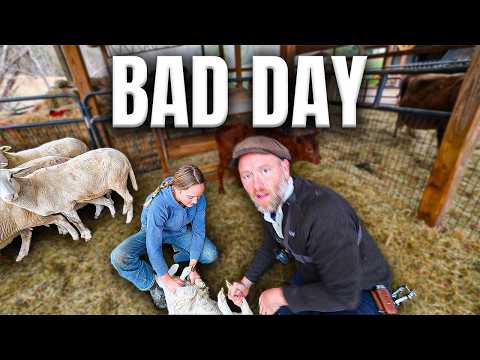
TL;DR: Castrating male lambs prevents inbreeding, improves meat quality, and promotesdocile flock management for healthier sheep.
- Prevents unintended breeding and inbreeding.
- Enhances meat quality by avoiding "ram taint".
- Increases docility and eases flock management.
- Uses elastrator tool for blood flow constriction.
- Contributes to genetic line improvement.
Why it matters: Castration of male lambs is a fundamental practice in sheep farming, ensuring genetic health, desirable meat characteristics, and safer, more efficient flock handling.
Do this next: Consider the optimal timing and methods for castration in your own flock management plan.
Recommended for: Sheep farmers and homesteaders seeking to optimize their flock management for health, temperament, and meat quality.
The article describes a day dedicated to the castration of male lambs, a common practice in sheep farming. The author, Justin Rhodes, details the process and the rationale behind it, emphasizing the importance of this procedure for the health and management of the flock.
The primary reason for castrating male lambs is to prevent unintended breeding. If uncastrated males, known as rams, are allowed to mature within the flock, they will inevitably breed with ewes, including their mothers and sisters. This can lead to inbreeding, which weakens the genetic line, increases the likelihood of genetic defects, and reduces the overall health and vigor of the flock. By castrating the male lambs, farmers can control the breeding process, selecting specific rams for breeding purposes to improve the flock's genetics and maintain desired traits.
Another significant benefit of castration relates to meat quality. Uncastrated male sheep, as they mature, develop a stronger, more gamey flavor in their meat, often referred to as "ram taint." This flavor is generally less desirable to consumers compared to the milder taste of meat from castrated males, known as wethers. Castration helps ensure a more consistent and palatable meat product, which is crucial for marketability and consumer satisfaction.
Furthermore, castrated males tend to be more docile and easier to manage. Rams, especially during breeding season, can become aggressive and territorial, posing a risk to other sheep and even to handlers. Wethers, on the other hand, are typically calmer, making them easier to handle during routine care, shearing, and transportation. This improved temperament contributes to a safer and more efficient farming operation.
The article outlines the method used for castration, which involves a tool called an elastrator. This device applies a tight rubber band around the base of the lamb's scrotum, above the testicles. The band constricts the blood flow to the testicles, causing them to atrophy and eventually fall off within a few weeks. This method is generally considered less invasive and less stressful than surgical castration, as it does not involve open wounds and carries a lower risk of infection.
The author emphasizes the importance of performing the procedure when the lambs are young, typically within the first few weeks of life. At this age, the lambs are smaller, easier to handle, and their pain response is generally believed to be less severe. The article notes that while the procedure causes temporary discomfort, the lambs typically recover quickly and resume normal behavior within a short period.
The article also touches upon the ethical considerations surrounding animal husbandry practices. While acknowledging that castration is an uncomfortable procedure for the animals, the author presents it as a necessary practice for responsible sheep management, aiming to improve the overall health, welfare, and productivity of the flock in the long term. The decision to castrate is framed as a balance between short-term discomfort for the animal and long-term benefits for the entire flock and the farming operation.
In summary, the article provides a detailed explanation of why and how male lambs are castrated in sheep farming. It highlights the benefits of this practice in terms of preventing unwanted breeding, improving meat quality, and enhancing flock manageability, while also describing the specific method used and the timing considerations for the procedure. The underlying message is that castration, despite being an unpleasant task, is a fundamental aspect of sustainable and effective sheep farming.
Source: youtube.com
Related Analysis
- Farmers Convert Six Weeks of Rhubarb Into 25-Year Supply — Initial signals suggest a rhubarb preservation technique can extend a brief seasonal harvest into 25 years of storage—a …
- Compost Builds Soil Microbiomes—But Human Waste Divides Practitioners — A small but consistent set of signals indicates composting's soil benefits are well-documented, while human-waste compos…
Related on PermaNews
- Hydroponic Green Fodder: Saving Livestock in Hard Times (Video)
- Entropy Survival: Homestead Energy Independence Guide (How-To Guide)
- Improve Your Soil, Improve Your Garden (Video)
- Annual Organic Pig Harvest for Family Sustenance (Video)
- Garten-Stress? 5 einfache Schritte für Permakultur-Einsteiger (Video)
- Toby Hemenway's Permaculture Lacto-Fermentation Guide (How-To Guide)
Explore more in Food Systems & Growing — the full hub for this knowledge area.