Spring Ready: Essential Tool Care for Peak Performance
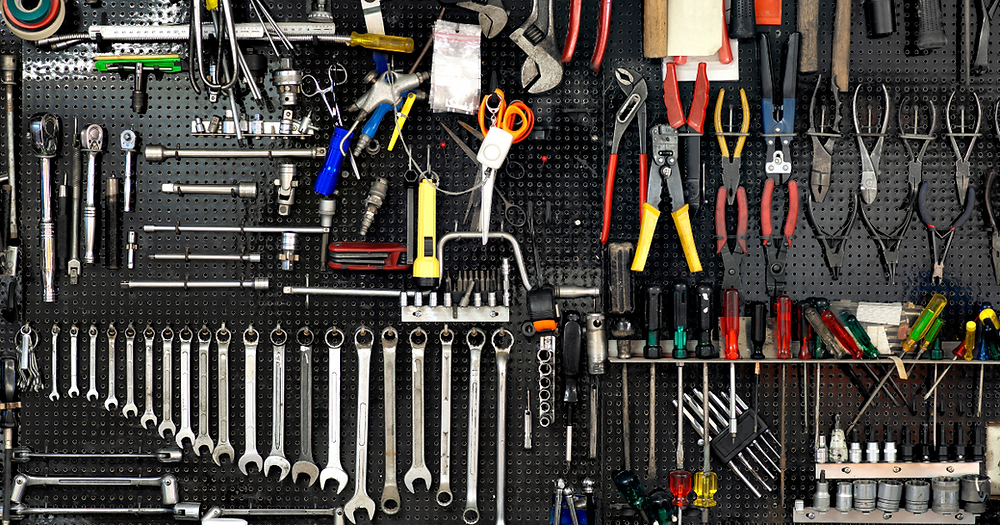
TL;DR: Regular tool maintenance through cleaning, inspection, and sharpening extends tool life and ensures readiness for demanding seasons.
- Clean tools after every use to remove dirt and grime.
- Inspect tools for wear, damage, and loose parts.
- Sharpen blades and cutting edges for optimal performance.
- Lubricate moving parts to prevent rust and friction.
- Store tools properly to protect them from elements.
Why it matters: Maintaining tools not only prevents premature wear and tear, saving money on replacements, but also ensures they perform efficiently and safely for every task.
Do this next: Set aside an hour this week to clean and inspect your most frequently used garden tools.
Recommended for: Gardeners, homesteaders, and anyone who wants to preserve their equipment and improve their work efficiency.
This comprehensive guide provides practical, step-by-step instructions for maintaining tools to ensure performance, longevity, and readiness for demanding seasons like spring. It emphasizes three core practices: cleaning as a ritual of renewal, thorough inspection to build a personal connection with tools, and sharpening for precision. For cleaning, gather materials including warm soapy water or mild detergent, a bucket or sink, brushes or scrubbing pads. The process involves: 1) Removing loose dirt and debris; 2) Soaking in soapy water; 3) Scrubbing with brushes to remove stubborn grime, paying special attention to joints and crevices; 4) Rinsing thoroughly; 5) Drying completely with clean cloths or air drying to prevent rust; 6) Applying protective lubricant like WD-40 or tool oil on metal parts; 7) Inspecting for damage, wear, or corrosion during cleaning; 8) Storing in a clean, dry environment using toolboxes, cabinets, or wall-mounted organizers away from moisture, humidity, or extreme temperatures. Inspection involves checking for visible wear, tear, loose parts, rust, or other damage, treating it as a conversation with tools that have stories from past projects. This fosters mindfulness and early detection of issues. Sharpening techniques vary by tool type: for blades like shovels or axes, use a mill bastard file at a 20-30 degree angle with smooth, even strokes away from the body, maintaining consistent bevel; for chainsaws, employ a round file matching chain pitch with a file guide for uniform depth gauges and proper angles. Lubrication is critical post-cleaning, applying light machine oil to moving parts like hinges, blades, and gears to prevent friction and corrosion. Storage tips include hanging tools to avoid blade dulling, using silica gel packs in toolboxes for humidity control, and labeling organizers for quick access. Following manufacturer instructions ensures tool-specific care. These methods extend tool lifespan, reduce replacement costs, enhance safety by preventing failures, and improve efficiency in tasks like gardening or construction. Practitioners report tools lasting years longer with routine application, making it indispensable for self-reliant homesteading or professional use. The guide stresses progress over perfection, integrating maintenance into workflows for reliable performance under stress.
Source: buildingsolutionsbend.com
Related Analysis
- Homeowners Retrofit Properties with Renewable Energy Solutions — Renewable energy retrofitting gains traction as regenerative agriculture principles inform home upgrades. Experts point …
- New Practices Build Climate-Resilient Cob Homes — Cob construction emerges as a key strategy in enhancing resilience against ecological challenges in permaculture systems…
Related on PermaNews
- Robuste Werkzeuge: Krisenfeste Pflege für Selbstversorger (How-To Guide)
- 7 Essential Tools for Your Hot Compost Pile Journey (Video)
- Top 7 Yard Tools for a Thriving No-Till Garden (Article)
- Frühlingsfit: Hochbeet-Vorbereitung für reiche Ernte (Video)
- Paul Wheaton's DIY Tool Overhaul: Scythe & Brush Hook Care (How-To Guide)
- Simple Garden Tools: Permaculture's Unsung Heroes (Video)
Explore more in Shelter, Energy & Infrastructure — the full hub for this knowledge area.