Simple Garden Tools: Permaculture's Unsung Heroes
By RED Gardens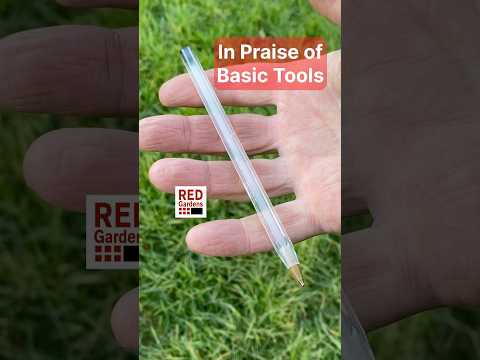
TL;DR: Unspecialized, affordable gardening tools are often superior for permaculture due to their accessibility, durability, and ease of replacement.
- Basic tools are widely available and affordable.
- Mass-produced tools can be robust and long-lasting.
- Simple construction reduces points of failure.
- Ergonomic designs emerge from centuries of use.
- Easy replacement minimizes gardening downtime.
Why it matters: Opting for basic, readily available tools can significantly reduce costs and frustration in permaculture projects, making sustainable living more accessible.
Do this next: Assess your current toolset for functionality and replace specialized items with adaptable, basic alternatives.
Recommended for: New and experienced permaculture practitioners seeking efficient, sustainable, and affordable tool strategies.
The article, "In Praise of Basic Tools," emphasizes the value of simple, well-designed gardening implements, particularly in the context of permaculture and sustainable living. It highlights a preference for tools that are readily available, affordable, and effective, rather than expensive or specialized equipment. The author suggests that many common, mass-produced tools, often overlooked in favor of boutique or high-end alternatives, possess inherent qualities that make them ideal for various gardening tasks.
A central theme is the accessibility of these basic tools. They are typically found in hardware stores, garden centers, and even online retailers, making them easy to acquire for most individuals. This widespread availability contrasts with the often limited distribution of niche or handcrafted tools, which can be difficult to locate and often come with a higher price tag. The article posits that the ease of replacement for these common tools is another significant advantage. If a basic tool breaks or is lost, a new one can usually be purchased without much difficulty or financial strain, minimizing downtime in gardening activities.
The author delves into the practical advantages of these tools, focusing on their functionality and durability. Despite being mass-produced, many basic gardening tools are designed for robustness and longevity. Their simple construction often means fewer moving parts that can break, and they are typically made from materials that can withstand regular use and exposure to the elements. This reliability is crucial for permaculture practitioners who rely on their tools for consistent work in various conditions.
Furthermore, the article touches upon the ergonomic aspects of basic tools. While not always marketed as such, many common tools have evolved over time to be comfortable and efficient to use for a wide range of tasks. Their design often reflects centuries of practical application, leading to shapes and weights that are well-suited for digging, weeding, cultivating, and other essential gardening chores. The author implies that this practical evolution often surpasses the theoretical design of more specialized tools.
The piece also subtly critiques the consumerist tendency to constantly seek out new and "improved" tools, suggesting that this often leads to unnecessary expenditure and a cluttered shed. Instead, it advocates for a minimalist approach, focusing on a core set of versatile tools that can perform multiple functions. This aligns with permaculture principles of efficiency and resourcefulness, encouraging gardeners to make the most of what they have rather than constantly acquiring more.
The article encourages readers to reconsider their perceptions of mass-produced items, arguing that not all such products are inherently inferior. In the realm of gardening tools, the widespread production often means that designs have been refined and optimized for broad utility and cost-effectiveness. This perspective challenges the notion that only handcrafted or artisanal tools hold true value, suggesting that practical utility and accessibility are equally, if not more, important for the average gardener.
In essence, "In Praise of Basic Tools" serves as a reminder that effective gardening does not require expensive or specialized equipment. It champions the humble, readily available tools that form the backbone of many successful gardens, emphasizing their practicality, durability, and affordability as key attributes for sustainable and productive permaculture practices.
Source: youtube.com
Related Analysis
- Homeowners Retrofit Properties with Renewable Energy Solutions — Renewable energy retrofitting gains traction as regenerative agriculture principles inform home upgrades. Experts point …
- New Practices Build Climate-Resilient Cob Homes — Cob construction emerges as a key strategy in enhancing resilience against ecological challenges in permaculture systems…
Related on PermaNews
- Ernst Götsch's Cacao Syntropy: Master Agroforestry Now (How-To Guide)
- Finnish Off-Grid: Rocket Mass Heater Performance in Greenhouse (Case Study)
- Berlins schwimmende Gärten: Permakultur auf dem Wasser (Case Study)
- Rodale Report 2025: Thermal Mass Boost in Solar Greenhouses (Case Study)
- AUTarcaMatricultura La Palma: Permakultur & Energieautarkie (How-To Guide)
- Earthaven Ecovillage: 30 Years Off-Grid with Hydro & Solar (Video)
Explore more in Shelter, Energy & Infrastructure — the full hub for this knowledge area.