Simplify Winter Chores: 7 Tips for Easier Snow Shoveling
By Ricardo Orlando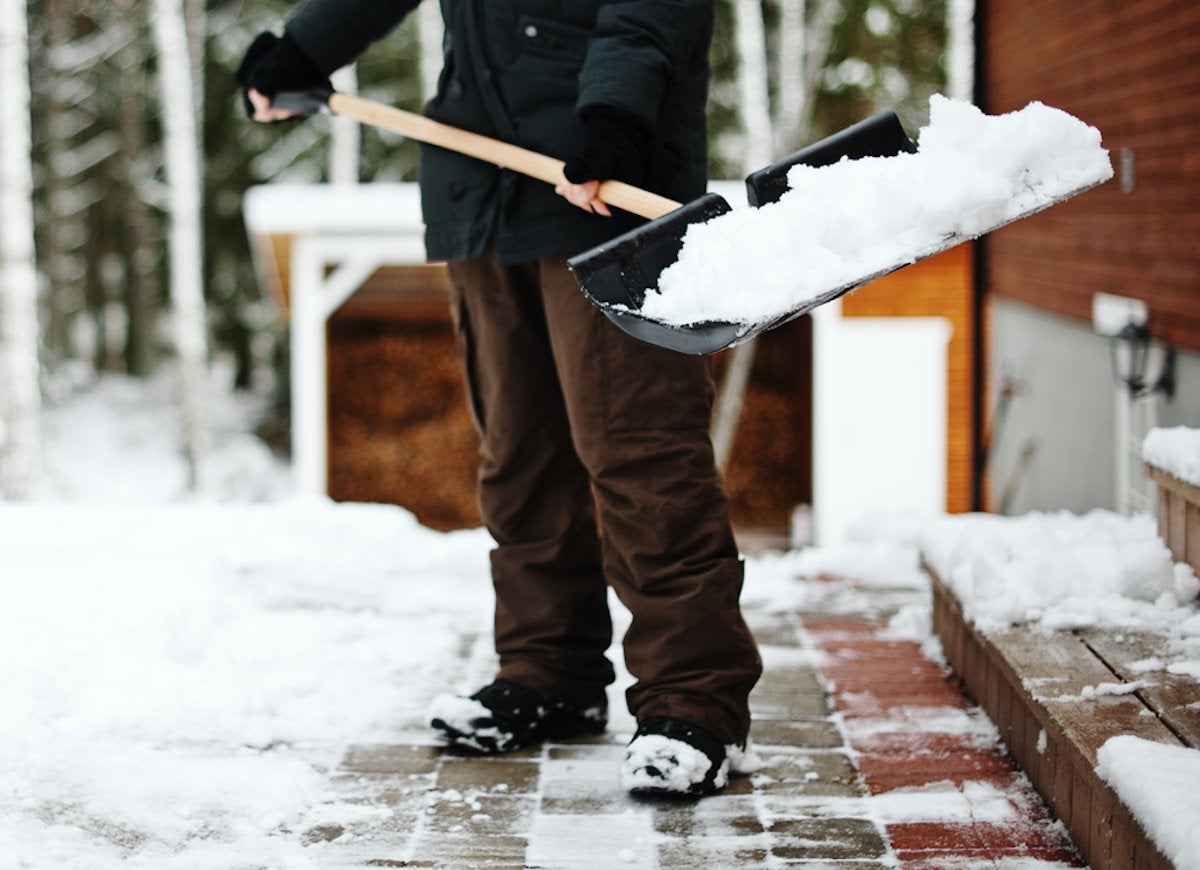
PermaNews Brief
Key Takeaways
Reduce the physical burden of snow removal with proper tools and techniques, including non-stick sprays and ergonomic shovels.
- Apply non-stick coatings to shovel blades for easier snow release.
- Shovel proactively, clearing snow frequently during a storm.
- Utilize proper body mechanics: push snow, bend knees, pivot body.
- Select ergonomic shovels to minimize back strain.
- Take smaller scoops to avoid overexertion.
Why It Matters
Efficient snow removal prevents injury and saves time, contributing to household resilience in snowy climates.
What to Do Next
Apply cooking spray or car wax to your snow shovel before the next snowfall.
Recommended for: Homeowners and residents in snowy regions seeking practical tips to simplify winter snow removal.
Snow removal is an unavoidable task for individuals residing in regions that experience winter snowfall, much like lawn maintenance in warmer months. While often perceived as a strenuous chore, several strategies can be employed to alleviate the difficulty and physical strain associated with shoveling snow.
One effective approach involves applying a non-stick coating to the shovel blade. Products like cooking spray, silicone spray, or even car wax can create a slick surface that prevents snow from adhering to the shovel. This reduces the effort required to dislodge snow from the blade, making each scoop more efficient and less taxing. Regularly reapplying this coating, especially after every few scoops or if the snow is particularly wet and sticky, will maintain its effectiveness.
Another crucial tip is to begin shoveling early and frequently. Addressing snow accumulation while it is still light and fluffy is significantly easier than waiting for it to become compacted and heavy. If a significant snowfall is anticipated, clearing smaller amounts periodically throughout the storm can prevent the formation of large, dense drifts that are much harder to move. This proactive strategy minimizes the overall physical exertion.
Proper shoveling technique is also paramount for reducing strain and preventing injuries. Instead of lifting heavy loads of snow, it is recommended to push the snow whenever possible. When lifting is necessary, bend at the knees, keeping the back straight, and use the leg muscles to lift. Avoid twisting the torso while lifting and throwing snow; instead, pivot the entire body. Taking smaller scoops rather than attempting to clear large volumes at once also helps distribute the effort and prevents overexertion.
Choosing the right shovel for the task can make a substantial difference. Ergonomically designed shovels with curved handles can reduce back strain by allowing for a more upright posture. Shovels with larger blades are suitable for pushing snow, while smaller, more robust blades are better for lifting heavier, wet snow. A lightweight shovel, perhaps made of plastic or aluminum, can also lessen the overall weight being lifted.
Staying hydrated and taking frequent breaks are essential for maintaining energy levels and preventing fatigue. Shoveling snow is a physically demanding activity, and the cold weather can exacerbate dehydration. Drinking water before, during, and after shoveling is important. Taking short breaks every 15-20 minutes allows muscles to rest and recover, reducing the risk of strain or injury.
Dressing appropriately for the weather is another key consideration. Layering clothing allows for adjustments as body temperature changes during physical exertion. Waterproof and insulated outer layers are crucial for staying dry and warm. Wearing gloves or mittens to protect hands from the cold and provide a better grip on the shovel handle is also advisable. Proper footwear with good traction can prevent slips and falls on icy surfaces.
Finally, considering alternative snow removal methods can be beneficial, especially for those with physical limitations or very large areas to clear. Snow blowers, while an investment, can significantly reduce the physical effort involved. For smaller areas or light snow, a snow pusher or a snow shovel with wheels can also be more efficient than a traditional shovel. For those who prefer not to shovel at all, hiring a snow removal service is always an option. By implementing these strategies, the often-dreaded task of snow shoveling can become a more manageable and less physically demanding chore.
Source: urbanfarmonline.com
Related Analysis
- Homeowners Retrofit Properties with Renewable Energy Solutions — Renewable energy retrofitting gains traction as regenerative agriculture principles inform home upgrades. Experts point …
- New Practices Build Climate-Resilient Cob Homes — Cob construction emerges as a key strategy in enhancing resilience against ecological challenges in permaculture systems…
Related on PermaNews
- Designing Regenerative Resilience: Participatory Living Labs (How-To Guide)
- Amazonas: Chakra Waldgärten – Dynamische Agroforst-Wunder (Case Study)
- Nagaland's Jhum-Alder Agroforestry: Climate-Smart Farming (Article)
- CIT-ED Pioneers Tribal Food Forest for Climate & Food Security (Case Study)
- weADAPT: 100+ Climate Case Studies & Indigenous Practices (Case Study)
- Water Cycle Restoration Research: Indigenous Wisdom Meets Permaculture (Article)
Explore more in Shelter, Energy & Infrastructure — the full hub for this knowledge area.