Pack Goats: Shari Miller on Superior Supply Hauling
By Urban Farmer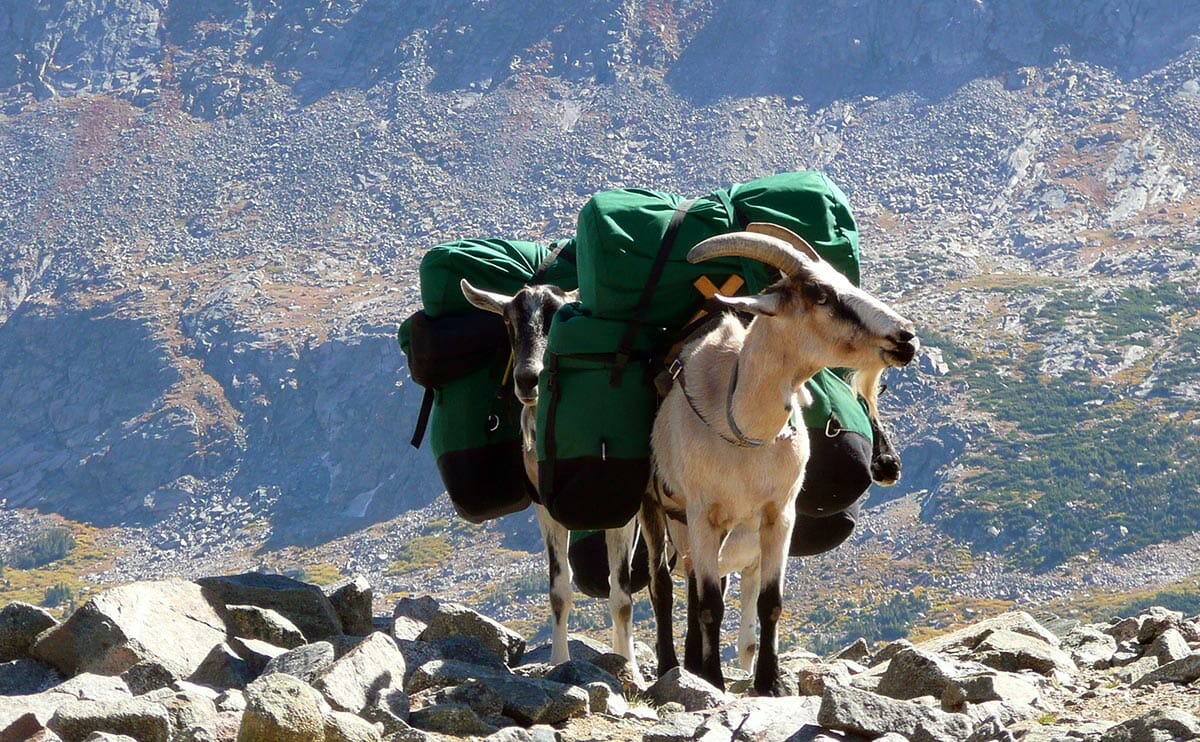
PermaNews Brief
Key Takeaways
Goats offer a cost-effective and agile alternative to traditional pack animals, particularly for navigating challenging terrain on expeditions.
- Goats are highly agile in rugged and dense environments.
- Lower maintenance and cost compared to horses or mules.
- Can forage widely, reducing need for packed feed.
- Training is straightforward with patience and reinforcement.
- A team of goats can carry substantial gear.
Why It Matters
Integrating goats as pack animals presents a sustainable solution for backcountry logistics, reducing environmental impact and operational costs for various outdoor activities.
What to Do Next
Research local regulations regarding goat ownership and transport in your area.
Recommended for: Outdoor enthusiasts, permaculturists, and homesteaders seeking innovative and sustainable methods for transporting supplies in varied terrain.
Goats present a viable and often superior alternative to traditional pack animals like horses and mules for carrying supplies, according to Shari Miller, an advocate for their use. While commonly associated with dairy or meat production, goats possess several characteristics that make them exceptionally well-suited for packing, particularly in certain environments and for specific types of expeditions.
One significant advantage of goats is their size and agility. Their smaller stature allows them to navigate dense brush, narrow trails, and rugged terrain that larger animals might struggle with or be unable to access. This makes them ideal for backcountry trips, hunting expeditions, or traversing areas with limited infrastructure. Their natural climbing abilities and sure-footedness on uneven ground further enhance their utility in challenging landscapes.
Beyond their physical capabilities, goats are also known for their relatively low maintenance requirements compared to horses or mules. They are less expensive to acquire and feed, and their dietary needs are often met by foraging on a wider variety of vegetation, reducing the need to carry supplemental feed. This self-sufficiency can be a major benefit on extended trips where resupply is difficult. Their hardiness and resistance to many common ailments also contribute to their lower overall care demands.
Training goats for packing is generally considered to be a straightforward process. They are intelligent animals and can be taught to wear saddles and carry panniers with patience and consistent positive reinforcement. While they may not carry the same sheer weight as a large horse, a team of goats can collectively transport a substantial amount of gear. The weight capacity for an individual goat typically ranges from 20 to 30 percent of its body weight, meaning a healthy adult goat can comfortably carry between 30 and 60 pounds, depending on its size and fitness.
Another practical benefit is their social nature. Goats are herd animals and often form strong bonds with their handlers, making them pleasant companions on the trail. Their calm demeanor, once accustomed to their role, can contribute to a more enjoyable outdoor experience. They are also less prone to spooking than some equids, which can be an important safety consideration in unfamiliar environments.
The environmental impact of using goats as pack animals is also generally lower. Their smaller hooves cause less erosion and compaction on trails compared to larger animals, making them a more eco-friendly option for wilderness travel. Their browsing habits can also help manage undergrowth in certain areas, potentially contributing to trail maintenance.
In summary, while horses and mules have long been the conventional choice for packing, goats offer a compelling alternative with numerous advantages. Their agility, low maintenance, ease of training, environmental benefits, and suitability for rugged terrain make them a valuable and often overlooked resource for carrying supplies in various outdoor settings.
Source: urbanfarmonline.com
Related Analysis
- What Climate-Adapted Natural Building Actually Costs in Germany — Climate-adapted natural building in Germany — spanning straw bale, rammed earth, hempcrete, and Passive House-certified …
- Natural Builders Swap Whole-Structure Cob for Hybrid Wall Systems — Several sources suggest natural builders are dividing straw bale and cob by solar orientation within single homes—a func…
Related on PermaNews
- Borneo's Rainforest Revival: Dr. Smits' Sugar Palm Village Hub (Case Study)
- Holmgren's 40 Yrs: Abundant Permaculture Design Webinar 3 (Video)
- Twin Oaks Dairy Silvopasture Walk (Event)
- Stockmanship Clinic with Curt Pate (Event)
- Boost Biodiversity: Regenerative Ag for a Sustainable Future (How-To Guide)
- Gabe Brown's Regenerative Journey: ND to TX & MT Ranches (Article)
Explore more in Shelter, Energy & Infrastructure — the full hub for this knowledge area.