Tractor Down: Hand-Feeding Hay on the Homestead!
By Living Traditions Homestead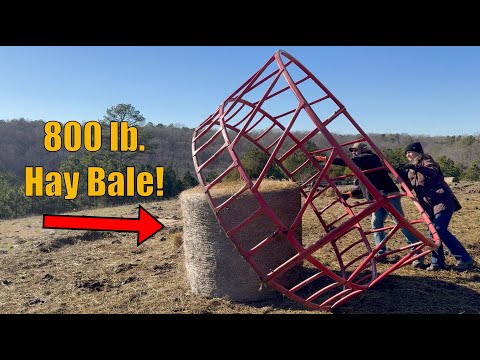
TL;DR: A homestead faces significant challenges feeding livestock by hand after their tractor breaks down, highlighting the critical role of equipment in daily farm operations.
- Tractor breakdown disrupts routine hay feeding.
- Manual hay distribution is physically demanding.
- Reliance on machinery for large-scale tasks.
- Unexpected events necessitate adaptive solutions.
- Winter conditions exacerbate manual labor.
Why it matters: The incident underscores the vulnerability of farming operations to equipment failure and the intense labor required for manual alternatives, directly impacting animal welfare and farmer well-being.
Do this next: Review your farm’s contingency plans for equipment breakdown and manual task alternatives.
Recommended for: Homesteaders, livestock managers, and those interested in off-grid living looking to understand the practical challenges and solutions in food production.
The recent breakdown of a tractor at a homestead presented a significant challenge for the owners, particularly concerning the daily task of feeding hay to their livestock. The tractor, a crucial piece of equipment for moving large round bales, experienced a mechanical failure that rendered it inoperable. This incident occurred during a period when the livestock, including cows and other animals, were heavily reliant on supplemental hay due to winter conditions or limited pasture availability.
Prior to the breakdown, the homestead owners had established a routine of using the tractor to transport and unroll large round bales of hay into feeding areas. This method was efficient, saving considerable time and physical effort. The round bales, weighing several hundred pounds each, are virtually impossible to move manually by a single person, or even a small team, without mechanical assistance. The sudden inability to use the tractor meant that this established feeding system was no longer viable, necessitating an immediate and labor-intensive alternative.
Faced with the urgent need to feed their animals, the homesteaders had to resort to a manual hay-feeding process. This involved breaking apart the large round bales by hand and then carrying smaller, manageable portions to the livestock. This task is physically demanding and time-consuming. It requires significant strength and endurance to pull apart the tightly packed hay from the bales and then repeatedly transport it to the feeding troughs or designated areas. The process is further complicated by weather conditions, as cold temperatures, snow, or mud can make the work even more arduous and uncomfortable.
The manual feeding method not only consumed a substantial amount of time each day but also placed a considerable physical strain on the homestead owners. What might have taken a relatively short period with the tractor now stretched into a much longer, more exhausting chore. This unexpected disruption highlighted the critical role that machinery plays in modern homesteading and farming operations, especially when dealing with large animals and bulk feed. The efficiency gained from mechanized equipment allows homesteaders to manage larger herds and dedicate more time to other essential tasks.
The incident also underscored the importance of resilience and adaptability in homesteading. Despite the setback, the owners were able to devise and implement a temporary solution to ensure their animals were fed. This required a willingness to engage in strenuous physical labor and to adjust their daily schedule to accommodate the increased demands of manual feeding. It served as a practical demonstration of the challenges that can arise unexpectedly and the resourcefulness required to overcome them in a self-sufficient lifestyle.
While the immediate focus was on addressing the feeding crisis, the long-term implication was the need for tractor repair or replacement. The cost and time associated with repairing specialized farm equipment can be substantial, and the availability of parts or skilled mechanics can sometimes be a challenge, particularly in more remote areas. Until the tractor is fully operational again, the manual hay-feeding routine will likely continue, serving as a constant reminder of the value of reliable machinery in agricultural endeavors. This situation illustrates a common reality for many homesteaders: a reliance on tools and equipment that, when they fail, can significantly impact daily operations and demand considerable personal effort to maintain the well-being of their livestock.
Source: youtube.com
Related Analysis
- Farmers Convert Six Weeks of Rhubarb Into 25-Year Supply — Initial signals suggest a rhubarb preservation technique can extend a brief seasonal harvest into 25 years of storage—a …
- Compost Builds Soil Microbiomes—But Human Waste Divides Practitioners — A small but consistent set of signals indicates composting's soil benefits are well-documented, while human-waste compos…
Related on PermaNews
- Lost Everything? My 10 Essential Permaculture Rebuild Systems (Video)
- harvesting water, in a desert, safely, from a polluted road (Video)
- Dirt Village for 6: 5-Year Off-Grid Family Build (Video)
- Dunkelflaute & Blackout: Dein Weg zur Energie-Autarkie (How-To Guide)
- Entropy Survival: Homestead Energy Independence Guide (How-To Guide)
- Nordsee-Autarkie: 3 Jahre Hybrid-Solar-Wind-Batterie-Erfolg (Case Study)
Explore more in Food Systems & Growing — the full hub for this knowledge area.