Emergency Calf Birth: Justin Rhodes' Freezing Farm Drama
By Justin Rhodes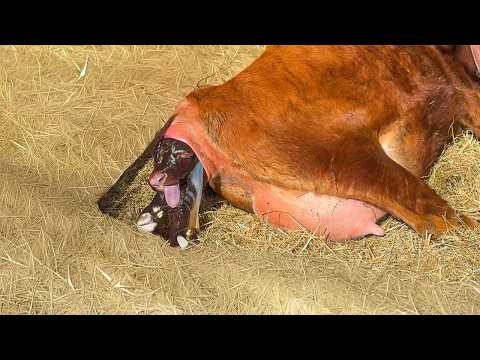
PermaNews Brief
Key Takeaways
A farmer unexpectedly assists in a calf’s birth during freezing weather, highlighting the need for quick action and preparedness in animal husbandry.
- Extreme cold complicates livestock birthing.
- Farmer intervention can be critical for newborn survival.
- Drying and warming newborns prevents hypothermia.
- Preparedness is essential for unexpected farm events.
- First-time mothers may require birthing assistance.
Why It Matters
Unexpected births in harsh conditions can lead to significant livestock loss if farmers are not prepared to intervene. This scenario highlights the practical impact of environmental factors on farm operations and the importance of immediate, informed action to ensure animal welfare and farm productivity.
What to Do Next
Prioritize daily checks of pregnant livestock, especially during extreme weather, to catch and address birthing complications quickly.
Recommended for: Farmers and permaculturists interested in practical animal husbandry, cold-weather preparedness, and emergency birthing assistance.
This article describes the unexpected and challenging birth of a calf on a farm during a period of extremely cold weather. The farmer, Justin Rhodes, was conducting his routine morning chores, which included checking on his pregnant cows. He had been anticipating the birth of a calf from one particular cow, a first-time mother, but not on this specific day. The weather conditions were severe, with temperatures well below freezing, making the timing of the birth particularly precarious for the newborn.
As he approached the pasture, he noticed the cow was already in the process of calving. The calf was partially born, with its front hooves and head visible. This immediate observation prompted the farmer to spring into action, recognizing the urgency of the situation given the harsh environmental conditions. He understood that a prolonged birth in such cold weather could be detrimental to the calf's survival, as newborns are highly susceptible to hypothermia.
The farmer quickly assessed the situation and determined that intervention was necessary. He observed that the cow was struggling to complete the birth on her own. He decided to assist by gently pulling the calf to help expedite the delivery. This process required careful handling to avoid injuring either the mother or the calf. The farmer applied steady, gentle traction, timing his pulls with the cow's contractions.
After a period of effort, the calf was successfully delivered. It was a healthy-looking male calf, which was a relief given the difficult circumstances. However, the immediate challenge shifted from delivery to ensuring the calf's survival in the freezing temperatures. Newborn calves are born wet, and this moisture, combined with the cold, can rapidly lead to hypothermia. The farmer knew that getting the calf dried and warmed was paramount.
He quickly moved the newborn calf to a more sheltered location. He used towels to vigorously dry the calf, removing as much moisture as possible from its coat. This drying process is crucial for helping the calf regulate its body temperature. Simultaneously, he encouraged the mother cow to lick her calf, as this natural behavior also aids in drying and stimulates circulation in the newborn.
To further protect the calf from the cold, the farmer brought it into a warmer environment, likely a barn or a heated shelter. He continued to monitor the calf closely, ensuring it was breathing well and showing signs of vitality. He also made sure the calf was able to stand and attempt to nurse from its mother. The first few hours of a calf's life are critical for bonding with the mother and receiving colostrum, the first milk, which provides essential antibodies and nutrients.
The farmer reflected on the unexpected nature of the birth and the challenges posed by the extreme cold. He emphasized the importance of being prepared for such events, especially during winter months. The experience highlighted the dedication required in farming and the need for quick decision-making and practical skills to ensure the well-being of livestock. Despite the initial stress and urgency, the successful delivery and subsequent care of the calf brought a sense of accomplishment and relief. The new calf, now named, was a welcome addition to the farm, having overcome a challenging start to life.
Source: youtube.com
Related Analysis
- Regenerative Farmers Flip Cover Crop Logic From Compliance to Profit — Practitioner accounts and a new meta-analysis suggest cover cropping is being reframed from conservation practice to pro…
- Farmers Convert Six Weeks of Rhubarb Into 25-Year Supply — Initial signals suggest a rhubarb preservation technique can extend a brief seasonal harvest into 25 years of storage—a …
Related on PermaNews
- Autarke Permakultur-Siedlung: Solar-Wind & Redox-Flow-Speicher (Case Study)
- Holmgren's RetroSuburbia: Permaculture for Resilient Living (Article)
- Appalachian Mending: Sewing Survival for Resilience (How-To Guide)
- Montana Permaculture: 10,000-Gallon Drought-Proof Cistern Array (Case Study)
- Ep. 433: Food System Fragility Exposed & Solutions (Video)
- Retrofitting Suburbia: Holmgren's Energy Descent Manual (How-To Guide)
Explore more in Food Systems & Growing — the full hub for this knowledge area.