PPP 42: Jill Winger's Prairie Homestead: Slow Living & Skills
PermaNews Brief
Key Takeaways
Embracing a slower pace and self-sufficiency through homesteading offers a path to greater autonomy and connection with foundational skills, applicable to various living situations.
- Homesteading is a mindset, not just a rural pursuit.
- Relearn foundational skills for resilience and satisfaction.
- Create from scratch to reduce external reliance.
- Food preservation boosts self-sufficiency.
- Basic animal husbandry connects you to food sources.
Why It Matters
Reclaiming traditional skills and consciously creating items can reduce dependence on external systems and increase personal fulfillment.
What to Do Next
Explore local workshops or online resources for a skill like canning or baking bread from scratch.
Recommended for: Individuals interested in cultivating self-sufficiency, reconnecting with foundational skills, and embracing a more intentional lifestyle, regardless of their living situation.
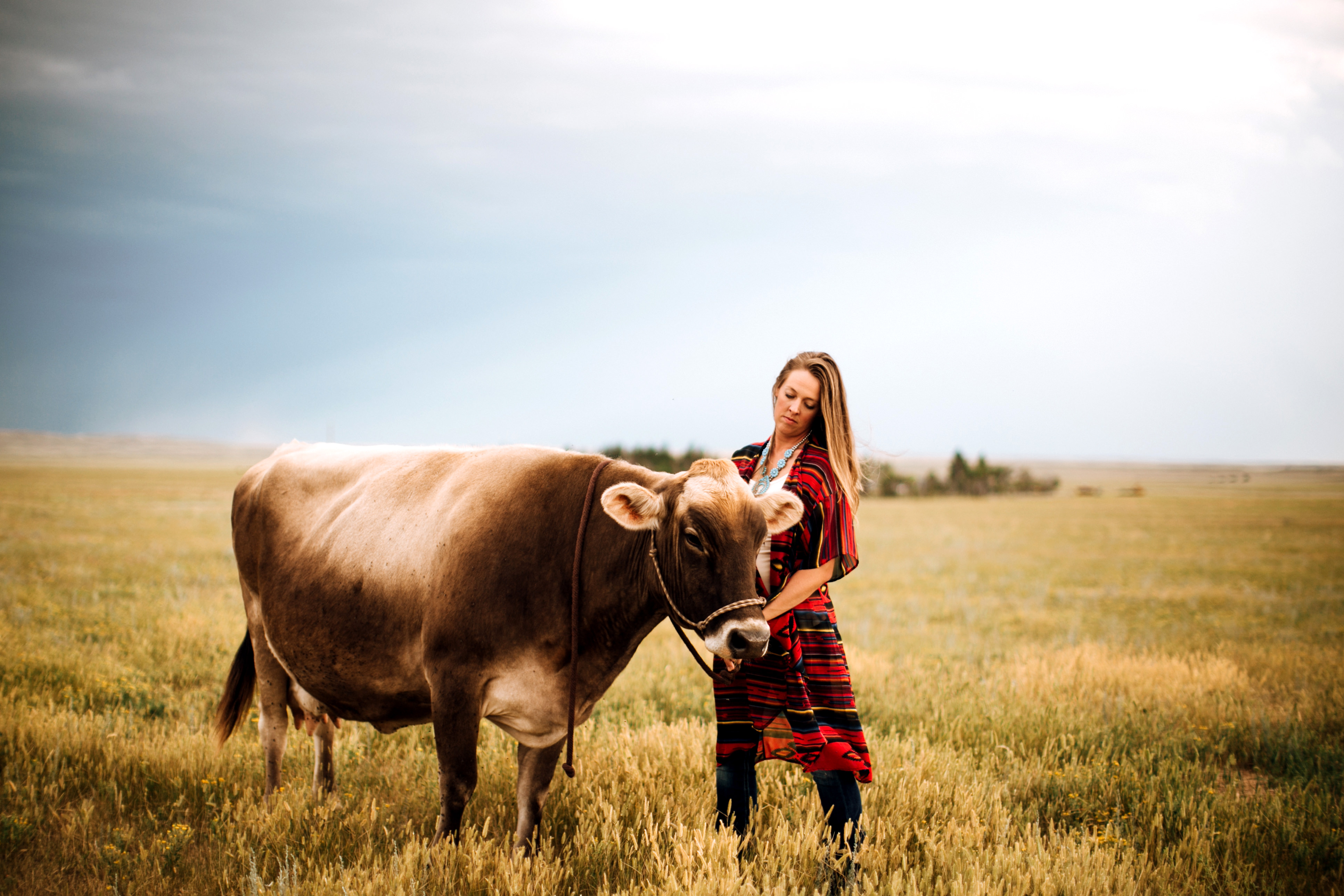
This podcast episode features an interview with Jill Winger, focusing on her journey and philosophy centered around a slower, more self-sufficient lifestyle. The discussion explores the concept of "homesteading" not just as a rural pursuit, but as a mindset applicable to various living situations, emphasizing a return to foundational skills and a deliberate pace of life.
Winger's personal narrative begins with her and her husband's decision to leave urban life and embrace a more agrarian existence. This transition was driven by a desire for greater autonomy, a connection to the land, and a rejection of the fast-paced consumer culture they previously inhabited. Their initial experiences involved a steep learning curve, as they lacked prior farming or homesteading knowledge. This period of trial and error, however, solidified their commitment to learning and adapting, highlighting the importance of resilience and a willingness to acquire new skills.
A core theme of the conversation is the re-evaluation of modern conveniences and the benefits of engaging in processes that have largely been outsourced in contemporary society. Winger advocates for a conscious effort to create things from scratch, whether it's preparing food, making household goods, or even mending clothes. This practice is presented not as a burden, but as a source of satisfaction, a way to understand the origins of products, and a means of reducing reliance on external systems. The act of making things by hand is also framed as a way to foster creativity and a deeper appreciation for the effort involved in production.
The discussion delves into specific "old-fashioned skills" that Winger champions. These include food preservation techniques like canning, dehydrating, and fermenting, which extend the shelf life of produce and reduce food waste. Baking bread from scratch, gardening for food production, and basic animal husbandry for those with the space are also highlighted as valuable skills that contribute to self-sufficiency. Beyond practical applications, these skills are presented as pathways to a more mindful existence, encouraging individuals to be more present and engaged with their daily routines.
The concept of "slowing down" is central to Winger's philosophy. She argues that the relentless pace of modern life often leads to stress, disconnection, and a feeling of being overwhelmed. By intentionally reducing commitments, prioritizing meaningful activities, and embracing a more deliberate approach to daily tasks, individuals can cultivate a greater sense of peace and purpose. This doesn't necessarily mean abandoning all modern technology or conveniences, but rather making conscious choices about how time and resources are allocated.
The interview also touches upon the accessibility of homesteading principles. Winger emphasizes that one doesn't need acres of land to adopt a more self-sufficient lifestyle. Even in urban or suburban environments, individuals can incorporate elements of homesteading, such as growing herbs in pots, making homemade cleaning products, or learning basic sewing skills. The focus is on the mindset of intentionality and resourcefulness, rather than a specific geographical location.
Furthermore, the conversation explores the community aspect of homesteading. While often perceived as an individual pursuit, Winger highlights the importance of connecting with others who share similar values. Sharing knowledge, resources, and even surplus produce can foster a strong sense of community and mutual support, which is crucial for navigating the challenges and celebrating the successes of a self-sufficient lifestyle.
In essence, the podcast episode with Jill Winger presents a compelling argument for a return to fundamental skills, a slower pace of life, and a greater connection to the processes that sustain us. It encourages listeners to reconsider their relationship with consumption, embrace the satisfaction of creating from scratch, and cultivate a more intentional and resilient way of living, regardless of their current circumstances.
Source: permacultureprincess.com
Related Analysis
- Does Growing Your Own Food Actually Save Money? The Real Numbers — Most home gardens save money by year two — but only if the right crops are planted. Herbs and salad greens deliver 5–10x…
Related on PermaNews
- Autarke Solar-Wind-Systeme: LiFePO4 Batterie-Management-Guide (How-To Guide)
- Holmgren's RetroSuburbia: Permaculture for Resilient Living (Article)
- Transform 6 Weeks of Rhubarb into 25 Years of Preservation (Video)
- Transform 6 Weeks of Rhubarb for 25 Years of Preservation (Video)
- May 2026 Garden Tour: 99% of Our Fresh Food Grown in Containers (Video)
- The Ultimate Chicken Tractor for Complete Self-Sufficiency (Free Plans) (Video)
Explore more in Skills, Preparedness & Self-Reliance — the full hub for this knowledge area.