Snowstorm Prep: Safeguard Your Permaculture Garden NOW!
By The Permaculture Consultant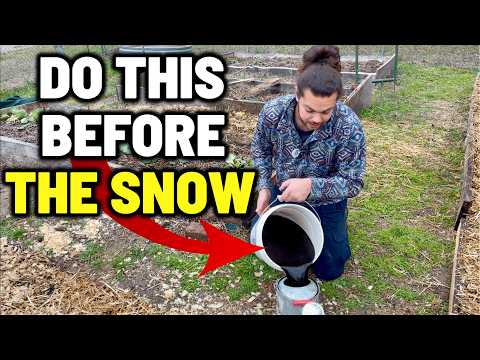
PermaNews Brief
Key Takeaways
Before winter storms hit, gardeners should secure structures, mulch perennials, and harvest mature annuals to protect their plants and enhance garden resilience.
- Reinforce garden structures to prevent snow damage.
- Apply thick mulch around perennials for root insulation.
- Harvest edible annuals before heavy snowfall.
- Anchor temporary covers like cold frames securely.
- Protect delicate plants with breathable fabric or burlap.
Why It Matters
Proactive winterization steps safeguard plants and structures, contributing to a healthier, more resilient garden ecosystem year-round, minimizing damage and maximizing future yields.
What to Do Next
Assess all garden structures and reinforce any weak points, ensuring they can withstand heavy snow loads.
Recommended for: Gardeners looking for practical steps to protect their plants and infrastructure from winter snowstorms.
As winter approaches and the threat of snowstorms looms, gardeners, particularly those engaged in permaculture practices, can take several proactive steps to protect their plants and prepare their outdoor spaces. These measures not only safeguard against immediate damage but also contribute to the long-term health and resilience of the garden ecosystem.
One crucial aspect of pre-snowstorm preparation involves assessing and securing garden structures. Any trellises, stakes, or supports for climbing plants should be checked for stability. Loose or weak structures could collapse under the weight of heavy snow, potentially damaging the plants they are meant to support. Reinforcing these elements or, in some cases, temporarily dismantling them if they are not robust enough, can prevent significant issues. Similarly, any temporary covers or cold frames should be firmly anchored to the ground to prevent them from being blown away or collapsing.
For perennial plants, especially those that are young or less established, providing a protective layer is highly beneficial. A thick layer of mulch, such as straw, wood chips, or fallen leaves, can insulate the soil, protecting roots from extreme cold and temperature fluctuations. This mulch also helps to retain soil moisture, which is important even in winter. When applying mulch, ensure it is not piled directly against the stems of plants, as this can encourage rot or provide a haven for pests. Instead, create a donut shape around the base of the plant. For more delicate perennials or those in exposed locations, covering them with burlap or a breathable fabric can offer an additional layer of protection against harsh winds and heavy snow.
Annual plants, which typically complete their life cycle within one growing season, present a different set of considerations. If there are still edible annuals in the garden that are close to maturity, harvesting them before the snowstorm is advisable. This ensures that the produce is not lost to freezing temperatures. For annuals that are not yet ready for harvest but are cold-hardy, a temporary cover like a cloche, row cover, or even an overturned bucket can extend their growing season slightly and protect them from an initial cold snap. However, most annuals will not survive prolonged freezing conditions.
Regarding garden tools and equipment, it is important to bring them indoors or store them in a protected area. Hoses should be drained and coiled, and any irrigation systems should be winterized to prevent pipes from freezing and bursting. Emptying rain barrels and disconnecting them from downspouts can also prevent damage from expanding ice. Cleaning and oiling hand tools before storage can prevent rust and ensure they are ready for use in the spring.
The overall health of the soil is also a key consideration. While it might be too late for extensive soil amendments just before a snowstorm, ensuring that garden beds are not left completely bare can be beneficial. A cover crop, if planted earlier in the fall, will provide excellent protection and enrich the soil over winter. If no cover crop is present, a layer of organic matter, such as compost or leaves, can still offer some protection and contribute to soil health.
Finally, observing the garden after the snowstorm is important. Once the snow has settled, gently brushing heavy snow off evergreen shrubs and tree branches can prevent breakage, especially for those with broad leaves or weak limbs. However, avoid doing this if the snow is frozen solid, as it could cause more damage. It's also a good time to check for any damage to structures or plants and plan for repairs or further protection if necessary. By taking these preparatory steps, gardeners can significantly mitigate the impact of winter weather and set their gardens up for a successful spring.
Source: youtube.com
Related Analysis
- Food Forest Courses Shift From Theory to Build-Ready Skills — Several food forest courses now open with site assessment and guild-building rather than design theory, suggesting a dev…
- Practitioners Build Silvopasture Playbook Before Researchers Catch Up — A small but consistent set of signals from the Northeast U.S. shows farmers actively piloting silvopasture while formal …
Related on PermaNews
- Autarke Permakultur-Siedlung: Solar-Wind & Redox-Flow-Speicher (Case Study)
- Holmgren's RetroSuburbia: Permaculture for Resilient Living (Article)
- Appalachian Mending: Sewing Survival for Resilience (How-To Guide)
- Ep. 433: Food System Fragility Exposed & Solutions (Video)
- Retrofitting Suburbia: Holmgren's Energy Descent Manual (How-To Guide)
- Passive House Network: Sunflower Sanctuary, Louisville, CO (Case Study)
Explore more in Food Systems & Growing — the full hub for this knowledge area.