Cold Climate Kiwis: They're Ready!
By Canadian Permaculture Legacy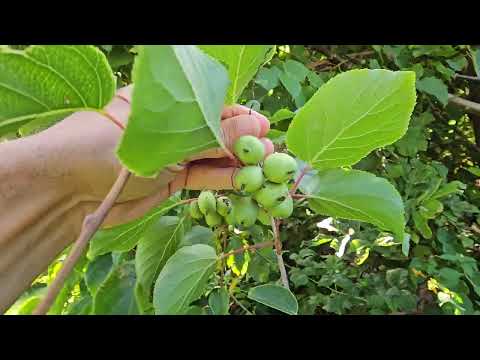
PermaNews Brief
Key Takeaways
Hardy kiwi varieties offer a viable and productive option for growers in cold climates, challenging traditional perceptions of kiwi cultivation.
- Select cold-hardy kiwi varieties for success.
- Provide sturdy support for vigorous vines.
- Ensure male and female plants for pollination.
- Prune regularly for optimal fruit production.
- Site selection protects from harsh winter winds.
Why It Matters
Expanding the range of perennial crops like kiwi into colder regions enhances food security and biodiversity in permaculture systems.
What to Do Next
Research cold-hardy kiwi varieties suitable for your specific climate zone.
Recommended for: Home gardeners and permaculture enthusiasts in cold climates seeking to diversify their fruit yields.
The article from Canadian Permaculture Legacy discusses the successful cultivation of kiwi fruit in colder climates, specifically highlighting varieties that can withstand significant winter temperatures. It emphasizes that while many associate kiwis with warmer regions, certain types are well-suited for zones with colder winters, dispelling the common misconception that they are exclusively tropical or subtropical plants.
The author notes that the key to growing kiwis in these environments lies in selecting the appropriate species and cultivars. The article likely focuses on hardy kiwi varieties, such as *Actinidia arguta* (hardy kiwi) and *Actinidia kolomikta* (arctic beauty kiwi), which are known for their resilience to cold. These varieties differ from the more common fuzzy kiwi (*Actinidia deliciosa*) in several ways, including their smaller, smooth-skinned fruit that can be eaten whole, and their superior cold hardiness.
Successful cultivation in colder zones requires attention to several factors. Site selection is crucial, with recommendations likely including a location that offers some protection from harsh winter winds and receives ample sunlight during the growing season. While these kiwis are cold-tolerant, extreme exposure can still be detrimental. The article probably advises on providing a sturdy support structure, as kiwi vines are vigorous climbers and require robust trellises, arbors, or pergolas to support their growth and fruit production.
Pollination is another critical aspect addressed. Most hardy kiwi varieties are dioecious, meaning individual plants are either male or female. For fruit production, both a male and a female plant are generally required, and they need to be planted in proximity to each other to ensure successful pollination. The article might also mention self-fertile varieties, though these are less common or may have lower yields compared to dioecious pairings.
Pruning techniques are likely discussed as essential for maintaining plant health, vigor, and maximizing fruit yield. Proper pruning helps manage the vine's size, encourages new fruiting wood, and improves air circulation, which can reduce disease risk. The timing of pruning, typically in late winter or early spring before bud break, would probably be highlighted.
The article likely touches upon soil requirements, suggesting well-drained soil with a slightly acidic to neutral pH. Adequate moisture is important, especially during fruit development, but waterlogging should be avoided. Mulching is probably recommended to help retain soil moisture, suppress weeds, and regulate soil temperature, offering additional protection to the roots during winter.
Pest and disease management for hardy kiwis in cold climates would also be covered, though these varieties are generally less susceptible to issues compared to their fuzzy counterparts. The article might mention common problems and organic solutions.
Finally, the piece likely celebrates the rewarding experience of harvesting homegrown kiwis in unexpected climates. It would emphasize the delicious, nutritious fruit and the satisfaction of successfully cultivating a plant often thought to be unsuitable for colder regions, thereby expanding the possibilities for permaculture practitioners and home gardeners in these areas. The overall message is one of encouragement, demonstrating that with careful selection and proper care, cold-climate gardeners can indeed enjoy a bounty of fresh kiwi fruit.
Source: youtube.com
Related Analysis
- Food Forest Courses Shift From Theory to Build-Ready Skills — Several food forest courses now open with site assessment and guild-building rather than design theory, suggesting a dev…
- Practitioners Build Silvopasture Playbook Before Researchers Catch Up — A small but consistent set of signals from the Northeast U.S. shows farmers actively piloting silvopasture while formal …
Related on PermaNews
- Designing Regenerative Resilience: Participatory Living Labs (How-To Guide)
- Amazonas: Chakra Waldgärten – Dynamische Agroforst-Wunder (Case Study)
- Nagaland's Jhum-Alder Agroforestry: Climate-Smart Farming (Article)
- CIT-ED Pioneers Tribal Food Forest for Climate & Food Security (Case Study)
- weADAPT: 100+ Climate Case Studies & Indigenous Practices (Case Study)
- Water Cycle Restoration Research: Indigenous Wisdom Meets Permaculture (Article)
Explore more in Food Systems & Growing — the full hub for this knowledge area.