Rare Plant vs. McMansions: US Conservation Battle Heats Up
By Crime Pays But Botany Doesn't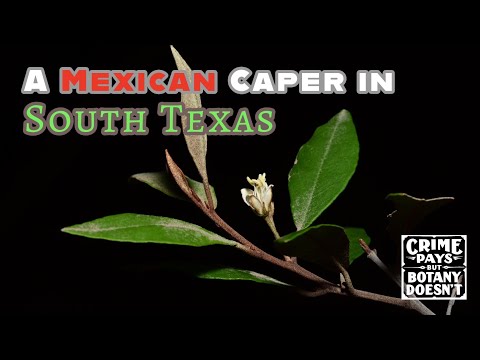
TL;DR: A US housing development threatens a rare plant, sparking debate over urban expansion, conservation, and the effectiveness of environmental mitigation.
- Housing development imperils rare plant habitat.
- Environmental regulations clash with urban growth.
- Relocation of endangered species is debated.
- Economic drivers fuel development pressure.
Why it matters: This case highlights the global tension between economic development and environmental protection, offering insights into regulatory challenges and conservation strategies.
Do this next: Research local environmental impact assessments for proposed developments in your area.
Recommended for: Anyone interested in environmental policy, urban planning, and biodiversity conservation.
The article discusses a contentious land development proposal in the United States, highlighting a recurring conflict between conservation efforts and urban expansion. The central issue revolves around a specific parcel of land slated for a new housing development, which is home to a rare and protected plant species. This plant's existence on the site has triggered environmental regulations, requiring a thorough assessment of the development's potential impact.
The proposed development involves the construction of numerous large, single-family homes, often colloquially referred to as "McMansions," a term that suggests a standardized, often aesthetically uninspired, and resource-intensive style of housing. The developer's plan necessitates the clearing of a significant portion of the existing vegetation, including the habitat of the rare plant. This has drawn considerable opposition from environmental groups, local residents, and conservationists who advocate for the preservation of biodiversity and natural ecosystems.
A key aspect of the controversy is the legal framework surrounding endangered species and habitat protection. Laws are in place to prevent the destruction of critical habitats for rare plants and animals. However, developers often seek permits and variances, sometimes proposing mitigation strategies to offset the environmental damage. These strategies can include relocating the plant species, establishing new habitats elsewhere, or contributing to conservation funds. The effectiveness and long-term viability of such mitigation efforts are frequently debated, with critics arguing that they rarely fully compensate for the loss of original, established ecosystems.
The article implies that the economic drivers behind such developments are powerful. The demand for new housing, particularly in desirable areas, can exert significant pressure on undeveloped land. Developers often argue that their projects contribute to economic growth, create jobs, and provide much-needed housing stock. However, opponents counter that these benefits often come at an unacceptable environmental cost, leading to habitat fragmentation, loss of biodiversity, and increased strain on local infrastructure and resources.
The tone of the article, as suggested by its title, conveys a sense of frustration and sarcasm regarding the perceived prioritization of development over environmental protection. It reflects a broader societal debate about sustainable land use, the balance between economic development and ecological preservation, and the role of regulatory bodies in mediating these competing interests. The phrase "bleak McMansions" further suggests a critique of the architectural and environmental impact of such housing, implying a lack of thoughtful design and an unsustainable approach to land utilization.
Ultimately, the situation described in the article represents a microcosm of a larger global challenge: how to accommodate human population growth and development needs while safeguarding the planet's natural heritage. The outcome of this particular development proposal will likely depend on the interplay of legal challenges, public advocacy, scientific assessments of environmental impact, and the decisions of local planning authorities. The conflict highlights the ongoing tension between short-term economic gains and long-term ecological sustainability.
Source: youtube.com
Related Analysis
- Farmers Convert Six Weeks of Rhubarb Into 25-Year Supply — Initial signals suggest a rhubarb preservation technique can extend a brief seasonal harvest into 25 years of storage—a …
- Compost Builds Soil Microbiomes—But Human Waste Divides Practitioners — A small but consistent set of signals indicates composting's soil benefits are well-documented, while human-waste compos…
Related on PermaNews
- PRI Jordan: Arid Zone Permaculture Yields 5 Tons/Hectare (Case Study)
- Aboriginal Cool Burns: Permaculture's Ancient Fire Wisdom (Case Study)
- Crop Rotation Boosts Soil Biodiversity: Global Meta-analysis (Article)
- The Rewilders: Restoring the Ancient Pulse of the Aravallis (Video)
- The 10 Crops That Can Turn Arid Lands Into Biodiversity And Food Security Hotspots (Article)
- What Happens When a Species Disappears? The Chain Reaction Nobody Talks About (Article)
Explore more in Food Systems & Growing — the full hub for this knowledge area.