Hidalgo, Mexico: Pines, Viejitos & Permaculture Living
By Crime Pays But Botany Doesn't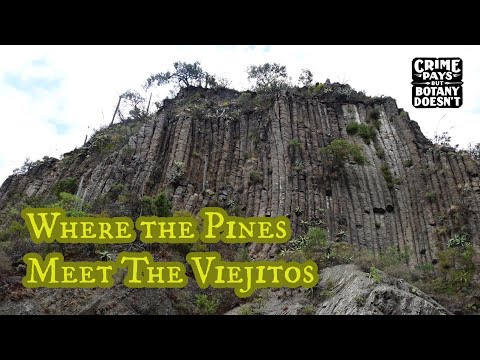
PermaNews Brief
Key Takeaways
A permaculture initiative in Hidalgo, Mexico, integrates sustainable living and ecological restoration with traditional knowledge from local elders.
- Permaculture project in Hidalgo, Mexico, focuses on sustainable living.
- Intergenerational collaboration utilizes indigenous wisdom and modern techniques.
- Water management strategies include rainwater harvesting and swales.
- Soil health regeneration uses composting, vermiculture, and cover crops.
- Project aims for resilient ecosystems and long-term food security.
Why It Matters
This project demonstrates how integrating traditional ecological knowledge with modern permaculture techniques can create truly sustainable and resilient community-based systems, especially in challenging environments.
What to Do Next
Explore how local elders in your community can contribute traditional knowledge to sustainability projects.
Recommended for: Those interested in community-led permaculture, ecological restoration, and the integration of traditional knowledge.
This permaculture initiative, located in the mountainous pine forest region of Hidalgo, Mexico, focuses on integrating sustainable living and ecological restoration within a community framework. The project operates in a rugged, biodiverse landscape, presenting both opportunities and challenges for the application of permaculture principles.
A central element of this endeavor is the active participation of the local elders, respectfully referred to as "Viejitos." These community members contribute invaluable traditional knowledge concerning the land, its history, and sustainable practices passed down through generations. This intergenerational collaboration is fundamental to the project, aiming to synthesize modern permaculture techniques with established indigenous wisdom. The project acknowledges that genuine sustainability often arises from comprehending and respecting the ecological patterns and social structures that have long characterized a specific location.
The permaculture design in Hidalgo addresses several critical areas. Water management is a significant focus, particularly relevant in mountainous terrains. Strategies include rainwater harvesting, the construction of swales and contouring to reduce water runoff and enhance infiltration, and the implementation of water-efficient irrigation systems. These methods are designed to conserve water and mitigate soil erosion, a common issue on slopes. Effective water management is intended to improve soil fertility and support a broader range of plant life.
Soil health regeneration is another vital component. The project utilizes various permaculture techniques such as composting, vermiculture, and the use of cover crops to enrich the soil. The objective is to cultivate healthy, living soil capable of sustaining robust plant growth without reliance on synthetic fertilizers. This approach is considered essential for creating a resilient ecosystem and ensuring long-term food security for the community. The project emphasizes understanding the specific soil types and their requirements within this particular environment.
Food production is a core theme, with an emphasis on developing diverse and productive food systems. This encompasses establishing food forests, vegetable gardens, and integrating animal husbandry in a manner that benefits the overall ecosystem. Plant species selection often prioritizes native and drought-tolerant varieties, which are well-adapted to the local climate and require fewer external inputs. The project aims to provide a consistent source of nutritious food for the community while also promoting biodiversity. The incorporation of traditional food plants and cultivation methods is also a key consideration.
Beyond ecological considerations, the project also addresses the social and economic dimensions of sustainability. It seeks to empower the local community by offering training and education in permaculture practices, fostering self-sufficiency, and potentially generating new economic opportunities. The involvement of the "Viejitos" is particularly important in this context, as they serve as mentors and knowledge keepers, ensuring that traditional practices are preserved and integrated into contemporary sustainable development. The project aims to build a stronger, more resilient community better equipped to navigate environmental and economic challenges.
The initiative in Hidalgo implicitly serves as an example of how permaculture can be applied in culturally rich and ecologically sensitive environments. It underscores that successful permaculture implementation involves more than just applying a set of techniques; it requires a deep understanding of and collaboration with the unique characteristics of a place and its people. The interaction between the natural environment (the pine forests) and the human element (the Viejitos) is presented as a crucial dynamic for achieving holistic and enduring sustainability. The project's success is dependent on this collaborative spirit and the integration of diverse forms of knowledge.
Source: youtube.com
Related Analysis
- Regenerative Farmers Flip Cover Crop Logic From Compliance to Profit — Practitioner accounts and a new meta-analysis suggest cover cropping is being reframed from conservation practice to pro…
- Farmers Convert Six Weeks of Rhubarb Into 25-Year Supply — Initial signals suggest a rhubarb preservation technique can extend a brief seasonal harvest into 25 years of storage—a …
Related on PermaNews
- Ernst Götsch's Cacao Syntropy: Master Agroforestry Now (How-To Guide)
- Finnish Off-Grid: Rocket Mass Heater Performance in Greenhouse (Case Study)
- Berlins schwimmende Gärten: Permakultur auf dem Wasser (Case Study)
- Rodale Report 2025: Thermal Mass Boost in Solar Greenhouses (Case Study)
- AUTarcaMatricultura La Palma: Permakultur & Energieautarkie (How-To Guide)
- Earthaven Ecovillage: 30 Years Off-Grid with Hydro & Solar (Video)
Explore more in Food Systems & Growing — the full hub for this knowledge area.