Root Cellar Secrets: Storing Beets & Carrots Simply
By Maritime Gardening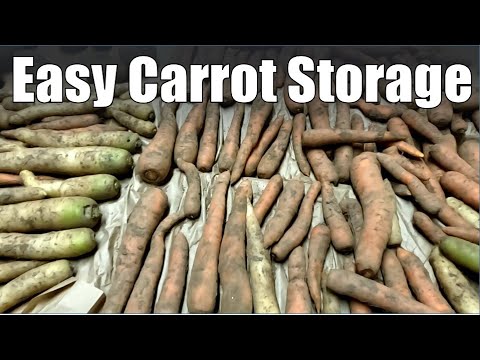
TL;DR: Store beets and carrots long-term through winter by mimicking their natural soil environment using damp sand and cool, dark conditions.
- Harvest mature, not overripe, root vegetables.
- Remove greens, leaving one inch on beets.
- Use slightly damp builder's or play sand.
- Layer vegetables in sand, preventing contact.
- Store in cool, dark, humid environment.
Why it matters: Proper root vegetable storage extends shelf life significantly, reducing food waste and ensuring a supply of fresh produce throughout winter without refrigeration.
Do this next: Gather builder's sand and storage containers for your next harvest.
Recommended for: Home gardeners seeking sustainable, off-grid methods for preserving harvested root vegetables through colder months.
The article details a practical method for storing root vegetables like beets and carrots over winter, emphasizing a simple, low-tech approach suitable for home gardeners. The core principle revolves around mimicking the cool, moist, and dark conditions of the soil where these vegetables naturally grow, thereby preventing dehydration and spoilage.
The author begins by highlighting the importance of harvesting at the right time. For optimal storage, beets and carrots should be mature but not overripe. After harvesting, the greens are removed, leaving about an inch of stem attached to the beet to prevent bleeding and moisture loss. For carrots, the greens are cut off flush with the root. This step is crucial as the greens continue to draw moisture from the root, leading to shriveling.
The primary storage medium recommended is sand, specifically builder's sand or play sand, which is readily available and relatively inexpensive. The sand should be slightly damp, not wet, to provide the necessary humidity without encouraging mold or rot. A good test for the correct moisture level is to squeeze a handful of sand; it should clump together but not release any water. If the sand is too dry, it can be lightly misted with water.
The storage containers can vary, but the author suggests using plastic totes or buckets. The process involves layering the vegetables with the damp sand. A base layer of sand is placed at the bottom of the container, followed by a single layer of beets or carrots, ensuring they do not touch each other. This separation is important to prevent the spread of any potential rot. Another layer of sand is then added, completely covering the vegetables, and the process is repeated until the container is full, with a final layer of sand on top.
The ideal storage location is a cool, dark, and humid environment. A root cellar is perfect if available, but an unheated basement, garage, or even a cold room can work. The temperature should ideally be just above freezing, around 35-40°F (1-4°C). Consistent temperature and humidity are key to long-term storage. Fluctuations can lead to condensation, which promotes spoilage. The darkness prevents sprouting and maintains the quality of the vegetables.
The author notes that this method can keep beets and carrots fresh and firm for several months, often well into the spring. Regular checks are recommended to remove any vegetables that show signs of spoilage, which can then be composted. This proactive approach helps prevent the spread of rot to healthy vegetables.
Beyond beets and carrots, the article briefly mentions that this sand-storage technique can also be applied to other root vegetables like parsnips, turnips, and rutabagas, suggesting its versatility for a home gardener's winter harvest. The overall tone emphasizes simplicity, effectiveness, and sustainability, providing a practical solution for extending the availability of homegrown produce without requiring specialized equipment or significant energy input. The method aligns with permaculture principles by utilizing natural materials and conditions to preserve food.
Source: youtube.com
Related Analysis
- Farmers Convert Six Weeks of Rhubarb Into 25-Year Supply — Initial signals suggest a rhubarb preservation technique can extend a brief seasonal harvest into 25 years of storage—a …
- Compost Builds Soil Microbiomes—But Human Waste Divides Practitioners — A small but consistent set of signals indicates composting's soil benefits are well-documented, while human-waste compos…
Related on PermaNews
- Vermont Root Cellar: 18-Month Thermal Performance Study (Case Study)
- Modular Root Cellar: Year-Round Food Security Design (How-To Guide)
- Regenerative Fermentation: Dein Mikrobiom-Guide zur Vorratshaltung (How-To Guide)
- Holzer Institute: Bioregional Root Cellar Design Secrets (Case Study)
- Year-Round Harvest: The 6-Month Storage Perennial Vegetable (Video)
- PTJ 2024: Pumphouse, Mycelium, Root Cellar & Pavilion (Part 1) (Article)
Explore more in Food Systems & Growing — the full hub for this knowledge area.