12 Winter Crops Smart Gardeners Are Planting
By Epic Gardening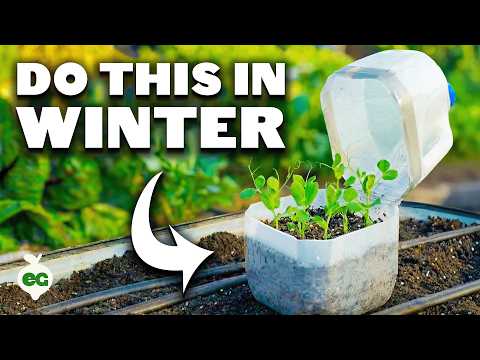
PermaNews Brief
Key Takeaways
Extend your garden’s productivity into colder months by choosing specific crops that thrive in winter conditions, ensuring a continuous harvest.
- Leverage cool weather and less intense sunlight for winter harvests.
- Leafy greens like spinach, kale, and arugula excel in cooler temperatures.
- Root vegetables such as carrots and beets become sweeter in winter.
- Winter planting ensures fresh produce when other plants are dormant.
- Hardy varieties can even provide harvests under snow or after frost.
Why It Matters
Maximizing garden output year-round reduces reliance on seasonal produce and enhances food security for homes and communities.
What to Do Next
Explore leafy greens and root vegetables well-suited for winter planting to extend your harvesting season.
Recommended for: Gardeners aiming to extend their harvest season into cooler months and increase their year-round fresh produce supply.
For gardeners looking to maximize their harvest and extend their growing season, planting certain crops during the winter months can be a highly effective strategy. This approach leverages cooler temperatures and often less intense sunlight to cultivate a variety of vegetables that thrive in such conditions. By understanding which plants are best suited for winter cultivation, gardeners can ensure a continuous supply of fresh produce, even when many other plants are dormant.
One significant category of winter crops includes various types of leafy greens. Spinach, for instance, is a classic cool-weather vegetable that can be planted in late fall or early winter. It tolerates light frosts and can even overwinter in many regions, providing an early spring harvest. Similarly, kale is exceptionally hardy and becomes sweeter after a few frosts, making it an ideal candidate for winter planting. Its robust nature allows it to withstand significant temperature drops. Arugula, with its peppery flavor, also performs well in cooler temperatures, often growing quickly enough to provide multiple harvests throughout the winter. Mache, or corn salad, is another excellent choice, known for its cold hardiness and delicate, nutty flavor. It can be sown directly into the soil and will continue to produce even under a blanket of snow in some climates.
Beyond leafy greens, several root vegetables are well-suited for winter cultivation. Carrots, when planted in late fall, can develop deep roots over the winter, resulting in sweeter, more tender roots by early spring. Their growth slows in the coldest months but resumes as temperatures begin to rise. Beets are another versatile root crop that can be planted for both their roots and their nutritious greens. They tolerate cold well and can be harvested throughout the winter in milder climates. Radishes, known for their rapid growth, can provide quick harvests even in cooler temperatures, making them a good option for filling gaps in the winter garden.
Certain members of the brassica family also excel in winter gardens. Broccoli, particularly varieties bred for cold tolerance, can be planted in late fall for an early spring harvest. The cooler temperatures can enhance its flavor. Cabbage, especially hardy varieties, can also be overwintered, providing large heads in the spring. Brussels sprouts are another excellent choice, as their flavor is often improved by a touch of frost.
Finally, some less common but equally rewarding winter crops include garlic and onions. Garlic cloves planted in the fall will establish roots over the winter and then vigorously grow in the spring, producing large, flavorful bulbs by early summer. Similarly, overwintering onion sets or seeds can lead to an early harvest of green onions or mature bulbs. Leeks, with their long growing season and cold tolerance, can also be planted in the fall and harvested throughout the winter and into spring.
Successful winter gardening often involves some protective measures, such as using row covers, cold frames, or even unheated greenhouses, especially in regions with harsh winters. These structures can help moderate temperatures and protect plants from extreme cold, wind, and heavy snow. Proper soil preparation, including amending with compost, is also crucial to provide the necessary nutrients for sustained growth during the colder months. By strategically selecting and protecting these resilient crops, gardeners can significantly extend their harvest season and enjoy fresh, homegrown produce throughout the winter.
Source: youtube.com
Related Analysis
- Food Forest Courses Shift From Theory to Build-Ready Skills — Several food forest courses now open with site assessment and guild-building rather than design theory, suggesting a dev…
- Practitioners Build Silvopasture Playbook Before Researchers Catch Up — A small but consistent set of signals from the Northeast U.S. shows farmers actively piloting silvopasture while formal …
Related on PermaNews
- Ernst Götsch's Cacao Syntropy: Master Agroforestry Now (How-To Guide)
- Finnish Off-Grid: Rocket Mass Heater Performance in Greenhouse (Case Study)
- Berlins schwimmende Gärten: Permakultur auf dem Wasser (Case Study)
- Rodale Report 2025: Thermal Mass Boost in Solar Greenhouses (Case Study)
- AUTarcaMatricultura La Palma: Permakultur & Energieautarkie (How-To Guide)
- Earthaven Ecovillage: 30 Years Off-Grid with Hydro & Solar (Video)
Explore more in Food Systems & Growing — the full hub for this knowledge area.