Homestead Pasta: Tanya's Counter, Stove, & Love
By Self Sufficient Homesteading & Gardening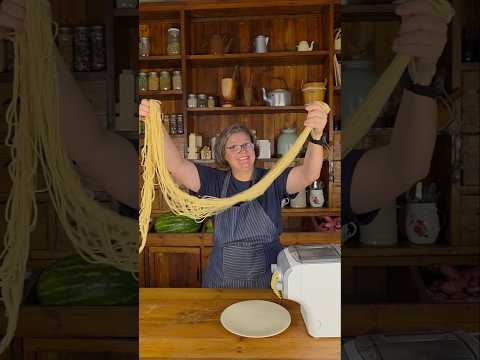
PermaNews Brief
Key Takeaways
Embrace the rewarding process of making fresh pasta from scratch, from simple ingredients to a flavorful meal.
- Homemade pasta elevates meals with fresh, simple ingredients.
- Kneading dough develops gluten for optimal texture.
- Resting dough is crucial for easy rolling and elasticity.
- Batch cooking sauces saves time for homesteaders.
- Making food from scratch fosters connection and satisfaction.
Why It Matters
Preparing food from scratch allows for a deeper connection to what we consume, enhancing both flavor and personal satisfaction while reducing reliance on processed alternatives.
What to Do Next
Try making a simple pasta dough with flour and eggs this week.
Recommended for: Home cooks interested in exploring traditional food preparation methods and enhancing their culinary skills.
The article describes a day in the life of a homesteader, focusing on the preparation of a homemade pasta meal. The narrative emphasizes the hands-on process of creating food from scratch, highlighting the connection between effort and nourishment. The day begins with the decision to make pasta, a task that involves several steps and a degree of patience.
The initial stage involves gathering the necessary ingredients, which are simple and foundational: flour, eggs, and a little water or olive oil. The author details the process of mixing these components, starting with creating a well in a mound of flour on a clean counter surface. The eggs are cracked into this well, and then gradually incorporated into the flour using a fork, slowly bringing in more flour from the edges until a shaggy dough forms. This stage requires careful handling to prevent the eggs from spilling out of the well.
Once the initial mixing is complete, the real work of kneading begins. The author describes the rhythmic action of pushing, folding, and turning the dough, a process that develops the gluten and gives the pasta its characteristic texture. This kneading continues for a significant period, typically around 10-15 minutes, until the dough becomes smooth, elastic, and no longer sticky. The feel of the dough is a key indicator of its readiness, and the author notes the satisfaction derived from this tactile experience. After kneading, the dough is allowed to rest, usually covered, for at least 30 minutes. This resting period is crucial as it allows the gluten to relax, making the dough easier to roll out.
While the pasta dough rests, attention shifts to the accompanying sauce. The article mentions a homemade sauce already simmering on the stove, suggesting a pre-existing batch or a sauce prepared earlier in the day. This implies a level of preparedness and efficiency in the homestead kitchen, where components of a meal might be made in advance. The aroma of the simmering sauce is noted as a comforting presence in the home, contributing to the overall atmosphere of warmth and domesticity.
After the dough has rested, the next step is rolling it out. The author describes using a pasta machine for this purpose, feeding small portions of the dough through progressively thinner settings. This process transforms the thick, rested dough into thin sheets, ready to be cut into various pasta shapes. The article doesn't specify a particular shape, but the mention of "pasta" generally implies common forms like fettuccine, spaghetti, or lasagna sheets. The act of rolling and cutting is presented as a satisfying culmination of the dough-making process.
Finally, the freshly made pasta is cooked and combined with the simmering sauce. The meal is then enjoyed, representing the fruits of the labor invested throughout the day. The narrative concludes by emphasizing the emotional aspect of this culinary endeavor, highlighting the "love" that goes into preparing such a meal. This love is not just for the food itself, but for the process, the self-sufficiency it represents, and the nourishment it provides to oneself and potentially others. The overall tone is one of contentment and appreciation for the simple, yet profound, act of creating food from basic ingredients.
Source: youtube.com
Related Analysis
- Does Growing Your Own Food Actually Save Money? The Real Numbers — Most home gardens save money by year two — but only if the right crops are planted. Herbs and salad greens deliver 5–10x…
- Regenerative Farmers Flip Cover Crop Logic From Compliance to Profit — Practitioner accounts and a new meta-analysis suggest cover cropping is being reframed from conservation practice to pro…
Related on PermaNews
- Entropy Survival: Homestead Energy Independence Guide (How-To Guide)
- Improve Your Soil, Improve Your Garden (Video)
- Annual Organic Pig Harvest for Family Sustenance (Video)
- Garten-Stress? 5 einfache Schritte für Permakultur-Einsteiger (Video)
- Toby Hemenway's Permaculture Lacto-Fermentation Guide (How-To Guide)
- Pressure Canning: Correct Processing Time is Crucial! (Video)
Explore more in Food Systems & Growing — the full hub for this knowledge area.