Beyond Sand: Desert Diversity Explained
By GrowTree Organics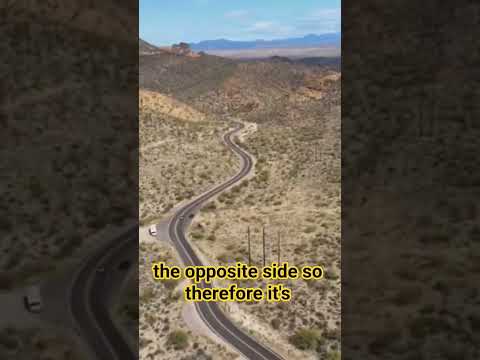
TL;DR: Deserts are diverse arid environments, classified by low precipitation and encompassing both hot and cold regions with unique ecosystems.
- Deserts are defined by low precipitation, not just heat.
- Hot and cold deserts have distinct characteristics.
- Life in deserts shows unique adaptations.
- Desert ecosystems are complex and varied.
- Arid regions support specialized flora and fauna.
Why it matters: Understanding desert diversity is crucial for effective conservation and sustainable living in these challenging environments.
Do this next: Explore the specific adaptations of plants and animals in various desert types.
Recommended for: Anyone interested in ecology, geography, or understanding diverse biomes beyond common perceptions.
The term "desert" often conjures images of vast, sandy landscapes with extreme heat and minimal life. However, this common perception is a simplification of a much more diverse and complex ecological reality. Deserts are not monolithic environments; rather, the term serves as an umbrella for a variety of arid and semi-arid regions characterized primarily by low precipitation. This fundamental characteristic, a lack of consistent rainfall, is what defines a desert, leading to unique adaptations in flora, fauna, and even human cultures that inhabit these areas.
One of the most significant distinctions within the desert umbrella is between hot and cold deserts. Hot deserts, such as the Sahara or the Arabian Desert, are what most people envision. They experience high daytime temperatures, often exceeding 100 degrees Fahrenheit, and significant temperature drops at night. Their landscapes are typically dominated by sand dunes, rocky plateaus, and salt flats. The plant life in these regions is sparse and highly specialized, including succulents like cacti and drought-resistant shrubs, which have evolved mechanisms to store water or minimize transpiration. Animals are often nocturnal, seeking refuge from the intense daytime heat, and have developed efficient water conservation strategies.
In contrast, cold deserts, like the Gobi Desert or the polar regions (which are technically deserts due to their low precipitation), experience extremely low temperatures, often below freezing for much of the year. While they may receive some snow, the overall moisture content in the air is very low, and precipitation is infrequent. The ground in cold deserts can be frozen for extended periods, and the plant life is typically hardy, low-growing, and adapted to withstand harsh winds and cold, such as mosses, lichens, and some grasses. Animals in these environments often have thick fur or blubber for insulation and may hibernate or migrate to survive the coldest months.
Beyond temperature, deserts can also be classified by their geographical formation and characteristics. Coastal deserts, like the Atacama in Chile, are formed by cold ocean currents that prevent moisture from forming rain clouds, leading to extremely dry conditions despite their proximity to the ocean. Rain shadow deserts, such as the Great Basin Desert in the United States, occur on the leeward side of mountain ranges, where mountains block moisture-laden air, causing it to release its precipitation on the windward side. Interior continental deserts are found deep within continents, far from oceanic moisture sources, and experience extreme temperature fluctuations due to the lack of moderating influence from large bodies of water.
The soil composition in deserts also varies widely. While sandy soils are common, many deserts feature rocky terrain, gravel plains, or even fertile loess deposits. The presence of salt flats, or playas, is also characteristic of some desert environments, formed by the evaporation of ancient lakes. These diverse soil types influence the specific plant communities that can establish themselves in different desert regions.
Understanding that "desert" is an umbrella term is crucial for appreciating the vast ecological diversity and the intricate adaptations that allow life to thrive in these seemingly inhospitable environments. It moves beyond a simplistic stereotype to acknowledge the nuanced interplay of temperature, precipitation, geography, and soil that shapes these unique and vital ecosystems across the globe.
Source: youtube.com
Related Analysis
- Projects Pivot to Integrate Rainwater Harvesting with Energy — New evidence indicates a shift toward integrating rainwater cisterns with renewable energy systems in permaculture proje…
- Farmers Pivot to Innovative Water Solutions Amid Drought — Decentralized water management systems are emerging among regenerative farms to enhance resilience against drought.
Related on PermaNews
- Unwanted Water? We're Harvesting It! (Video)
- West Coast Water Resilience: 6 Farm Case Studies, 2024 (Case Study)
- BASF & IRRI: Reis-Innovationen sparen 30% Emissionen & Wasser (Article)
- Unterflurbewässerung: KoLa Leipzig testet in Taucha (Article)
- Grauwasser & Stadtgrün: Kühlere Städte dank DBU-Projekt (Article)
- Grauwasser in Städten: Recht, Technik, Soziales erklärt (How-To Guide)
Explore more in Water, Climate & Adaptation — the full hub for this knowledge area.