Woodchip Arrival! No-Dig Market Garden Beds & Progress Update
By Self Sufficient CJ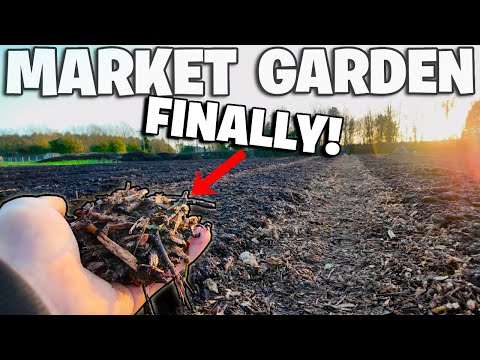
PermaNews Brief
Key Takeaways
A gardener transforms compacted, weed-filled land into a productive no-dig market garden using a substantial amount of woodchip.
- Woodchip is crucial for no-dig soil building and weed suppression.
- Sourcing large quantities of woodchip can be challenging but rewarding.
- Cardboard and woodchip layers create effective no-dig beds.
- Woodchip enriches soil, retains moisture, and fosters soil life.
- Allow woodchip to decompose or add compost before planting.
- No-dig offers immediate weed suppression and aesthetic benefits.
Why It Matters
Implementing no-dig methods with woodchip significantly improves soil health, reduces weed pressure, and creates a sustainable foundation for productive growing.
What to Do Next
Start a no-dig bed in your garden using cardboard and woodchips to suppress weeds and build soil.
Recommended for: Gardeners of all levels looking to establish productive, low-maintenance garden beds while significantly improving soil health.
The article details the establishment and initial progress of a no-dig market garden, emphasizing the significant role of woodchip in its development. The garden, located on a property with a history of horse grazing, presented challenges due to compacted soil and a persistent weed problem, particularly with dock. The gardener's primary goal was to create productive growing spaces while simultaneously improving soil health and suppressing weeds.
A key strategy involved the creation of no-dig beds, a method chosen to avoid disturbing the existing soil structure and to foster a healthy soil microbiome. The process began with laying down cardboard as a weed barrier, followed by a substantial layer of woodchip. The gardener initially faced difficulties in acquiring sufficient quantities of woodchip, highlighting a common hurdle for those undertaking large-scale no-dig projects. However, a breakthrough occurred when a local tree surgeon offered a large delivery, enabling the rapid expansion of the garden beds.
The article explains the rationale behind using woodchip. Beyond its weed-suppressing capabilities, woodchip acts as a slow-release source of organic matter, gradually breaking down to enrich the soil. It also helps retain moisture, reducing the need for frequent watering, and provides a habitat for beneficial soil organisms. The gardener notes the importance of allowing the woodchip to begin decomposing before planting directly into it, or alternatively, adding a layer of compost on top for immediate planting.
The initial bed construction involved defining pathways with woodchip and then building up the growing areas. The gardener describes the physical effort involved in moving and spreading large quantities of woodchip, underscoring the labor-intensive nature of establishing such a system. Despite the hard work, the immediate benefits of weed suppression and improved aesthetics were evident.
The article also provides an update on the garden's progress. Early plantings included various vegetables, with some experiencing more success than others. The gardener observed that crops like potatoes, planted directly into the woodchip with a layer of compost, were thriving. Other vegetables, such as brassicas, showed promising growth. However, challenges were encountered with certain crops, possibly due to initial soil conditions or pest pressure. The gardener acknowledges the learning curve inherent in establishing a new garden system and emphasizes the importance of observation and adaptation.
A significant portion of the article focuses on the ongoing battle with weeds, particularly the persistent dock. While the woodchip and cardboard layers have been effective in suppressing many weeds, some, like dock, have managed to push through. The gardener discusses strategies for managing these persistent weeds, including manual removal and the continued application of woodchip. The long-term goal is to deplete the weed seed bank and establish a dominant layer of beneficial organic matter.
The article concludes with a forward-looking perspective. The gardener plans to continue expanding the no-dig beds, utilizing more woodchip as it becomes available. The long-term vision includes developing a diverse and productive market garden that operates on permaculture principles, with a focus on soil health, biodiversity, and sustainable food production. The initial success with woodchip application and the progress of early plantings provide encouragement for the ongoing development of the garden. The journey is presented as an ongoing process of learning, adapting, and building a resilient food system.
Source: youtube.com
Related Analysis
- Baltimore Researchers Reject Yield as Urban Farm Success Metric — Several sources suggest urban agriculture is being recast from food supplement to food sovereignty tool, with peer-revie…
- Urban Food Forest Tours Signal Shift From Passive Gardens — Several initiatives indicate urban food forests are evolving into hands-on design and education hubs — distinct from con…
Related on PermaNews
- Ernst Götsch's Cacao Syntropy: Master Agroforestry Now (How-To Guide)
- Finnish Off-Grid: Rocket Mass Heater Performance in Greenhouse (Case Study)
- Berlins schwimmende Gärten: Permakultur auf dem Wasser (Case Study)
- Rodale Report 2025: Thermal Mass Boost in Solar Greenhouses (Case Study)
- AUTarcaMatricultura La Palma: Permakultur & Energieautarkie (How-To Guide)
- Earthaven Ecovillage: 30 Years Off-Grid with Hydro & Solar (Video)
Explore more in Food Systems & Growing — the full hub for this knowledge area.