Global Premiere: "The New Peasants" Documentary Explores Rural Living
By Happen Films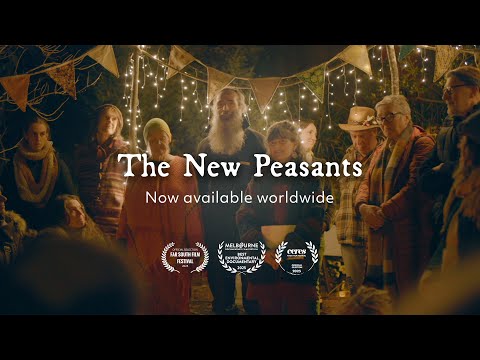
PermaNews Brief
Key Takeaways
Individuals are leaving urban careers to embrace farming, seeking self-sufficiency and a nature-connected lifestyle.
- New film explores challenges and rewards of rural living.
- Farmers prioritize sustainable and regenerative practices.
- Resilience is key to overcoming agricultural setbacks.
- Community support vital for knowledge and mutual aid.
- Movement revitalizes rural areas and local food systems.
Why It Matters
The increasing trend of urban-to-rural migration for farming impacts local economies, food systems, and environmental practices, offering models for sustainable living.
What to Do Next
Watch "The New Peasants" documentary to understand the motivations and practicalities of this lifestyle shift.
Recommended for: Anyone interested in career changes, sustainable living, rural revitalization, or the challenges and rewards of starting a farm.
A new documentary film, "The New Peasants," is now accessible globally, exploring the motivations and experiences of individuals who have chosen to leave urban environments and conventional careers to pursue a life rooted in farming and rural living. The film delves into the challenges and rewards of this significant lifestyle shift, highlighting the diverse reasons behind such decisions and the practicalities involved in establishing a new existence centered on the land.
The documentary features several individuals and families who have embraced this path, showcasing their journeys from various professional backgrounds to becoming farmers. It examines the initial hurdles they faced, such as acquiring land, learning agricultural techniques, and adapting to the physical demands of farm work. The film illustrates how these "new peasants" often bring a unique perspective to farming, frequently integrating sustainable and regenerative practices into their operations. They are depicted as individuals driven by a desire for greater self-sufficiency, a closer connection to nature, and a more meaningful way of life, often expressing disillusionment with the fast-paced, consumer-driven culture of modern cities.
A significant theme explored is the concept of resilience. The film portrays the determination required to overcome setbacks, whether they are related to unpredictable weather patterns, crop failures, or the financial pressures inherent in starting a new agricultural enterprise. It emphasizes the importance of community and collaboration, showing how these new farmers often rely on networks of like-minded individuals for support, knowledge sharing, and mutual aid. This aspect underscores the social dimension of the movement, where individuals are not just seeking personal fulfillment but also contributing to the revitalization of rural areas and the development of more localized food systems.
The documentary also touches upon the economic realities of this lifestyle. While the romantic ideal of farming is often present, the film does not shy away from the financial challenges. It explores various models of sustainable agriculture, from small-scale market gardening to more diversified farm operations, and discusses the strategies these individuals employ to make their ventures economically viable. This includes direct-to-consumer sales, community-supported agriculture (CSA) programs, and value-added products, all aimed at creating a stable income stream while adhering to their ethical and environmental principles.
Furthermore, "The New Peasants" examines the broader societal implications of this trend. It suggests that the movement represents a growing awareness of environmental issues, food security concerns, and the desire for a more balanced existence. By showcasing individuals who are actively working to produce food in an ecological manner, the film implicitly advocates for a shift towards more sustainable food systems and a re-evaluation of societal values. It presents a compelling narrative of individuals reclaiming agency over their lives and their food, offering an inspiring look at an alternative way of living that prioritizes ecological health and personal well-being. The global availability of the documentary allows a wider audience to engage with these themes and consider the potential for similar transformations in their own contexts.
Source: youtube.com
Related Analysis
- Regenerative Farmers Flip Cover Crop Logic From Compliance to Profit — Practitioner accounts and a new meta-analysis suggest cover cropping is being reframed from conservation practice to pro…
- Farmers Convert Six Weeks of Rhubarb Into 25-Year Supply — Initial signals suggest a rhubarb preservation technique can extend a brief seasonal harvest into 25 years of storage—a …
Related on PermaNews
- Autarke Energie: Solar & Wind für 8.500 kWh Überschuss (Case Study)
- Build a Backup Off-Grid Water System (How-To Guide)
- Autark in Bayern: 5kWp Solar, Wind, 20kWh Speicher – Der Off-Grid-Bericht (Case Study)
- DIY Off-Grid Greywater: Murray's Tiny House Micro-Wetland (How-To Guide)
- BUSINESS ENERGY RISK & OPPORTUNITY (Article)
- Autark im Schwarzwald: 8-kW-Inselnetz mit Wind & Solar optimiert (Article)
Explore more in Food Systems & Growing — the full hub for this knowledge area.