PAYS Fruit Tree Program: Carbon Farming & Pollinator Aid
By Permaculture Institute of North America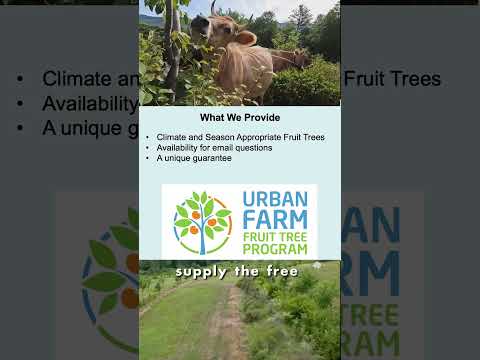
PermaNews Brief
Key Takeaways
A new program in North America incentivizes planting and maintaining fruit trees to boost local food security and ecological health.
- New program pays participants to plant fruit trees.
- Focuses on long-term tree care and community engagement.
- Provides saplings, training, and educational resources.
- Emphasizes sustainable and permaculture practices.
- Aims to remove financial barriers to horticulture.
Why It Matters
This initiative could significantly increase local food production and enhance biodiversity by making fruit tree cultivation more accessible and rewarding for communities.
What to Do Next
Explore local programs or initiatives that offer similar support for planting fruit trees in your area.
Recommended for: Individuals and communities interested in establishing and maintaining fruit trees for long-term food security and environmental benefits.
A unique initiative is underway that offers a novel approach to fruit tree cultivation and community engagement. This program, spearheaded by the Permaculture Institute of North America, centers on a "Fruit Tree Program That PAYS," designed to incentivize the planting and care of fruit trees while fostering local food security and ecological benefits.
The core concept of the program revolves around a system where participants are compensated for their efforts in establishing and maintaining fruit trees. This compensation is not merely a one-time payment but is structured to provide ongoing support, recognizing the long-term commitment required for successful fruit tree growth. The program aims to remove financial barriers that might otherwise deter individuals or communities from investing in fruit orchards.
Participants in the program receive comprehensive support, beginning with access to high-quality fruit tree saplings suitable for their local climate and soil conditions. This selection process is crucial to ensure the trees have the best chance of thriving and producing abundant harvests. Beyond the initial planting, the program provides educational resources and practical training on various aspects of fruit tree care. This includes guidance on proper planting techniques, watering schedules, pest and disease management using organic and permaculture principles, pruning for optimal yield, and harvesting methods. The emphasis is on sustainable practices that enhance the health of the trees and the surrounding ecosystem.
A significant aspect of the program is its focus on community building and knowledge sharing. Participants are encouraged to connect with each other, forming a network of growers who can share experiences, offer advice, and collaborate on larger projects. Workshops and field days are organized to facilitate hands-on learning and foster a sense of collective responsibility for the local food landscape. This collaborative approach not only strengthens individual skills but also builds a more resilient and interconnected community.
The "PAYS" aspect of the program is multifaceted. It involves direct financial compensation for planting and maintaining trees, potentially based on factors like the number of trees planted, their survival rate, and their productive output. However, the "PAYS" also extends to the broader benefits reaped by the community. These include increased access to fresh, locally grown fruit, which contributes to improved nutrition and food sovereignty. The program also generates ecological dividends, such as enhanced biodiversity, improved soil health, carbon sequestration, and the creation of valuable habitat for pollinators and other wildlife.
The Permaculture Institute of North America envisions this program as a scalable model that can be adapted to various geographical and socio-economic contexts. By demonstrating the economic viability and ecological benefits of fruit tree cultivation, they hope to inspire similar initiatives in other regions. The long-term goal is to create a distributed network of fruit-producing landscapes that contribute to a more sustainable and food-secure future. This approach aligns with permaculture principles of working with nature, creating self-sustaining systems, and meeting human needs while enhancing ecological well-being. The program represents a practical application of these principles, turning the act of planting a tree into a mutually beneficial endeavor for individuals, communities, and the environment.
Source: youtube.com
Related Analysis
- Food Forest Courses Shift From Theory to Build-Ready Skills — Several food forest courses now open with site assessment and guild-building rather than design theory, suggesting a dev…
- Practitioners Build Silvopasture Playbook Before Researchers Catch Up — A small but consistent set of signals from the Northeast U.S. shows farmers actively piloting silvopasture while formal …
Related on PermaNews
- Ernst Götsch's Cacao Syntropy: Master Agroforestry Now (How-To Guide)
- Finnish Off-Grid: Rocket Mass Heater Performance in Greenhouse (Case Study)
- Berlins schwimmende Gärten: Permakultur auf dem Wasser (Case Study)
- Rodale Report 2025: Thermal Mass Boost in Solar Greenhouses (Case Study)
- AUTarcaMatricultura La Palma: Permakultur & Energieautarkie (How-To Guide)
- Earthaven Ecovillage: 30 Years Off-Grid with Hydro & Solar (Video)
Explore more in Food Systems & Growing — the full hub for this knowledge area.